Home
Home
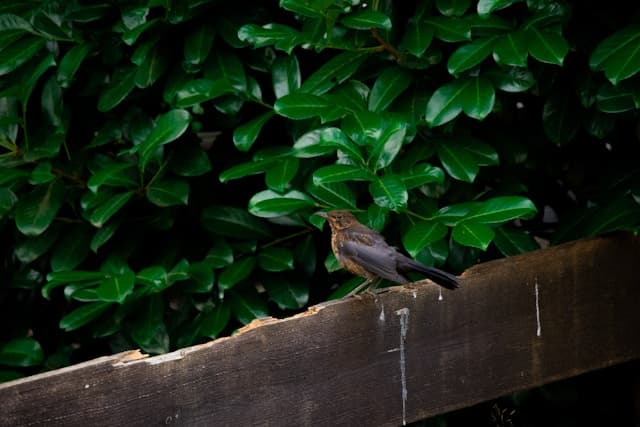
What Does It Mean When a Bird Poops on You? When a bird poops on you, many cultures consider it a sign of good luck, despite the inconvenience.
This superstition suggests that being pooped on by a bird brings unexpected fortune, a belief that has roots in various traditions worldwide.
However, from a practical standpoint, bird droppings are simply a part of nature, with no deeper meaning beyond the randomness of being in the wrong place at the right time.
Superstitions Surrounding Birds and Luck
Birds have long held a place in human culture and folklore, giving rise to various superstitions about their behaviors.
One common belief is that being pooped on by a bird is a sign of good luck and fortune, a notion that has persisted across many cultures.
This superstition arises from the infrequency of such incidents, leading people to view them as harbingers of positive outcomes.
The idea of unexpected fortune plays a role here, as being pooped on is seen as a rare event that might signal forthcoming luck.
Additionally, birds are often regarded as symbols of freedom and spiritual guidance, further reinforcing the positive interpretation of this unusual occurrence.
According to BirdLife International, many cultures see birds as harbingers of messages, both good and bad, which may contribute to the belief in their droppings as a sign of luck.
The Origins of the Belief
The origins of the superstition surrounding bird droppings are not clearly documented, yet similar beliefs can be found in countries like Russia, Turkey, and various Mediterranean regions, where it is often seen as a positive omen.
In these cultures, the randomness of such an occurrence is believed to enhance its luckiness, with some linking it to the idea that fortune and wealth can “fall from the sky” in the form of bird droppings.
This belief suggests that unexpected events, however unpleasant, can lead to positive outcomes.
While many people embrace this superstition as a sign of good luck, others simply regard it as a humorous or bothersome incident, attaching no significant meaning to it.
Ultimately, these varied interpretations reflect the diverse ways cultures can assign meaning to everyday occurrences.
According to Dr. David Steen, a wildlife ecologist, notes that “animals often carry cultural significance that varies greatly depending on the society. Birds, in particular, have long been seen as symbolic creatures, and their interactions with humans—like the chance encounter of droppings—are often viewed through a superstitious lens.”
The Scientific Side: Why Do Birds Poop So Often?
From a biological perspective, bird droppings are not a symbol of luck but a natural behavior related to their digestive system. Birds have a high metabolic rate, which means they process food quickly and expel waste frequently. Here’s a closer look at why this happens:
Bird Digestion and Metabolism
Birds have a rapid digestive process, which allows them to maintain the energy needed for flying. Unlike mammals, birds don’t store large amounts of waste in their bodies, which helps keep them light and agile for flight.
- Fast metabolism: The fast metabolism means that birds digest and expel food much faster than many other animals, leading to frequent droppings.
- Flight adaptation: This adaptation is essential for flying creatures, as carrying excess weight would make it harder to stay airborne.
According to an article by National Geographic, birds expel waste frequently as part of their evolved efficiency for flight, allowing them to remain light and agile in the air.
For more about bird physiology, check out guide to bird anatomy and behavior Wikipedia.
Why Birds Poop on Cars, People, and Statues
Birds are not selective about where they relieve themselves; it often happens as they are perched or flying. The placement of bird droppings is entirely random and often depends on where the bird feels comfortable or safe at the moment.
- Perching spots: Birds often choose perches like branches, wires, or rooftops, where they can spot food or predators. If a person happens to walk beneath their perch, they might get hit by a dropping.
- Behavioral patterns: Birds that frequent urban areas or parks may be more likely to drop waste on cars or people simply due to the density of human presence in those areas.
For more on understanding bird behaviors in urban settings, see our urban wildlife guide.
Dealing with Bird Droppings: Practical Tips

Regardless of your beliefs about the luck associated with bird droppings, it’s important to clean them up promptly.
Here are some practical steps for removing bird poop from clothes, cars, or skin.
For clothes, act quickly since the acidity in bird droppings can cause stains.
Start by rinsing the area with cold water to prevent the stain from setting, then apply a mild detergent or stain remover and wash according to the care label instructions.
When it comes to cars, bird droppings can damage the paint if left too long.
To clean it safely, use a gentle car-safe cleaner or a mix of water and vinegar on the affected spot.
Be sure to wipe gently with a soft cloth, moving in a circular motion to avoid scratching the paint.
Conclusion
When a bird poops on you, the meaning varies depending on cultural beliefs and superstitions.
While many consider it a sign of good luck and fortune, the event is actually just a random occurrence tied to the bird’s natural behavior.
Whether you embrace the superstition or not, it’s always a good idea to have a cleaning strategy ready if you become a target of a bird’s aim.
Frequently Asked Questions
1. Is it really good luck if a bird poops on you?
According to some cultural superstitions, a bird pooping on you is considered a sign of good luck or impending fortune. However, the belief is more folklore than fact.
2. Can bird droppings be harmful?
Yes, bird droppings can contain bacteria and fungi that may pose health risks, especially if inhaled in large quantities. It’s important to clean up bird droppings promptly and wash your hands afterward.
3. What should I do if a bird poops on me?
If a bird poops on you, clean the area as soon as possible using soap and water. If the droppings get on your clothes, rinse them with cold water and treat the stain with a mild detergent.