Home
Home
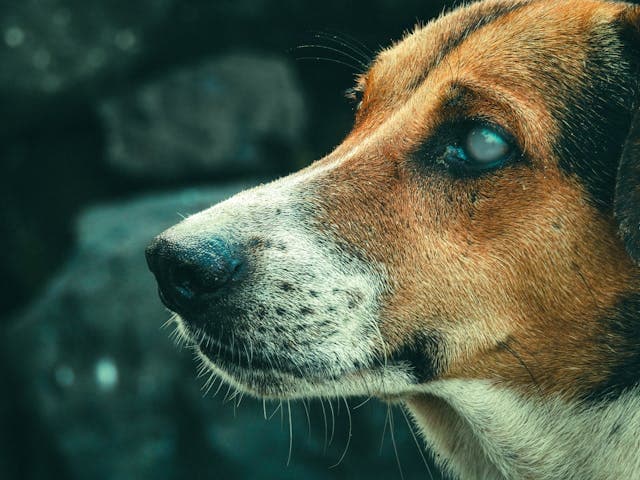
What Causes Cataracts Them to Grow? Puppy cataracts are often caused by genetics, injury, or certain diseases that affect the lens of the eye, leading to cloudiness and impaired vision.
Cataracts in puppies can start small and grow over time, leading to progressive vision loss if not treated.
While cataracts are typically associated with aging dogs, they can also affect young puppies due to various underlying causes like heredity or trauma.
Let’s explore in-depth what causes puppy cataracts to grow, how to spot the signs, and what treatment options are available.
What Causes Puppy Cataracts?
Several factors contribute to cataract formation in puppies. From genetic predispositions to metabolic diseases, here are some of the primary causes:
- Genetics and Hereditary Factors: The most common cause of cataracts in puppies is genetics. Certain breeds are genetically predisposed to develop cataracts early in life, a condition often referred to as juvenile cataracts. Breeds such as Cocker Spaniels, Golden Retrievers, and Siberian Huskies are more likely to inherit cataracts due to specific genetic mutations. For instance, in breeds like Boston Terriers, congenital cataracts might appear within the first few months of life, requiring early intervention. Genetic screening is recommended for breeders to reduce the transmission of these traits.
- Injury or Trauma: Cataracts can develop following injuries to the eye, such as a scratch or blunt trauma. Injuries may cause inflammation in the eye, disrupting the normal function of the lens and leading to cataract formation. It’s important to seek immediate veterinary care if your puppy suffers an eye injury, as untreated trauma can accelerate cataract growth.
- Metabolic Diseases: Diseases like diabetes mellitus can also cause cataracts in puppies. Diabetes affects how sugar is processed in the body, leading to an excess of glucose in the lens of the eye, which can cause it to become cloudy. Diabetic cataracts tend to grow rapidly and may result in blindness if the underlying condition is not properly managed. Regular blood sugar monitoring and maintaining a balanced diet are essential for puppies diagnosed with diabetes to slow the progression of cataracts.
- Nutritional Deficiencies: While rare, nutritional imbalances can lead to cataract formation. Puppies need a diet rich in essential vitamins, minerals, and antioxidants to support healthy eye development. Deficiencies in antioxidants like vitamin E or zinc can contribute to oxidative stress in the lens, leading to cataract growth. Ensuring your puppy receives high-quality, balanced nutrition is critical in preventing eye and other health issues.
- Congenital Cataracts: Some puppies are born with congenital cataracts, meaning the condition is present from birth. This can be due to genetic abnormalities or developmental issues during gestation. These cataracts may grow over time or remain stable, but early diagnosis is key to managing the condition effectively.
How Puppy Cataracts Progress
Puppy cataracts typically begin as small, cloudy spots in the lens of the eye and gradually grow. Over time, these cloudy areas can increase in size, reducing the amount of light that reaches the retina and impairing vision. The rate at which cataracts grow depends on the underlying cause.
Veterinary ophthalmologist Dr. Rebecca McLain explains, “Cataracts caused by metabolic diseases like diabetes tend to progress more rapidly, while hereditary cataracts may grow slowly over several years.”
Stages of Cataract Growth:
- Early Stage: Small cloudy spots appear on the lens, with minimal vision impact.
- Intermediate Stage: The cloudiness increases, leading to noticeable vision problems.
- Advanced Stage: Cataracts cover most of the lens, significantly impairing vision or causing blindness.
For more information about dogs eyes, visit our related article what colors can dog see.
Symptoms of Puppy Cataracts
Recognizing the early signs of cataracts in puppies is crucial for timely treatment.
Typical symptoms include a noticeable cloudiness or haziness in the eyes, which can affect their ability to see clearly.
Puppies with cataracts might also bump into furniture or walls and become hesitant to navigate new environments.
You may notice them squinting or showing signs of eye discomfort.
Behavioral changes, such as being cautious or confused in dimly lit areas, can also indicate vision impairment.
If any of these symptoms are present, it’s important to consult your veterinarian for a thorough eye examination to determine the best course of action.
Treatment for Puppy Cataracts
The most effective treatment for cataracts is surgery, especially if they interfere with your puppy’s vision.
The surgical procedure, known as phacoemulsification, involves removing the cloudy lens and replacing it with an artificial lens to restore clear vision.
In some cases, puppies with small, non-progressive cataracts may not require surgery. Instead, regular monitoring and managing underlying health conditions, like diabetes, can help slow the growth of cataracts.
According to Dr. Kristina Vygantas, a board-certified veterinary ophthalmologist, “Surgery is highly effective in restoring vision in dogs with cataracts, with a success rate of over 90% when performed early. However, it’s important to work closely with your vet to determine the right time for surgery, as each case varies.”
Cataract Treatments and Prevention Tips to Help Your Dog Maintain Vision

While genetic cataracts cannot be fully prevented, there are steps you can take to minimize the risk of cataracts or slow their progression in your puppy:
- Regular Eye Check-ups: Schedule routine eye exams with your vet, especially if your puppy is a breed predisposed to cataracts.
- Proper Nutrition: Provide a diet rich in vitamins and antioxidants to support overall eye health.
- Injury Prevention: Take steps to avoid eye injuries during playtime and training.
- Manage Health Conditions: If your puppy has a condition like diabetes, carefully manage their treatment plan to avoid complications.
For more information on canine eye diseases and cataracts, visit this article on Wikipedia and explore additional resources for managing your dog’s vision health.
FAQs
1. Can cataracts in puppies go away on their own?
No, cataracts do not go away on their own. Once they develop, cataracts can only be treated surgically to restore vision.
2. How early can puppies develop cataracts?
Puppies can develop congenital or juvenile cataracts within the first few months of life, particularly if they have a genetic predisposition.
3. Is surgery the only option for cataracts in puppies?
Surgery is the most effective treatment for advanced cataracts. However, small, non-progressive cataracts may only require monitoring rather than immediate surgery.
4. Can cataracts cause blindness in puppies?
Yes, if left untreated, cataracts can grow and eventually cause blindness by blocking light from reaching the retina.
5. Are there any non-surgical treatments for cataracts?
There are no proven non-surgical treatments to reverse cataracts, but managing underlying health conditions can slow their growth in some cases.