Home
Home
Not Every Dog Is a Natural Swimmer
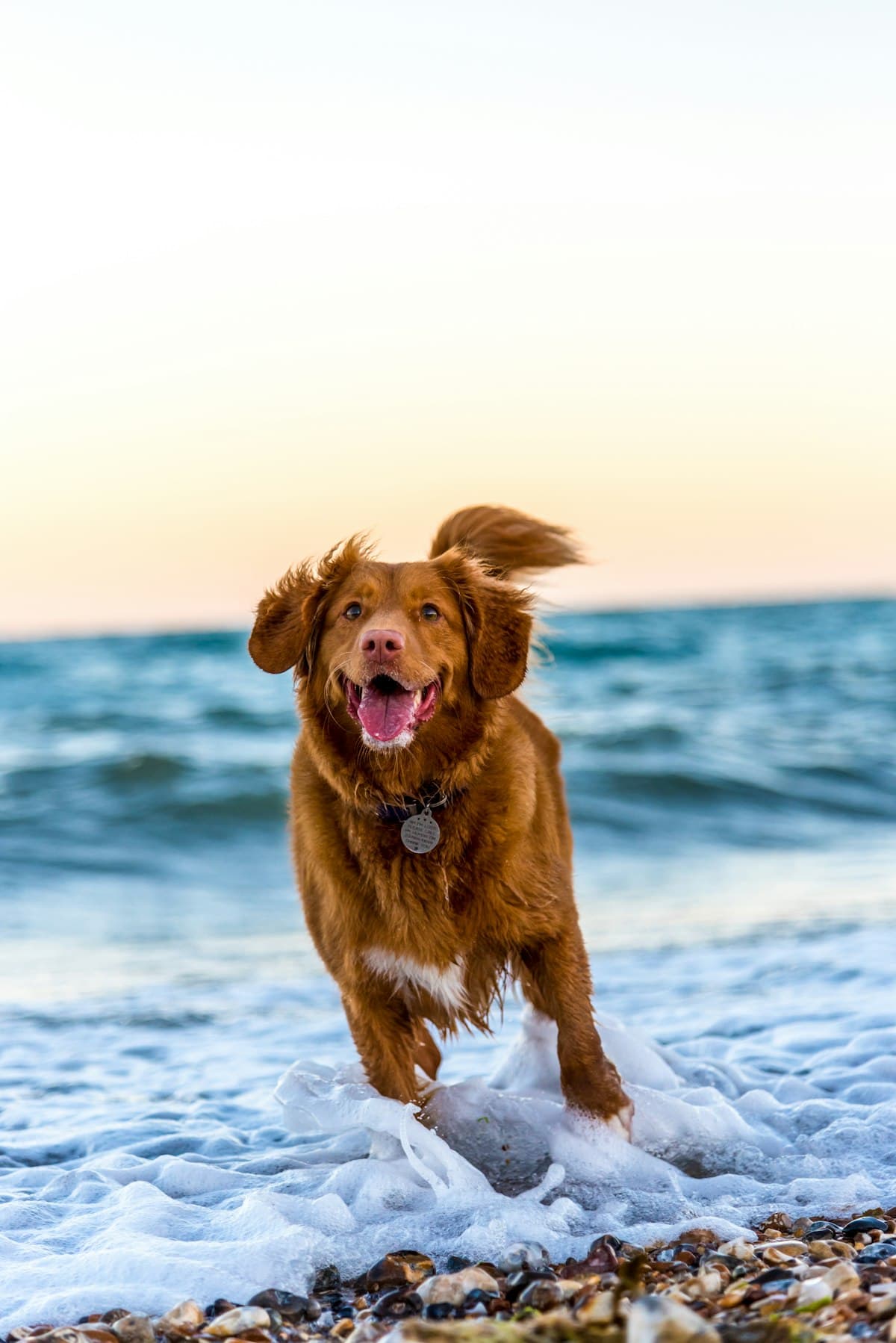
The image of a dog leaping joyfully into a lake is so iconic that many owners assume all dogs can swim instinctively. The truth is more nuanced: while most dogs will paddle if placed in water, not all dogs can swim effectively, and some breeds are physically incapable of staying afloat without assistance. Understanding your specific dog’s swimming ability before their first water experience can prevent a dangerous situation.
Breeds with deep chests, short legs, heavy bone structure, or flat faces face the biggest challenges. Bulldogs (English and French), Dachshunds, Corgis, Basset Hounds, and Pugs have body proportions that make efficient swimming difficult or impossible. Brachycephalic breeds (flat-faced) face the added danger of water entering their airways more easily due to their shortened muzzle anatomy.
On the other end of the spectrum, breeds developed for water work — Labrador Retrievers, Golden Retrievers, Portuguese Water Dogs, Standard Poodles, Irish Water Spaniels, and Newfoundlands — often take to water naturally and swim with impressive endurance. But even water-bred dogs benefit from a proper introduction rather than being thrown into the deep end.

The Gradual Introduction Method
Start in shallow, calm water — a gently sloping lake shore, a shallow creek, or even a kiddie pool in your backyard. Walk into the water yourself first and encourage your dog to follow. Let them wade at their own pace, feeling the bottom under their feet. Many dogs are perfectly happy splashing in belly-deep water and never need to go deeper.
When they’re comfortable wading, move to slightly deeper water where their feet can still touch but they need to paddle occasionally. Support them under the belly with your hand or arm — this prevents the common beginner mistake of paddling only with the front legs while the back end sinks, which exhausts dogs quickly and creates a panicked, vertical swimming position.
Practice for short sessions — 5 to 10 minutes — and end while your dog is still having fun. Forced or prolonged first experiences create water aversion that’s difficult to reverse. If your dog shows fear (tail tucked, trying to climb on you, whale eyes), back up to shallower water and try again another day. Building a strong exercise routine that includes swimming follows the same principles as keeping your dog healthy through simple daily habits.
Essential Water Safety Equipment
A canine life jacket is the single most important piece of swimming safety equipment, especially for beginners, small dogs, senior dogs, and breeds with challenging body proportions. Look for a jacket with a handle on the back (for lifting your dog out of water quickly), bright colors for visibility, and a secure fit that doesn’t restrict leg movement. The Ruffwear Float Coat and Outward Hound Granby Splash are consistently top-rated options.
Even strong swimmers should wear life jackets in open water with currents, waves, or cold temperatures. Fatigue sets in faster than owners expect — a dog swimming enthusiastically for 15 minutes can suddenly exhaust themselves and be unable to make it back to shore. The life jacket provides buoyancy that prevents drowning during those critical moments of fatigue.

Pool Safety for Dogs
If your dog will be swimming in a pool, teach them where the exit is before letting them swim freely. Walk them to the steps or ramp multiple times from different positions in the pool. A dog who can swim but can’t find the exit will exhaust themselves swimming along the walls — this is how pool drownings happen even in dogs who are good swimmers.
Install a pool alarm that detects surface disturbance. Never leave a dog unsupervised near an uncovered pool, even if they’re a strong swimmer. After pool swimming, rinse your dog thoroughly — chlorine and pool chemicals dry out skin and coat, and prolonged exposure can cause irritation. Fresh water rinsing after any swimming session (pool, lake, or ocean) prevents skin issues and removes bacteria, algae, or salt.
Breed-Specific Considerations
For brachycephalic breeds (Bulldogs, Pugs, Boston Terriers): a life jacket isn’t optional, it’s mandatory. These dogs should never swim without one, and their water time should be limited to wading and supervised shallow play. Even with a life jacket, they fatigue more quickly than other breeds because their compromised airways make the physical effort of swimming especially demanding.
For deep-chested, long-backed breeds (Dachshunds, Corgis, Basset Hounds): a life jacket with extra buoyancy support under the chest helps maintain a horizontal swimming position. Short swimming sessions with plenty of rest breaks prevent exhaustion.
For senior dogs and dogs with arthritis: swimming is actually therapeutic — the buoyancy reduces joint stress while providing excellent low-impact exercise. Keep sessions short, provide a life jacket for safety, and ensure easy water access (ramps, gently sloping entry) so they can get in and out independently.
When to Stay Out of the Water
Blue-green algae (cyanobacteria) blooms in warm, stagnant water can be fatal to dogs within hours. If water looks unusually green, has visible scum or foam, or smells musty, keep your dog out. Strong currents, cold water (which causes rapid fatigue and hypothermia), and water with visible debris or pollution are also no-go zones. Trust your instincts — if the water doesn’t look or feel right for you, it’s not right for your dog either.