Home
Home
What Do Dog Ear Mites Look Like? Dog ear mites are tiny, parasitic insects that appear as small, white or off-white dots, resembling specks of dust or dandruff inside the dog’s ear canal, often surrounded by dark, coffee ground-like debris.
Identifying ear mites early is crucial for ensuring proper treatment and preventing further discomfort or complications for your dog.
Understanding Dog Ear Mites
Ear mites, scientifically known as Otodectes cynotis, are a common type of parasite that infests the ear canals of dogs and other animals.
They are highly contagious and can spread between pets quickly, making it important to recognize their presence early.
Dog ear mites are tiny, often less than 1 millimeter in size, making them hard to spot without a magnifying glass. While they appear as small, moving white specks, they are more easily identified by the symptoms they cause.
A key sign of an infestation is dark, crumbly debris in the dog’s ear, resembling coffee grounds. Under a microscope, ear mites resemble crab-like insects with legs.
According to VCA Animal Hospitals, ear mites are a common cause of ear infections in pets, and their presence is often accompanied by dark, waxy debris in the ear canal.
Learn more about the life cycle and behavior of ear mites in the Wikipedia article on Otodectes cynotis.
For more information on identifying ear problems and preventive care, visit our detailed articles about Why Is My Dog Shaking?
Symptoms of Ear Mite Infestation in Dogs
Dogs with ear mites will often show symptoms due to the irritation and discomfort caused by the mites’ activity within the ear canal.
- Excessive scratching: Dogs may scratch at their ears or shake their heads frequently.
- Redness and inflammation: The ear canal may become red and swollen due to constant irritation.
- Discharge: A dark, waxy discharge resembling coffee grounds is a telltale sign of ear mites. This is a mixture of ear wax, blood, and mite waste.
- Foul odor: An unpleasant smell can sometimes accompany the discharge, indicating a secondary infection.
Dr. Sarah Mitchell, a veterinary dermatologist, explains, “Ear mites cause intense itching and irritation in dogs, often leading to scratching that can result in secondary infections if left untreated. Early diagnosis is key to a smooth recovery.”
How Do Dogs Get Ear Mites?
Dogs typically contract ear mites through direct contact with infected animals, especially in settings like kennels, groomers, or households with multiple pets where close interactions are common.
These mites are highly contagious and can also survive for a short time in the environment, allowing them to spread through shared bedding or toys.
Puppies and younger dogs are particularly susceptible, but any dog that frequently interacts with other animals is at risk.
Ear mites can easily transfer during play or socializing, making it essential for owners to regularly check their dogs for signs of infestation, such as excessive scratching or dark debris in the ears.
Regular grooming and vet check-ups can help prevent and identify these issues early.
ASPCA emphasizes that ear mites are a common issue in pets that live in close quarters with others and that regular ear checks are crucial for early detection.
How to Diagnose Ear Mites in Dogs
Although symptoms may suggest ear mites, a veterinarian should confirm the diagnosis for accurate treatment.
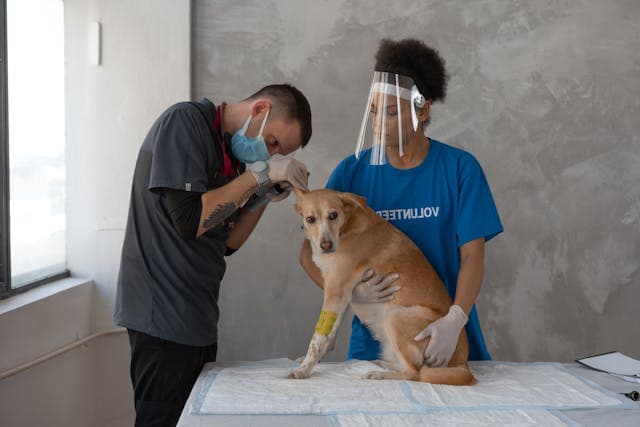
Vets use specialized tools, like an otoscope, to examine the ear canal and identify mites, or they may take a sample of ear debris for microscopic examination to confirm their presence.
Since ear mites are tiny and live deep in the ear canal, it can be difficult for owners to detect them on their own.
Therefore, if your dog shows signs of ear irritation, it’s crucial to consult a vet to rule out other possible causes, such as bacterial or yeast infections, and ensure proper care.
Learn more about veterinary procedures related to ear health in the Wikipedia article on otoscopy.
Treatment Options for Dog Ear Mites
Treating ear mites involves cleaning the ears and using medication to kill the mites and soothe irritation. Here’s a step-by-step approach:
Cleaning the Ears
Before applying medication, it’s important to clean out the debris from the ears. A vet may perform this or provide guidance on how to do it at home.
- Ear cleaning solutions: Use a vet-approved ear cleaner to remove waxy buildup. Avoid using cotton swabs, as they can push debris further into the ear canal.
Medications
Topical or systemic medications are available to eliminate ear mites effectively.
- Topical drops: These are applied directly into the ear canal to kill mites and reduce inflammation.
- Systemic treatments: In some cases, a vet might recommend oral or injectable medication to treat severe infestations.
Dr. Laura Green, a veterinarian, notes, “Ear mites are relatively easy to treat if caught early, but consistent follow-up care is essential to ensure all mites are eliminated and to prevent reinfestation.”
PetMD provides a detailed overview of ear mite treatments and how to care for your pet during recovery.
For more details on treatments, visit our guide to clean a dogs ears.
Preventing Ear Mite Infestations

Preventing ear mites is simpler than treating them, particularly in households with multiple pets.
Regularly check your dog’s ears for signs of discharge, redness, or frequent scratching.
Keep living areas clean by routinely washing bedding, grooming tools, and other spaces where your dog spends time to prevent mite spread.
If one pet is diagnosed with ear mites, it’s important to isolate them during treatment to prevent the mites from spreading to other animals in the household.
Conclusion
Dog ear mites are tiny, white parasites that are often detected through the presence of dark, coffee ground-like debris in the ear canal, along with symptoms like scratching, redness, and inflammation.
Early identification and treatment are crucial to prevent discomfort and potential complications in your pet.
If you suspect ear mites, consult a veterinarian for an accurate diagnosis and treatment plan.
FAQs
1. Can ear mites spread to humans?
Ear mites primarily affect animals and are not typically a risk to humans. However, they can cause mild irritation if they come into contact with human skin.
2. How long does it take to treat ear mites?
With proper medication, ear mite infestations can clear up within 7 to 10 days, but it is important to follow through with all treatments to ensure complete eradication.
3. Are ear mites common in puppies?
Yes, ear mites are particularly common in puppies due to their immature immune systems and close contact with other animals. Regular vet visits can help prevent severe infestations.