Home
Home
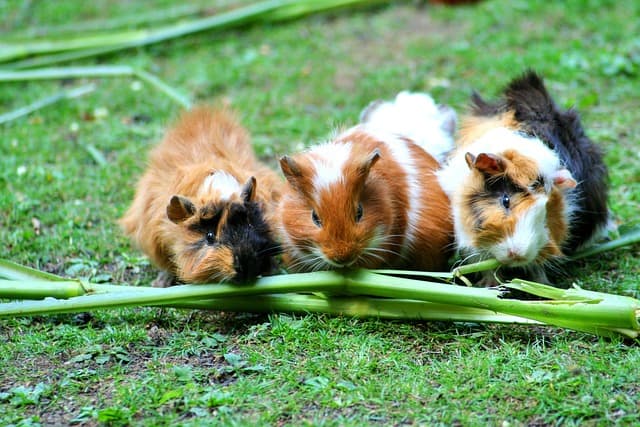
What Do Guinea Pigs Eat? Guinea pigs primarily eat hay, fresh vegetables, and specially formulated guinea pig pellets, but their diet should also include a source of Vitamin C to support their health.
Feeding your guinea pigs a balanced diet is essential for their well-being, and understanding what they should and shouldn’t eat helps ensure they live a healthy life.
Key Components of a Guinea Pig’s Diet
Guinea pigs have specific dietary needs that revolve around high-fiber foods, fresh produce, and essential nutrients, particularly Vitamin C, as their bodies cannot produce this vitamin on their own. Here’s a breakdown of the main foods that should be part of their diet.
Hay: The Staple Food
Hay should make up the bulk of a guinea pig’s diet, providing the necessary fiber to support their digestive health and help wear down their constantly growing teeth. The best hay for guinea pigs is timothy hay, though other types like orchard grass or meadow hay can also be used.
- Timothy hay: High in fiber, this is the best option for daily feeding, as it supports both digestion and dental health.
- Alfalfa hay: While alfalfa hay is rich in calcium and protein, it should only be offered occasionally to adult guinea pigs, as too much calcium can lead to bladder stones. It is suitable for young, growing guinea pigs or pregnant females.
Learn more about guinea pigs and their diet on Wikipedia.
Fresh Vegetables
In addition to hay, fresh vegetables provide essential vitamins and nutrients. A variety of vegetables should be offered daily to ensure a balanced diet.
- Leafy greens: Vegetables like romaine lettuce, kale, and spinach are great sources of vitamins and minerals. Avoid iceberg lettuce, as it offers little nutritional value.
- Bell peppers: These are an excellent source of Vitamin C, which is crucial for guinea pigs since they cannot synthesize this vitamin on their own.
- Carrots and cucumbers: While these can be given occasionally, they should not be a daily staple as they contain higher sugar content.
Always wash vegetables thoroughly before feeding them to your guinea pigs to remove any pesticides.
For a full list of safe vegetables, check out our vegetable guide for guinea pigs.
Pellets: Nutrient-Packed Food
Guinea pig pellets are specially formulated to provide additional nutrients that might not be covered by hay and vegetables. Choose pellets that are enriched with Vitamin C and free from seeds, nuts, or dried fruit, as these can be harmful or offer little nutritional value.
Vitamin C Supplementation
Since guinea pigs cannot produce Vitamin C naturally, it’s important to ensure they are getting enough through their diet. Fresh vegetables like bell peppers, parsley, and kale are great sources, but you can also provide a Vitamin C supplement if needed.
A detailed article from Guinea Lynx emphasizes the importance of Vitamin C in preventing scurvy, a common health issue caused by Vitamin C deficiency in guinea pigs.
Foods to Avoid for Guinea Pigs

When feeding guinea pigs, it’s important to avoid certain foods that can cause health issues.
High-calcium foods like alfalfa hay and spinach should be limited in adult guinea pigs to prevent bladder stones.
Sugary fruits, such as apples, bananas, and grapes, should be given sparingly as they can lead to digestive problems and weight gain.
Additionally, toxic foods like chocolate, onions, and garlic must be avoided entirely as they can harm guinea pigs. Iceberg lettuce, though not toxic, has little nutritional value and may cause diarrhea due to its high water content.
Hydration: Fresh Water Is Essential
Hydration is just as important as a healthy diet for guinea pigs. Always ensure they have access to fresh, clean water at all times.
Using a water bottle is typically better than a bowl, as it helps prevent contamination from food, bedding, or droppings, keeping the water cleaner for longer. It’s important to check and refill the bottle daily, replacing the water to make sure it stays fresh and appealing.
Proper hydration supports their overall health, aiding in digestion and helping to prevent urinary tract issues. Make sure to clean the water bottle regularly to avoid bacteria buildup.
Conclusion
Guinea pigs need a balanced diet that includes hay, fresh vegetables, and pellets, along with a reliable source of Vitamin C.
Their diet should mainly consist of high-fiber foods like timothy hay, supplemented with a variety of vegetables and a small portion of guinea pig-specific pellets.
Avoid high-sugar fruits, toxic foods, and foods that are high in calcium. With the right care and nutrition, your guinea pig will lead a healthy and happy life.
FAQs
Guinea pigs can eat fruits like apples, strawberries, and oranges, but these should be given in moderation due to their high sugar content.
The bulk of their diet should be unlimited hay, which is essential for digestion and dental health.
While guinea pigs can drink from a bowl, using a water bottle is preferable to keep their water clean and free from contamination.
Be sure to change the water daily to ensure they stay properly hydrated.