Home
Home
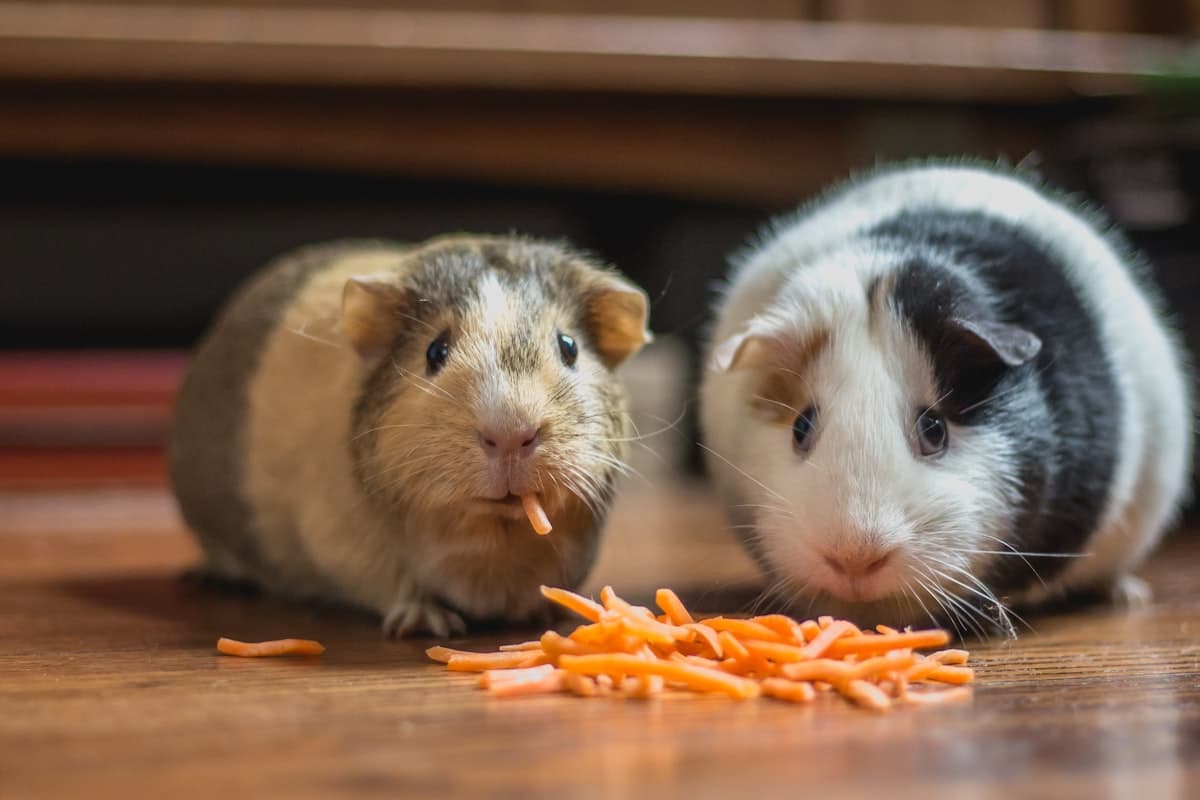
The Short Answer: Yes, and They’ll Probably Love Them
If your guinea pig has been eyeing the strawberries on your kitchen counter with the kind of intense focus that only a devoted herbivore can muster, you’ll be happy to know that strawberries are perfectly safe for guinea pigs. Most guinea pigs absolutely love them — the sweetness and juicy texture make strawberries one of the most popular treats in the guinea pig world.
But like most good things, strawberries come with a “but.” The high sugar content that makes them so appealing to your guinea pig also makes them unsuitable as a daily food. Understanding how much to feed, how often, and how to prepare strawberries properly ensures your guinea pig gets the benefits without the downsides.
Nutritional Benefits of Strawberries for Guinea Pigs
Strawberries offer genuine nutritional value beyond just being delicious. They’re an excellent source of vitamin C — a critical nutrient for guinea pigs because, like humans, they cannot synthesize their own and must get it entirely from their diet. Vitamin C deficiency (scurvy) is one of the most common and most preventable health problems in pet guinea pigs, causing lethargy, rough coat, joint swelling, and bleeding gums.
A single medium strawberry contains about 7 milligrams of vitamin C, which represents roughly 15 to 25 percent of a guinea pig’s daily requirement (30 to 50 mg per day depending on size and health status). Strawberries also provide fiber, antioxidants, folate, and manganese — all beneficial nutrients in appropriate amounts.
That said, strawberries are approximately 5 percent sugar by weight. For an animal that weighs less than 3 pounds and has a digestive system optimized for high-fiber, low-sugar foods (primarily hay and leafy greens), even small amounts of sugar can cause issues if consumed too frequently. Guinea pig diets that lean too heavily toward sweet fruits can lead to obesity, dental problems, and digestive upset. If you’re building a well-rounded diet for your small pet, the same balanced approach we recommend for rabbit treats and snack limits applies to guinea pigs as well.

How Much and How Often to Feed
One small to medium strawberry (or half of a large one) once or twice per week is the recommended serving for an adult guinea pig. This provides a meaningful vitamin C boost and a highly anticipated treat without overloading their system with sugar.
Some guinea pig owners use strawberry as a “special occasion” treat rather than a regular rotation item — reserved for nail trimming sessions (as a reward), medication time (to mask bitter flavors), or simply as an enrichment activity once a week. This approach keeps the treat novel and exciting, which maximizes its value as both nutrition and enrichment.
Preparation: Getting It Right
Wash strawberries thoroughly under running water to remove pesticide residues. Organic strawberries are preferable, but conventional ones are fine when properly washed. Remove the green leafy top (calyx) — while not toxic, it’s fibrous and some guinea pigs find it unpalatable. The leaves of the strawberry plant itself are actually safe and some guinea pigs enjoy them, but store-bought strawberry tops may carry more pesticide residue than the berry.
Cut the strawberry into small pieces — about the size of your guinea pig’s nose. This prevents choking, reduces mess, and lets you control portion size precisely. Serve at room temperature; cold strawberries straight from the fridge can cause mild digestive discomfort.
Remove any uneaten strawberry pieces from the cage after 30 minutes to an hour. Fresh fruit spoils quickly in the warm, humid environment of a guinea pig enclosure, and moldy or fermented fruit can cause serious digestive problems.

Other Fruits Guinea Pigs Can Safely Enjoy
Variety keeps your guinea pig’s diet interesting and provides a broader spectrum of nutrients. Other safe fruits include blueberries (small, antioxidant-rich, easy to portion), small pieces of apple (remove seeds — they contain trace cyanide), orange segments (another excellent vitamin C source), kiwi (very high in vitamin C), seedless watermelon (hydrating but very sugary — small amounts only), and banana (small amounts only — high in sugar and potassium).
Fruits to avoid include grapes and raisins (potentially toxic, and the risk isn’t worth it), citrus in excess (can cause mouth sores from acidity), and any fruit with large seeds or pits that pose a choking hazard. Avocado is toxic to guinea pigs and should never be offered.
The Foundation: Hay First, Treats Second
No matter how much your guinea pig loves strawberries, their diet should be built on an unlimited supply of timothy hay (or orchard grass hay for pigs with timothy allergies), supplemented by a cup of fresh leafy greens daily (romaine, red leaf lettuce, bell peppers, cilantro) and a small amount of high-quality guinea pig pellets. Fruits like strawberries sit at the very top of the dietary pyramid — delightful, beneficial in moderation, but never the foundation. When you have the basics covered and treats properly portioned, you’re looking at a guinea pig who’s both healthy and happy — a combination that comes from building the right health habits from day one.