Home
Home
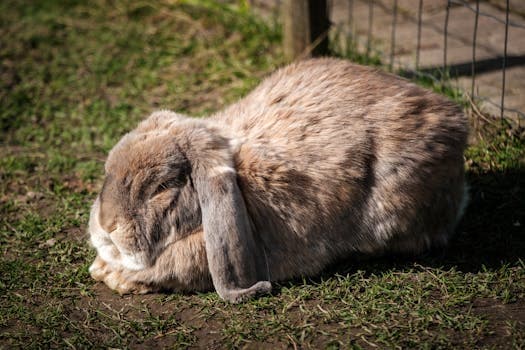
Rabbits naturally nibble and forage, and a well-planned treat routine can support enrichment, dental health, and overall wellbeing. The key is to choose snacks that complement a high-fiber, hay-forward diet and to set clear limits so treats don’t crowd nutritious forage. This guide walks you through practical, evidence-based tips you can apply today.
Why Treats Matter (and Why They Don’t Overwhelm Hay)
Treats should be occasional additions, not dietary staples. Hay provides the fiber that keeps the digestive tract moving and wears down teeth, while fresh greens and safe fruits offer variety, micronutrients, and mental stimulation. A balanced approach helps prevent dental problems, obesity, and digestive upset. If a rabbit’s diet leans too heavily on fruit or starchy snacks, you may see soft stools, gas, or reduced appetite for hay.

Guiding Principles for Safe Treats
- Base everything on hay, then add small amounts of greens and fruits as rewards.
- Offer treats in small portions, usually no more than 1-2 tablespoons per 2-3 kg of body weight per day, and save them for training or enrichment.
- Choose fresh, organic where possible, and wash produce to remove pesticides.
- Avoid processed snacks, high-sugar items, and anything with added salts or artificial ingredients.
- Introduce new treats gradually to monitor tolerance and stomach upset.
Using a thoughtful approach to treats supports digestion, weight, and mental engagement. When in doubt, consult your veterinarian who understands your rabbit’s age, health status, and activity level.
Safe Fruit and Vegetable Treats for Rabbits
Many fruits are fine in small amounts, but some are higher in sugar or may be irritating for sensitive rabbits. Below is a practical list you can reference when planning a week of treats. Remember: variety is good, but moderation is essential.
- Apples (no seeds), small slices
- Blueberries, a few berries
- Strawberries, small piece, occasional
- Banana, tiny sliver, rarely
- Melon, small cube, infrequent
- Carrot tops, a few sprigs
- Bell pepper slices, a couple of small strips
- Romaine or leaf lettuce, occasional leaves
Some items sound tempting but are best avoided or limited. These include grapes, raisins, citrus fruits (in limited amounts and only if your rabbit tolerates them), onion-family vegetables, and any processed snack foods. For a reliable reference on safe fruit choices, you can rely on your veterinarian or trusted rabbit care resources for guidance on safe options.
Leafy Greens: Everyday Treats That Count
Leafy greens are a cornerstone of rabbit nutrition and can function as frequent, low-sugar treats. Aim for a mix of high-fiber greens and rotate varieties to prevent picky eating and nutrient gaps. Options include romaine, curly endive, cilantro, parsley, and dandelion greens. Introduce new greens slowly to watch for gas or diarrhea, then gradually broaden the variety.
Homemade Treat Ideas: Quick, Safe, and Affordable
Home-prepared treats let you control sugar content and ingredients. Here are simple, quick ideas you can make in minutes and portion out for the week.
- Herbed hay bites: Mix chopped herbs (parsley or cilantro) with finely shredded hay, press into a small log, and slice into bite-sized rounds.
- Fruit fruitlets: Combine a tiny cube of apple with a few raspberries on a skewer for a short training session.
- Crunchy greens wand: Roll a few greens into a loose bundle and let your rabbit gnaw through as enrichment.
When making homemade treats, avoid glues, flours, or baking powders. Keep everything raw, fresh, and easy to digest. For additional insight into safe snack choices for exotic pets, consult reliable veterinary resources to understand how dietary considerations differ across species.
Grocery Store Treats: What to Look For
If you buy ready-made treats, read the label closely. Look for options with high fiber, low sugar, and minimal artificial additives. Avoid treats with seeds, nuts, chocolate, or raisins. Choose pellet-based snacks with simple ingredients and avoid any product that lists sugar syrups or added salts as primary ingredients. Always supervise a rabbit during new treat trials to ensure they don’t choke or overeat.
When Treats Become a Training Tool
Treats can be a powerful motivator for training, especially for litter training, target training, or teaching a rabbit to accept handling. Use tiny pieces and pair treats with cues to reinforce positive behavior. Keep sessions short and end on a calm note to prevent frustration or overstimulation. Always consider your rabbit’s mood and safety when planning training activities.

Special Considerations: Age, Health, and Breed Differences
Young kits and senior rabbits have different tolerance levels. For juveniles, introduce treats gradually to support digestion as their gut flora develops. Older rabbits may require smaller portions if they have dental issues or reduced gut motility. If a rabbit has dental disease, diabetes, obesity, or gastrointestinal stasis history, consult your veterinarian before expanding any treat program. Some breeds with flat faces or crowded teeth can be particularly sensitive to dental changes, so personalize the plan accordingly.
Common Mistakes to Avoid
- Overfeeding fruit due to perceived “treat value.” Remember, sugar can disrupt gut flora and lead to obesity.
- Ignoring hay quality. No snack can substitute for high-quality forage and a constant supply of clean water.
- Introducing many new items at once. Stagger new foods by a few days to watch for intolerance.
- Serving human snacks or processed foods. Because every rabbit is different, avoid items with added sugar or salt and monitor how your rabbit responds to new foods.
Seasonal Treats and Enrichment Ideas
Seasonal variations keep treats interesting. For example, offer fresh mint in spring, or sliced fruit in small amounts during warmer months. Enrichment activities like puzzle feeders, foraging boxes, or nibbling on hay-stuffed toys provide mental stimulation beyond edible rewards. Rotating toys and puzzles can maintain engagement without increasing treat quantity.
Monitoring and Adjusting: Signs Your Rabbit Is Not Tolerating Treats Well
Watch for signs of digestive upset, such as soft stools, reduced appetite, or gassiness after treats. If you notice any adverse symptoms, remove the offending item and consult your veterinarian. Dental warning signs include drooling, difficulty chewing, or weight loss. Regular weigh-ins help you detect subtle changes that might indicate a problem with the treat plan.
Frequently Asked Questions
Q: Can I give my rabbit human foods? A: Only in very small, carefully chosen amounts and after confirming they’re safe. When in doubt, skip it.
Q: How much fruit should a rabbit get weekly? A: Limit fruit to a few small portions per week per rabbit, depending on size and activity level.
Q: Are there veterinary-approved treat plans? A: Yes. A vet can tailor a plan based on age, weight, and health status, especially for rabbits with dental or GI concerns.
Putting It All Together: A Simple Weekly Treat Plan
Here’s a practical template you can adapt. It emphasizes hay as the main foundation, adds greens daily, and includes 2-3 small treat opportunities per week for variety and training.
- Daily: Unlimited hay, fresh water, and a rotation of 2-3 greens.
- Training days: 1-2 tiny treat rewards per 5-10 minutes of training or for successful handling.
- Weekend or special occasion: A single, very small fruit piece or herb if your rabbit tolerates it well.
Smart treat planning builds a healthier, happier rabbit by balancing fiber, nutrients, and enrichment. By prioritizing hay, choosing safe snacks, and enforcing sensible limits, you create a feeding routine that supports dental health, digestion, and behavior. Remember to tailor your plan to your rabbit’s age, health, and preferences, and don’t hesitate to reach out to a veterinary professional if you have questions or concerns.