Home
Home
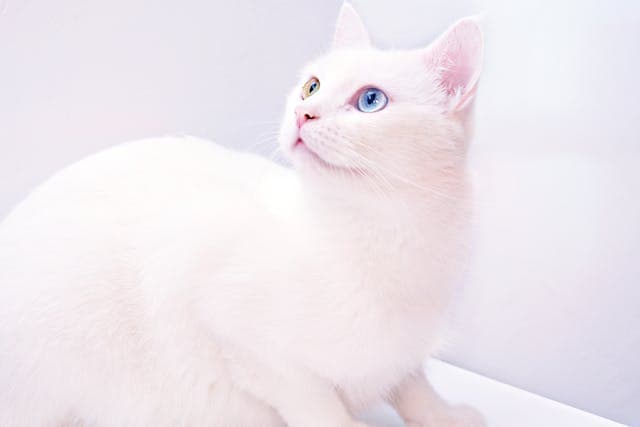
What Are Cat Years? Cat years refer to a way of measuring a cat’s age in terms of human years, using a conversion system that reflects how quickly cats mature, especially in their early years.
Typically, the first two years of a cat’s life are equivalent to around 24 human years, with each subsequent year equaling about four human years.
This method helps owners understand their cat’s stage of life and care needs better.
Understanding the Concept of Cat Years
The concept of cat years is based on the idea that cats mature much more quickly than humans in their early stages of life. This rapid development means that a one-year-old cat is comparable to a 15-year-old human in terms of physical and emotional maturity.
How to Convert Cat Years to Human Years
To convert a cat’s age to human years, follow this general guide:
- First Year: The first year of a cat’s life equals about 15 human years.
- Second Year: The second year adds another 9 human years, making a two-year-old cat roughly equivalent to a 24-year-old human.
- Every Year After: Each additional year equals about 4 human years. For example, a three-year-old cat would be about 28 in human years.
This conversion system helps cat owners better understand their pets’ aging process and adjust their care accordingly, as older cats often have different needs than younger ones.
Learn more about the aging process in animals on Wikipedia.
Why Understanding Cat Years Matters
Understanding the concept of cat years is important for several reasons, including adjusting care routines, monitoring health, and ensuring the well-being of your pet at each life stage.
Adjusting Care Based on Age
Different stages of a cat’s life require varying levels of care and attention. Knowing your cat’s equivalent human age helps you make informed decisions about their diet, exercise, and health checkups. For example:
- Young Adult Cats (1-3 years / 15-28 human years): These cats are active and require plenty of playtime and stimulation.
- Middle-Aged Cats (7-10 years / 44-56 human years): At this stage, cats may start slowing down and might benefit from a diet adjusted for mature cats.
- Senior Cats (11+ years / 60+ human years): Senior cats require more frequent veterinary checkups to monitor conditions like arthritis and kidney health.
For more tips on taking care of cats at every stage of life, see our comprehensive guide on how long do cats live.
Cat age chart
Comparing cat years to human years is straightforward, though factors like breed can also impact a cat’s age in human terms. Check out the cat age chart below to see how cat years compare to human years at different stages.
| Cat Age | Human Age |
| 1 year | 15 years |
| 2 years | 24 years |
| 3 years | 28 years |
| 4 years | 32 years |
| 5 years | 36 years |
| 6 years | 40 years |
| 7 years | 44 years |
| 8 years | 48 years |
| 9 years | 52 years |
| 10 years | 56 years |
| 11 years | 60 years |
| 12 years | 64 years |
| 13 years | 68 years |
| 14 years | 72 years |
| 15 years | 76 years |
| 16 years | 80 years |
| 17 years | 84 years |
| 18+ years | 88 years |
For more tips on taking care of cats at every stage of life, see our comprehensive guide to cat eat.
Health Monitoring and Life Stages

Just like humans, cats go through different life stages that affect their behavior, health, and nutritional needs.
Recognizing where your cat falls on this scale helps in providing preventive care, such as adjusting diets to manage weight or offering supplements that support joint health in older cats.
According to the American Animal Hospital Association (AAHA), understanding the life stage of your cat is crucial for tailored healthcare.
They recommend more frequent veterinary visits as cats age, suggesting bi-annual checkups for senior cats to catch any health issues early.
These visits are essential for monitoring common conditions like dental disease, kidney problems, and arthritis in aging felines.
Factors That Affect Aging in Cats
Several factors can influence how quickly or slowly a cat ages, and not all cats experience the aging process at the same rate.
One key factor is breed—certain breeds, such as Siamese and Burmese, are known for their longevity, often living well into their late teens or even twenties.
On the other hand, larger breeds like Maine Coons may have a slightly shorter lifespan, typically living around 12 to 15 years.
Lifestyle is another major consideration; indoor cats tend to outlive outdoor cats because they face fewer dangers like traffic accidents, predators, or exposure to infectious diseases.
Providing a safe, stimulating indoor environment with opportunities for mental and physical exercise can significantly extend a cat’s lifespan.
Lastly, nutrition and health care play crucial roles in determining how a cat ages.
Cats that are fed a high-quality, well-balanced diet appropriate for their age and health status are more likely to stay healthy in their later years.
Regular veterinary check-ups also help catch and manage any age-related health problems early, contributing to a longer, healthier life.
A study published by Cornell University College of Veterinary Medicine highlights that proper nutrition, stress management, and regular medical care can significantly extend a cat’s lifespan.
It notes that cats with consistent veterinary visits and stress-free living environments tend to live longer and maintain better health as they age.
Conclusion
Cat years provide a way to translate your cat’s age into a human perspective, helping you better understand their life stage and needs.
The conversion system, where the first two years are most critical, helps cat owners provide appropriate care, monitor health changes, and ensure a high quality of life throughout their pet’s lifespan.
By understanding your cat’s stage of life, you can ensure they receive the love, attention, and care they need to thrive at every age.
FAQs
Cats are generally considered seniors around 11 years old, which equates to about 60 in human years, and at this stage, more frequent vet visits and dietary adjustments may be needed.
A balanced diet tailored to a cat’s age and health can significantly enhance their lifespan, especially for managing conditions like kidney health and weight control in senior cats.
The average lifespan of an indoor cat is 12-15 years, though with proper care, including a healthy diet and regular medical attention, some cats can live into their 20s.