Home
Home
Understanding Feather Plucking in Parrots
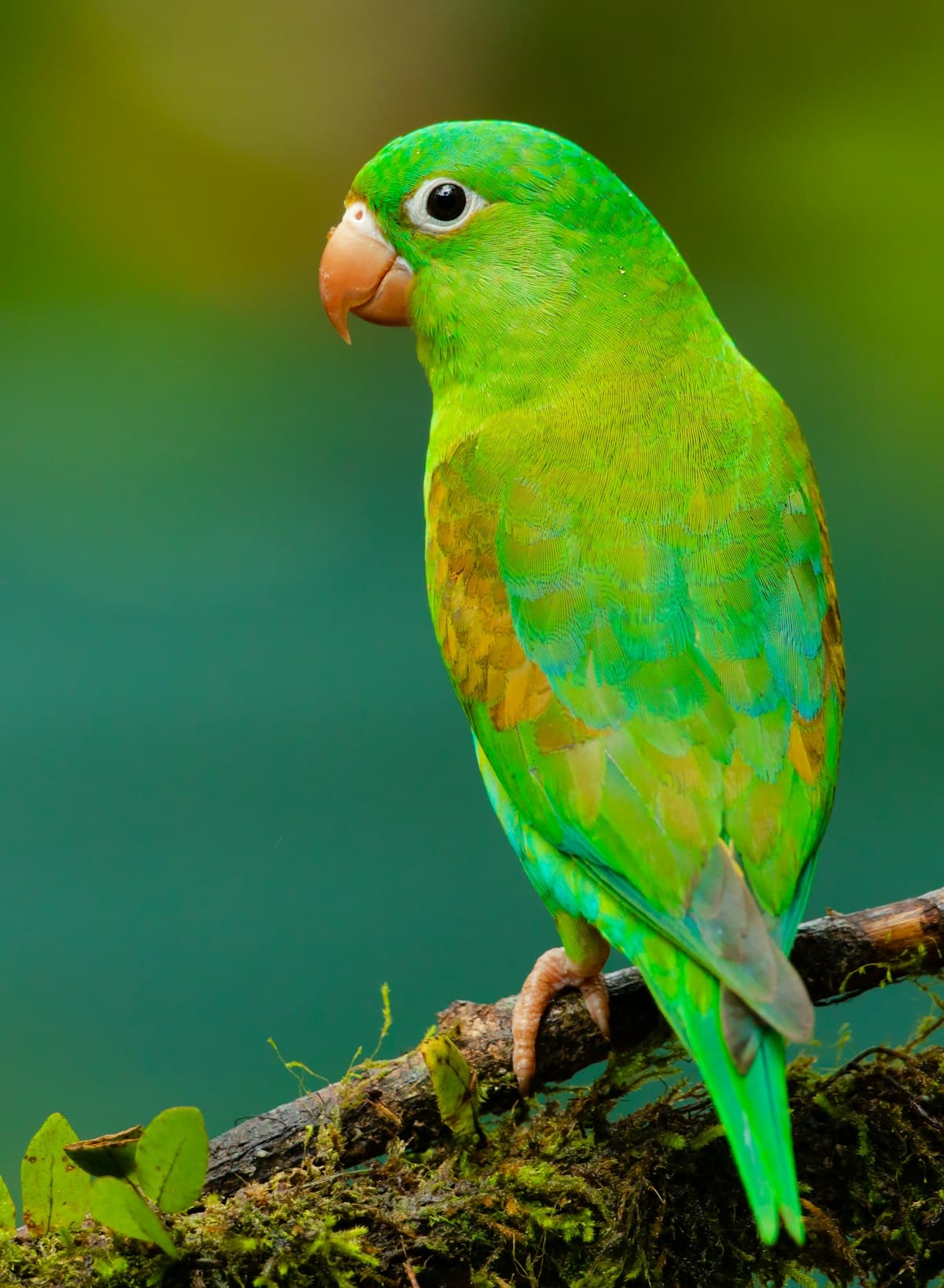
Feather plucking, or psittacine feather picking disorder, is one of the most distressing behavioral issues that parrot owners encounter. When you notice your beloved feathered companion pulling out their own feathers, it’s natural to feel concerned and confused about what might be causing this self-destructive behavior. The good news is that with proper investigation and intervention, many cases of feather plucking can be successfully addressed. Understanding the root causes is the first step toward helping your parrot regain their beautiful plumage and overall well-being.

Medical Causes to Rule Out First
Before attributing feather plucking to behavioral issues, it’s essential to eliminate medical problems. Parrots often pluck their feathers as a response to physical discomfort or illness. Skin conditions like psittacosis, fungal infections, mite infestations, and bacterial dermatitis can all trigger this behavior. Your parrot may be attempting to alleviate itching or pain by removing affected feathers. A veterinary examination should always be your first step when you notice unusual feather loss.
Nutritional deficiencies also play a significant role in feather health. Insufficient vitamin A, calcium, zinc, and essential fatty acids can compromise feather quality and skin integrity. When parrots aren’t receiving proper nutrition, they may become frustrated and resort to feather plucking. Additionally, hormonal imbalances and metabolic disorders can manifest through this behavior, making a thorough veterinary workup absolutely crucial before pursuing other solutions.
Environmental and Behavioral Factors
Once medical issues have been ruled out, environmental stressors become the primary focus. Parrots are incredibly intelligent and social creatures that require substantial mental stimulation and social interaction. A monotonous cage environment with minimal enrichment can lead to boredom, frustration, and ultimately, feather plucking. If your parrot spends most of their day alone in an unstimulating space, they’re at higher risk for developing this destructive habit.

Stress from loud noises, irregular sleep schedules, or abrupt changes in their environment can also trigger feather plucking. Parrots thrive on routine and predictability. When their daily schedule is disrupted or they’re exposed to frightening stimuli, they may develop anxiety-related behaviors. Furthermore, social stress—such as lack of bonding time with their owner or conflicts with other pets—can drive these behaviors. Your parrot’s emotional well-being is just as important as their physical health when preventing feather plucking.
Hormonal Influences and Sexual Frustration
Sexual maturity in parrots can introduce new complexities to their behavior. When parrots reach breeding age and don’t have appropriate outlets for their reproductive instincts, frustration builds. This is especially true if an owner pets their parrot in ways that stimulate mating behaviors without providing a suitable mate or nesting opportunity. Feather plucking can become a manifestation of this unresolved hormonal drive. Understanding your parrot’s age and developmental stage is crucial for prevention.
Some parrot species are more prone to hormonal-driven feather plucking than others. African Grey parrots, Cockatoos, and some macaw species are particularly susceptible. Consulting with an avian veterinarian about your specific parrot species’ behavioral tendencies can help you anticipate and prevent hormone-related issues before they develop into serious feather plucking problems.
Creating an Enriched Environment
Prevention and treatment both rely heavily on environmental enrichment. A well-designed cage isn’t just about size—it’s about providing varied, engaging activities that keep your parrot mentally stimulated. Rotate toys regularly so your parrot doesn’t become bored. Include foraging opportunities where your parrot must work to access food, mimicking natural behaviors. Puzzle feeders, shredding toys made from paper or palm, and interactive toys that require problem-solving are excellent choices.
Natural perches of varying diameters help maintain foot health and provide different tactile experiences. Live branches that your parrot can chew and modify themselves offer both enrichment and satisfaction. Consider providing bathing opportunities, as many parrots enjoy water and find it relaxing. A consistent daily routine combined with 3-4 hours of supervised out-of-cage time helps your parrot feel secure and engaged. When exploring topics like Healthy Habits for Exotic Pets Diet and Vet Tips, remember that enrichment is just as vital as nutrition.
Social Interaction and Bonding
Parrots are flock animals with complex social needs. Daily interaction with their human companions is essential for psychological well-being. Talking to your parrot, teaching them tricks, and playing interactive games strengthens your bond while providing mental stimulation. Neglect—even unintentional—can quickly lead to stress and behavioral problems including feather plucking. Make dedicated time for your parrot each day, regardless of how busy your schedule might be.
The quality of interaction matters as much as quantity. Positive reinforcement, gentle handling, and respecting your parrot’s boundaries create a trusting relationship. Avoid excessive petting in sensitive areas that might stimulate sexual behaviors. Understanding your individual parrot’s personality and preferences allows you to tailor interactions to their specific needs, promoting emotional stability and contentment.
Dietary Solutions and Nutritional Support
A high-quality, varied diet is fundamental to feather health and behavioral stability. Pellets should form the base of your parrot’s diet, supplemented with fresh fruits, vegetables, nuts, and whole grains. Avoid foods that are high in salt or fat, and skip chocolate, avocado, and other toxic foods. A diverse diet provides the vitamins and minerals necessary for healthy feather growth and skin integrity. When learning about Smart Health Habits for Exotic Pets at Home, proper nutrition should be a cornerstone of your care approach.
Omega-3 and omega-6 fatty acids support feather quality and may help reduce inflammatory skin conditions. Include foods rich in these nutrients, such as certain nuts and seeds, in appropriate portions. Vitamin A supports skin health, while B vitamins help manage stress. Work with an avian veterinarian or avian nutritionist to ensure your parrot’s diet is comprehensive and balanced for their specific species and age.
Managing Stress and Anxiety
Stressed parrots are more prone to feather plucking. Creating a calm environment means minimizing sudden loud noises, maintaining consistent lighting and temperature, and avoiding dramatic changes to their living situation. If your parrot has experienced trauma or loss, be patient and compassionate as they adjust. Some parrots benefit from calming techniques like soft music, dim lighting during sleep time, and a secure sleeping area where they feel safe.
If you notice your parrot becoming anxious or stressed, address the trigger if possible. This might mean adjusting their sleep schedule to ensure they get 10-12 hours of uninterrupted sleep nightly, or modifying their environment to reduce frightening stimuli. In some cases, medication prescribed by an avian veterinarian may be necessary to manage anxiety while other interventions take effect.
When to Seek Professional Help
Feather plucking that persists despite your best efforts requires professional intervention. An avian veterinarian can conduct thorough medical testing, including blood work and skin cultures, to identify underlying health issues. If medical causes are ruled out, an avian behaviorist can assess your parrot’s environment and social situation, providing customized recommendations. Don’t hesitate to invest in professional expertise—your parrot’s quality of life depends on it. For broader context on exotic pet care, explore Exotic Pet Stories That Spark Curiosity and related resources.
Some cases of feather plucking are incredibly stubborn and may require medication, behavioral modification therapy, or even environmental changes as dramatic as relocating your parrot to a different room or household. Working with experts ensures you’re taking the most effective approach for your specific situation rather than guessing at solutions.
Seasonal Considerations and Prevention
Seasonal changes can influence parrot behavior and feather plucking patterns. Shorter daylight hours in winter may affect mood and activity levels. Providing additional light, maintaining consistent routines, and possibly adjusting sleep schedules can help. Temperature fluctuations and changes in humidity also impact feather condition. During molting season, parrots naturally shed feathers—ensure they’re receiving optimal nutrition during this time to support healthy new growth.
Proactive management of seasonal factors prevents stress-related issues before they develop. For more information on protecting your parrot year-round, check out Seasonal Safety Tips for Exotic Pets. Staying informed about what to expect during different seasons helps you provide consistent, appropriate care.
Long-Term Success and Monitoring
Addressing feather plucking is often a gradual process. Don’t expect overnight results—behavioral and environmental changes take time to show effects. Monitor your parrot’s progress carefully, keeping notes about plucking incidents, environmental changes, and any medical treatments. This information helps you identify patterns and assess what’s working.
Celebrate small victories as your parrot shows improvements. Maybe they’re plucking less frequently, or new feathers are growing in healthier. These signs indicate progress. Maintain the environmental enrichment, social interaction, and veterinary care that contributed to improvement, as reverting to old patterns can undo your progress. Your commitment to your parrot’s well-being throughout this journey demonstrates the depth of your care and love for your feathered companion.