Home
Home
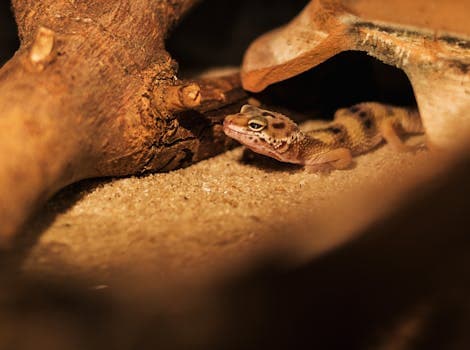
Introduction: The Realities of Exotic Pet Ownership
You may dream of bringing a remarkable companion into your home, but exotic pets require more than curiosity and affection. Exotic animals are not ordinary pets; they come with unique needs, behaviors, and regulatory considerations that demand careful planning. This article explains why exotic pets require special care and planning and provides practical steps you can take to prepare responsibly.
Is an exotic pet right for your lifestyle and living situation yes or no depends on many factors including space, finances, time, and access to experienced veterinary care. In this guide you will find actionable insights to help you assess readiness, design an appropriate living environment, and create ongoing care routines that prioritize the animal welfare and your household harmony.

What Defines an Exotic Pet and Why It Matters
Exotic pets are animals that are not commonly kept as traditional household companions. They can include reptiles, small mammals, birds, and certain fish that require specialized housing, diets, enrichment, and veterinary oversight. The type of care these animals need is not instinctive for most owners; instead it is learned through research, professional guidance, and community support. Understanding the specific species needs is essential because mis care can lead to serious health problems or behavioral issues that threaten both the animal and the owner.
Appropriate planning begins with recognizing that exotic pets are often long term commitments. Some species live for decades and require consistent attention. For example, many reptiles need precise temperature gradients and humidity levels to stay healthy, while certain birds rely on complex diets and enrichment that mimic natural foraging. Recognizing these demands up front helps you avoid impulsive decisions that can harm the animal or create safety risks in your home.
Key Considerations Before Bringing an Exotic Pet Home
Before you adopt or purchase an exotic pet, consider these critical factors. They form the practical foundation for successful care and long term welfare. Each factor has concrete actions you can take to prepare your living environment and your daily routine.
- Legal and Ethical Considerations: Check local and national laws about ownership, import restrictions, and permits. For more details, see our guide on how cut dog. Some species require specialized licenses and may be protected by wildlife regulations. Ensure your choice aligns with ethical sourcing and humane treatment from reputable breeders or rescue organizations.
- Housing and Enclosure Design: Exotic pets require enclosures that meet species specific space, safety, and enrichment needs. Plan for secure closures, escape prevention, ventilation, and materials that are safe for the animal to chew or interact with. An enclosure is not just a cage; it is a living space that supports thermoregulation, humidity, and natural behaviors.
- Diet and Nutrition: Many exotic species have unique dietary requirements. A correct diet supports growth, reproduction, and daily activity. Research proven feeding protocols and avoid tempting but unsuitable foods that can cause illness or obesity.
- Healthcare Access: Find a veterinarian with experience in exotic animals and establish a preventive care plan. Regular checkups, vaccination where appropriate, and prompt attention to illness are essential for early detection and treatment.
- Time and Commitment: Exotic pets often need daily handling, enrichment, and monitoring. Consider your work schedule, travel plans, and family responsibilities to ensure the animal receives consistent care and stimulation.
- Safety and Interaction: Some species pose bite, scratch, or disease risks. Create a safety plan for all household members, including children and visitors, to minimize the risk of injury or stress to the animal.
How to Prepare the Living Space for an Exotic Pet
A well designed living space reduces stress for the animal and makes daily care feasible for you. This section outlines practical steps to create a safe, stimulating, and maintainable environment. The specifics will vary by species, but the principles are universal: regulate temperature and humidity, provide enrichment that mimics natural foraging and play, and ensure easy cleaning to maintain health and hygiene.
- Temperature and Humidity Management: Use thermometers and hygrometers to track microclimates within enclosures. Create warm zones and cool zones, and adjust humidity to species specific ranges. Consistent climate control reduces stress and supports immune function.
- Enrichment and Social Stimulation: Provide a variety of enrichment items such as foraging puzzles, nesting materials, climbing structures, and scent trails. Rotate toys to prevent boredom and encourage natural behaviors.
- Safe Substrates and Materials: Choose enclosure substrates that are easy to clean and non toxic. Avoid materials that can harbor bacteria or trap moisture in the wrong places. Regular cleaning prevents odor buildup and health issues.
- Secure Housing and Escape Prevention: Ensure latches, locks, and spacing prevent escapes. Many exotic pets are highly skilled at squeezing through small gaps, which can lead to injuries or disappearances.
- Cleanliness and Hygiene Protocols: Establish daily and weekly cleaning routines, sanitize water and food dishes, and monitor waste to prevent disease transmission within the home.
Diet and Nutrition: Balancing Taste, Health, and Safety
Diet is often the single most important factor in exotic pet health. Unlike cats and dogs, exotic animals may require highly specialized diets that must be prepared with precision. Inadequate nutrition can lead to metabolic disorders, obesity, dental problems, bone disease, and organ failure. Work with a qualified veterinarian to design a diet plan that aligns with the animal’s life stage, activity level, and species.
Key strategies include offering a variety of fresh foods when appropriate, ensuring calcium and vitamin balance, and avoiding toxic foods. For example, many herbivorous species rely on leafy greens and specific vegetables, while omnivores may require carefully balanced mixes of protein, vegetables, and fortified foods. Always introduce new foods gradually to monitor tolerance and digestion.
Be mindful of seasonal changes and habitat mimicry. Some species depend on seasonal cues for feeding patterns and reproduction. Maintain consistent feeding schedules and avoid fluctuating food availability that can cause stress or health problems.
Healthcare for Exotic Pets: Building a Lifelong Partnership
Preventive care for exotic pets is not optional; it is a cornerstone of welfare. Regular veterinary visits, parasite control, dental care, and vaccination where applicable all contribute to a longer, healthier life. Because exotic animals often hide symptoms, proactive monitoring is essential. Keep a health diary that records appetite, activity, sleep, stool quality, and coat condition so you can spot trends quickly.
Establish a relationship with a veterinarian who specializes in exotic species. If your local vet lacks experience with your particular animal, seek recommendations for a specialist or a regional exotic animal hospital. Schedule routine exams at intervals that match the animal’s risk profile and life stage. In between visits, learn to recognize warning signs such as lethargy, changes in appetite, abnormal droppings, and respiratory distress. Early detection improves treatment outcomes significantly.
Legal and Ethical Sourcing: Making Responsible Choices
Ethical sourcing is a fundamental aspect of responsible ownership. Avoid purchasing animals from breeders with questionable practices or from wild capture. Instead, consider rescue organizations, reputable breeders with transparent health testing, or sanctuaries that prioritize welfare. Understand the long term commitments and the potential impact on conservation and local ecosystems. Ethical decisions extend to enclosure design, enrichment availability, and ongoing veterinary care that respects the animal as a sentient being rather than a novelty item.

Some exotic pets require permits or have restricted ownership in certain jurisdictions. Before acquiring any animal, verify regulatory requirements and ensure you can meet ongoing responsibilities. When in doubt, reach out to local wildlife authorities or exotic pet associations for guidance and resources.
Common Myths About Exotic Pets Debunked
Several popular myths can mislead potential owners into risky choices. Debunking these myths helps you make informed decisions and fosters humane, safe care. One common myth is that exotic pets are low maintenance. In fact, they demand specialized habitats, diets, and health monitoring. Another misconception is that all exotic pets are easy to train. Many species respond to routine and enrichment, but training requires patience, knowledge, and consistent handling. Finally, some people assume exotic pets need little social interaction. Social needs vary by species; some thrive with daily interaction, while others prefer space and quiet times.
Practical Day to Day Routines for Exotic Pet Care
Daily routines keep exotic pets healthy and reduce stress. A thoughtful daily plan includes feeding, enrichment, enclosure maintenance, and health checks. Consistency matters, as abrupt changes can trigger stress responses in many species. The following practical steps can help you establish a reliable daily rhythm that supports welfare:
- Morning Checks: Quick observation of appetite, energy level, posture, and any signs of discomfort. You can explore female cats spray for additional insights. Note any unusual behavior for follow up with your veterinarian if needed.
- Feeding Schedule: Deliver meals at consistent times, and monitor whether the animal consumes the offered portions. Fresh water should be available at all times unless dietary guidelines specify otherwise.
- Enrichment Sessions: Short play periods or foraging activities that replicate natural behaviors. Regular enrichment reduces stress and prevents behavioral problems caused by boredom.
- Cleaning and Hygiene: Spot clean daily and perform deeper sanitization on a set schedule. Consistent hygiene reduces microbial load and supports respiratory and digestive health.
- Evening Wind Down: Gentle handling and calm time help the animal settle for the night. Preserve a predictable routine to minimize stress around nightly transitions.
Travel and Emergencies: Planning for Mobility and Crisis
Life events can disrupt routine care. When planning travel or addressing emergencies, you need a robust plan that protects the animal while ensuring your peace of mind. Options include arranging trusted pet sitters who are trained in exotic care, coordinating with a reputable boarding facility, or arranging a regional care plan with your veterinarian. If you own a species with high heating or cooling needs, travel can present additional risks that require contingency plans such as portable climate control devices or dedicated transport cages.
In case of medical emergencies, have a ready list of contact information for your veterinarian, an emergency hospital, and any essential medications. Keep a copy of health records and a basic care guide for caregivers. Preparedness reduces stress for both you and the animal when time is critical.
Case Studies: Real World Scenarios of Exotic Pet Care
Here are a few illustrative scenarios that demonstrate the importance of careful planning and ongoing care. These examples reflect common challenges and practical solutions that owners can adapt to their own situations.
: A reptile owner maintains a precise heat gradient with a dedicated overhead heat lamp and a basking area, guided by a monthly reptile health check. For more details, see our guide on are petunias poisonous. This setup supports digestion and activity levels and reduces stress during shedding cycles. - Case B: An exotic bird owner implements a structured daily foraging routine, a varied diet, and social interaction. By recognizing noise sensitivity and providing quiet periods, the owner maintains calm behavior and strong bonding.
- Case C: A small mammal rescue creates a quarantine protocol, veterinary intake, and enrichment planning that supports socialization while managing potential disease spread. The approach protects both new residents and existing animals.
What to Do If You Are a First Time Exotic Pet Owner
First time ownership requires humility, patience, and a willingness to seek expert guidance. Start by outlining your goals, your household’s capability to provide care, and any constraints that could affect daily routines. Create a learning plan that includes reading up on species specific needs, joining reputable communities or clubs, and scheduling a first veterinary visit as soon as possible. Remember that being an informed owner is the first step toward providing a good life for your animal.
Conclusion: The Path to Responsible Exotic Pet Ownership
Exotic pets offer extraordinary companionship, but they demand special care and planning. From housing design and nutrition to health care and legal considerations, responsible ownership requires deliberate preparation and ongoing commitment. By choosing the right species for your lifestyle, securing veterinary expertise, designing an appropriate environment, and maintaining ethical sourcing, you can create a thriving partnership that benefits both you and your animal. If you are a pet owner ready to explore the world of exotic companions, start with a candid assessment of your resources, connect with professionals, and invest in thoughtful planning that prioritizes welfare above all else.
Frequently Asked Questions
Below are common questions about exotic pet care with clear, practical answers that reflect current best practices.
- What legal requirements should I check before getting an exotic pet? Always verify local laws, permits, and import restrictions with the appropriate authorities or a licensed exotic animal veterinarian.
- How much space does an exotic pet need? Requirements vary by species; in general, provide enough room for movement, enrichment, and safe temperature zones.
- How do I find a reputable exotic animal veterinarian? Ask for referrals from rescue groups, clubs, or regional associations and check for species specific credentials.
- What are common mistakes new owners make? Rushing into ownership without planning, neglecting enrichment, and relying on unsuitable diets.
- How can I ensure ethical sourcing? Choose rescue centers or breeders with transparent health testing and humane practice standards.
For more practical guidance on daily pet care topics, you might also explore articles about dog health and wound care to build a broader foundation for responsible pet ownership.