 Home
Home
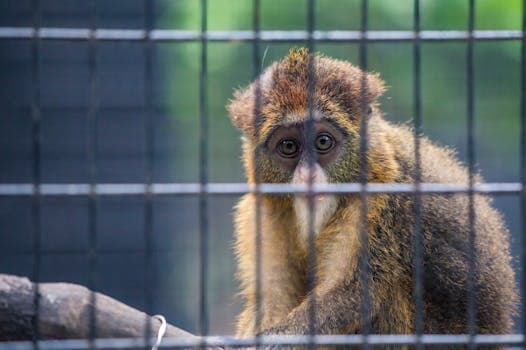
Introduction
Are you considering an exotic pet and wondering if it is the right fit for your home and lifestyle The decision to bring a non traditional companion into your family requires careful planning and clear information You need to know the responsibilities costs and legal considerations before you make a commitment This article provides a practical guide to help pet owners make an informed choice and to prepare for responsible ownership
Are Exotic Pets a Good Fit for Your Home and Life
Exotic pets include animals such as reptiles birds small mammals and unusual marsupials Each species has unique needs and challenges while some require professional care and specialized housing Others may have complicated legal restrictions and welfare concerns The central question is whether you can meet their needs consistently and without compromising safety or well being

What exactly counts as an exotic pet and why it matters for you
Exotic pets are animals that fall outside common domestic dog and cat ownership They may be legally restricted in some areas while allowed in others The care needs vary widely including housing diet enrichment and veterinary support Recognizing these differences helps you avoid impulsive decisions and supports a more humane and responsible approach
How to assess your readiness before adopting an exotic pet
First evaluate your home environment and daily routine Consider space heat lighting and humidity requirements as well as potential safety risks For example a large lizard may need a climate controlled enclosure a bird might require flight space and frequent enrichment A practical readiness checklist helps you avoid common pitfalls and sets a strong foundation for responsible ownership
What legal and safety considerations should you review
Legal status varies by country state and even municipality Some species require permits while others are banned It is essential to verify ownership laws check local zoning and housing restrictions and understand transport rules If you travel or relocate you will need clear plans for care and transport of your exotic pet Consider consulting a licensed attorney or a local animal welfare group for guidance
Common costs you should plan for when owning an exotic pet
Initial purchase price is only the start Ongoing costs include specialized food veterinary care enrichment and secure housing An exotic pet may require periodic lab tests preventive vaccines and parasite control The cost picture can vary wildly by species making a detailed budget crucial for long term care
Habitat design and enrichment strategies that support welfare
A well designed enclosure matches the natural history of the species It should provide appropriate temperature gradients humidity levels lighting cycles and hiding spaces Enrichment activities such as climbing branches for a parrot or puzzle feeders for a small mammal help prevent boredom and promote physical and mental health
Dietary needs and safe feeding practices
Exotic species have tailored diets that can be delicate The wrong diet can lead to serious health problems Involve a vet or an exotic animal nutritionist to establish a balanced feeding plan And always ensure fresh clean water is available The safety of owner handling must also be considered when feeding
Choosing a reputable breeder or rescue and why it matters
Reputable breeders prioritize welfare health testing and transparent lineage while rescues emphasize rehabilitation and adoption readiness A careful vetting process includes visiting facilities asking for health records and requesting a humane housing statement Choosing the right source reduces the risk of hidden health issues and supports ethical practices

Medical care and finding the right veterinarian
Not every veterinarian treats exotic species You should locate a practice that offers exotic animal medicine and has experience with your species Pre purchase consultations can reveal potential health risks and care requirements Establish a proactive preventive care plan and know when to seek urgent care
Do exotic pets fit with families and other pets
Interactions with children other pets and household activities require careful supervision Some species may be sensitive to handling or stress triggers Improper introductions can lead to bites or injuries Planning socialization time and safe spaces helps minimize conflicts and improves long term welfare
How to build a practical care plan with step by step actions
Step one identify your chosen species and confirm legal status Step two assess your home environment and safety features Step three create a housing plan including enclosure size lighting and humidity Step four design a nutrition and enrichment schedule Step five choose a veterinary team and establish a preventive care calendar Step six implement a behavior and training plan that emphasizes welfare and safety
Comparison: exotic pet versus traditional pets in key areas
Table is a simple comparison showing how exotic pets differ from traditional pets across essential factors
- Care complexity and daily routine
- Housing and environmental needs
- Medical care and veterinary access
- Legal and ethical considerations
- Cost of ownership and long term commitment
While traditional pets like cats and dogs offer straightforward care and broad support networks exotic pets require specialized knowledge and dedicated resources Yet with thorough planning and ongoing commitment they can be rewarding companions for the right households
Ethical considerations and welfare standards
Ethical ownership means prioritizing the animal best interests Below are practical guidelines: verify that the pet was bred or rescued under humane conditions avoid contributing to the illegal trade ensure enrichment and social needs are met monitor welfare indicators and be prepared to rehome if the match is not suitable Ethical ownership also means transparency about the animal origin and care history
Emergency planning and risk management for exotic pets
Develop an emergency plan that includes contact information for veterinary clinics poison control hotlines and 24 hour care services Keep a first aid kit and know basic first aid steps For some species rapid stress reduction and cooling or warming may be crucial Involve all household members in the plan to ensure swift and coordinated responses
Conclusion and practical takeaways
Bringing an exotic pet into your home is a serious commitment that requires thorough research planning and ongoing care It is essential to verify legal requirements assess your housing and financial capacity and connect with qualified veterinary professionals This preparation helps ensure the animal receives proper welfare and you experience a rewarding and safe ownership journey
Call to action for pet owners
If you are thinking about an exotic pet start by researching your local laws visiting authorized rescues or reputable breeders and speaking with a veterinarian who specializes in exotic species Take the time to build a comprehensive care plan and consider adoption first Remember responsible ownership is a long term promise





