 Home
Home
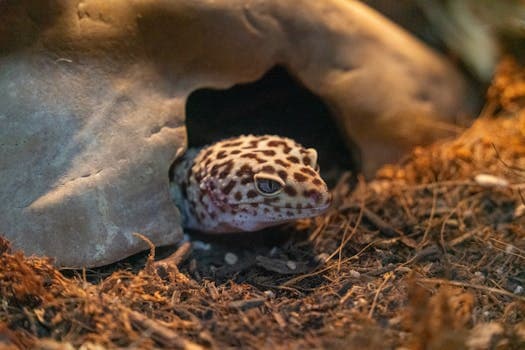
Introduction: A surprising journey into ten toed gecko care
Caring for a ten toed gecko can teach patience, diligence, and a new level of observation. When I first welcomed a tiny reptile into my home I expected a simple routine of feeding and habitat cleaning. What I discovered was a dynamic daily practice that rewards careful attention and consistent caregiving.
In this article you will learn what a dedicated owner needs to know. You will find practical steps you can take today to improve your gecko care. You will also see how to recognize warning signs and when to seek expert advice. This is a practical guide for pet owners who want a healthier, happier gecko and a calmer household.

What is a ten toed gecko and why care matters
A ten toed gecko is a small nocturnal reptile that thrives in warm, secure environments. They are known for their calm temperament and interesting behaviors. Their care requires attention to temperature, humidity, diet, and habitat structure. When these elements are aligned you create a resilient pet with fewer stress related issues.
Geckos are wild cousins of our domesticated companions and their needs reflect natural ecologies. Understanding these needs helps you tailor husbandry practices. The right enclosure supports thermoregulation, hydration, and exploratory behavior. The wrong setup can lead to shedding problems, dehydration, or stress related health concerns.
For many owners the first sign of trouble is not dramatic illness but subtle changes in activity, appetite, or sleeping patterns. You will learn how to interpret these changes and adjust your routine accordingly. With the right approach a ten toed gecko can thrive for years in a home environment.
Key environmental factors for a healthy habitat
Temperature and humidity form the core of a healthy gecko microclimate. The basking area should be warm enough to support digestion while cooler zones provide retreat spaces. Maintaining a gradient allows the gecko to self regulate its body temperature. Humidity levels must be balanced to prevent shedding problems without promoting mold or respiratory issues.
Lighting is another crucial factor. A simple day night cycle with appropriate UV light can support metabolic processes and overall well being. A predictable schedule reduces stress and helps your gecko anticipate feeding and hydration times. The enclosure layout should include climbing structures, hiding spots, and gentle substrate to minimize injury risks.
Cleanliness and enclosure hygiene are often underestimated. Regular spot cleaning, substrate changes when needed, and water exchanges maintain air quality and reduce pathogen buildup. Consistency in cleaning routines builds a sense of security for the gecko and makes daily care straightforward for you.
Nutrition and feeding: practical daily routines
Ten toed geckos typically thrive on a protein rich insect diet. This often includes appropriately sized crickets, mealworms, and occasional wax worms as treats. Protein should be balanced with fresh water and minimal fruit or sugary offerings which can disrupt digestion and promote unhealthy weight gain.
Feeding routines should be structured and predictable. A common approach is to feed in the morning when the gecko is most active. Using tongs helps you gauge how much the gecko consumes and avoids overfeeding. This practice supports a trim body condition and reduces waste in the enclosure.
Hydration is essential. A shallow dish of fresh water should be available at all times, and you should monitor the gecko’s hydration by examining skin turgor and eye clarity. If you notice persistent dryness or dull eyes, revisit humidity levels and water availability. Remember that hydration also supports shedding health and skin integrity.
Supplementation is sometimes needed. Calcium with vitamin D3 is important for bone health, and multivitamin supplementation can fill nutritional gaps. Always follow an established schedule and consult a veterinarian if you observe any unusual signs after introducing supplements.
Handling and social interaction: building trust safely
Geckos respond to gentle, calm handling. Begin with short, low stress interactions and gradually extend time as trust builds. Avoid grabbing or squeezing, which can cause stress and defensive behaviors. A good rule is to handle only when necessary and to provide a stable hiding spot so the gecko can retreat if stressed.
You should observe their body language to assess comfort. A tucked tail, flattened posture, or rapid movement may indicate fear or distress. In such cases pause the interaction and give space. Positive reinforcement for calm behavior can include returning to a familiar hiding spot after a brief handling session.
Socialization is often misunderstood. Ten toed geckos do not require frequent handling to stay well adjusted. In fact, excessive handling can wear down their tolerance. Use observation as the primary way to monitor personality and health, and limit handling to needs such as habitat checks or seasonal health assessments.
Health checks and common issues to watch for
Regular health checks are an essential part of responsible ownership. Look for changes in appetite, weight, activity, shedding quality, and stool consistency. Early detection of issues such as dehydration, parasites, or respiratory concerns can prevent more serious problems.
Dehydration is a common threat. Signs include sunken eyes, wrinkled skin, and lethargy. If you notice these signs, increase the humidity slightly, offer water via a shallow dish, and consider misting the enclosure to support hydration. Persistent dehydration warrants veterinary advice.
Shedding problems can arise from improper humidity or stress. If shedding is incomplete, provide a humid hide or gentle assistance with care only under veterinary guidance. Never forcibly remove shed; it can injure the skin and cause lasting damage.
Respiratory issues present with signs like wheezing, nasal discharge, or rapid breathing. If you notice these symptoms, seek veterinary attention promptly as airborne infections can worsen quickly in reptiles.
Habitat design 실 practical setup ideas
Choosing the right enclosure is the foundation of good care. A glass terrarium with secure ventilation offers visibility and stability. You should ensure a smooth, non porous substrate that is easy to clean and safe for the gecko to walk on. Rough materials can injure their feet and lead to stress and injury.
Decorations should mimic natural crevices and hides. Rocks, cork bark, and driftwood provide climbing opportunities while giving the gecko places to retreat. Strategic placement of heat sources and hides creates microclimates that encourage natural behaviors like exploration and hunting instincts during the active period.
Feeding aids like live insect containment cups during feeding times reduce the risk of escaped prey and keep the enclosure cleaner. A dedicated feeding station helps maintain hygiene and reduces incidental waste in other areas of the terrarium.

Substrate choices include coconut fiber, reptile carpet, or paper towels depending on your cleaning capacity and the gecko’s needs. Each substrate has benefits and considerations concerning humidity, ease of cleaning, and risk of impaction. Do your research and select the option that best fits your setup and routine.
Transitioning from beginner to seasoned gecko caregiver
Start with a simple, repeatable routine. Develop a daily checklist that covers lighting, temperatures, hydration, feeding, and habitat inspection. As your confidence grows you can refine details and adjust schedules for seasonal changes or breeding considerations.
Document observations. A small journal or digital note keeps track of weight, appetite, molts, and behavior. Over time patterns emerge that help you anticipate needs and respond proactively. This data becomes a practical resource for veterinary visits or seasonal care adjustments.
Invest in ongoing education. Reptile care evolves with new research, husbandry recommendations, and veterinary insights. Subscribing to reputable sources and engaging with local herp communities can provide ongoing support and new ideas for enrichment.
Cost considerations and budgeting for long term care
Initial setup costs include enclosure, lighting, thermometers, humidity meters, substrate, hides, and safe decor. Ongoing expenses cover live insects, supplements, fresh water, and routine veterinary care. A well planned budget helps you sustain quality care without surprise expenses.
Quality over quantity matters. Investing in a reliable heat source, safe enclosure materials, and durable feeding tools reduces long term replacement costs. Protective gear like feeding tongs and cleaning brushes also contribute to a smoother routine and safer handling.
Emergency funds are prudent. Having a small reserve for unexpected health issues ensures you can respond quickly when care is needed. Proactive planning reduces stress for both you and your gecko in challenging moments.
Behavioral enrichment and enrichment ideas
Enrichment supports mental stimulation and reduces boredom. Rotating hides, swapping climbing structures, and varying the daily routine keeps your gecko curious and engaged. Simple puzzle feeders or delayed feeding challenges mimic natural foraging and promote activity.
Structured exploration times give your gecko opportunities to observe new textures and textures within a safe space. Always supervise enrichment activities to prevent accidents and ensure safe exploration. Enrichment should complement, not replace, reliable daily care routines.
Quiet time and routine stability are part of enrichment too. Consistent sleep cycles and predictable care routines reduce stress and improve overall well being. A calm, well organized home environment benefits both you and your gecko alike.
Planning to add a second gecko or other pets
Geckos are territorial creatures and introducing a new animal requires careful planning. Quarantine procedures are important to prevent cross contamination and protect both animals. Consult a veterinarian or reptile specialist for specific timing and housing recommendations.
Shared enclosures are generally not recommended for geckos that have established territories. If you consider housing two geckos together, you must ensure there is ample space, multiple retreats, and clearly divided resources like feeding zones and hides. Observe for signs of aggression and be prepared to separate if necessary.
Introduce new environments gradually. Monitored introductions in a neutral area until each gecko shows comfortable behavior can reduce stress and promote acceptance. Always have a contingency plan and access to quick separation if needed.
Frequently asked questions for ten toed gecko owners
What is the easiest way to set up a ten toed gecko habitat? Start with a secure enclosure, a warm basking spot, a cooler retreat, a humidity gradient, and a stable lighting cycle. Add hides and climbing decor to encourage natural behaviors.
How do I know if my gecko is healthy? Healthy geckos are active during their active period, eat regularly, shed properly, and maintain bright eyes. Weight should be stable and there should be no signs of respiratory distress or dehydration.
What should I feed and how often? Offer appropriately sized live insects on a regular schedule. Remove uneaten prey promptly, provide fresh water daily, and supplement as recommended by a veterinarian.
How long does a ten toed gecko live? With proper care, many ten toed geckos live several years in captivity, often ranging from five to ten years depending on species, diet, and husbandry. Regular veterinary checkups support longevity.
When should I seek vet care? If you notice persistent weight loss, lethargy, persistent shedding problems, nasal discharge, or any breathing changes, seek veterinary advice promptly.
Conclusion: what this journey teaches every pet owner
Care for a ten toed gecko is not simply filling a dish and cleaning glass. It is an ongoing practice of observation, planning, and gentle interaction. The small creature rewards your diligence with a calm demeanor, vibrant curiosity, and a unique window into reptile behavior. You can cultivate a thriving partnership built on informed decisions and consistent routines. Start with a clear habitat plan, implement a reliable feeding schedule, monitor health indicators, and invest in enrichment to keep your gecko active and engaged. This approach creates a sustainable, rewarding experience for both you and your pet gecko.
Remember that a well cared for gecko is not only healthier but also easier to manage. A stable home environment reduces stress for your pet and for you as the caregiver. By prioritizing temperature and humidity control, appropriate nutrition, safe handling, and regular health checks you set the stage for a long and fulfilling companionship. If you are ready to deepen your knowledge, join a local reptile care community or schedule a veterinary consult to tailor your care plan to your gecko’s needs. For practical rabbit care and health related guidance that can cross over to small house pets, consider reading about proper rabbit care.
Additionally, you can explore general care information related to small pets and enclosures in our guide on rabbit housing and husbandry basics for a broader view on pet care dynamics.





