Home
Home
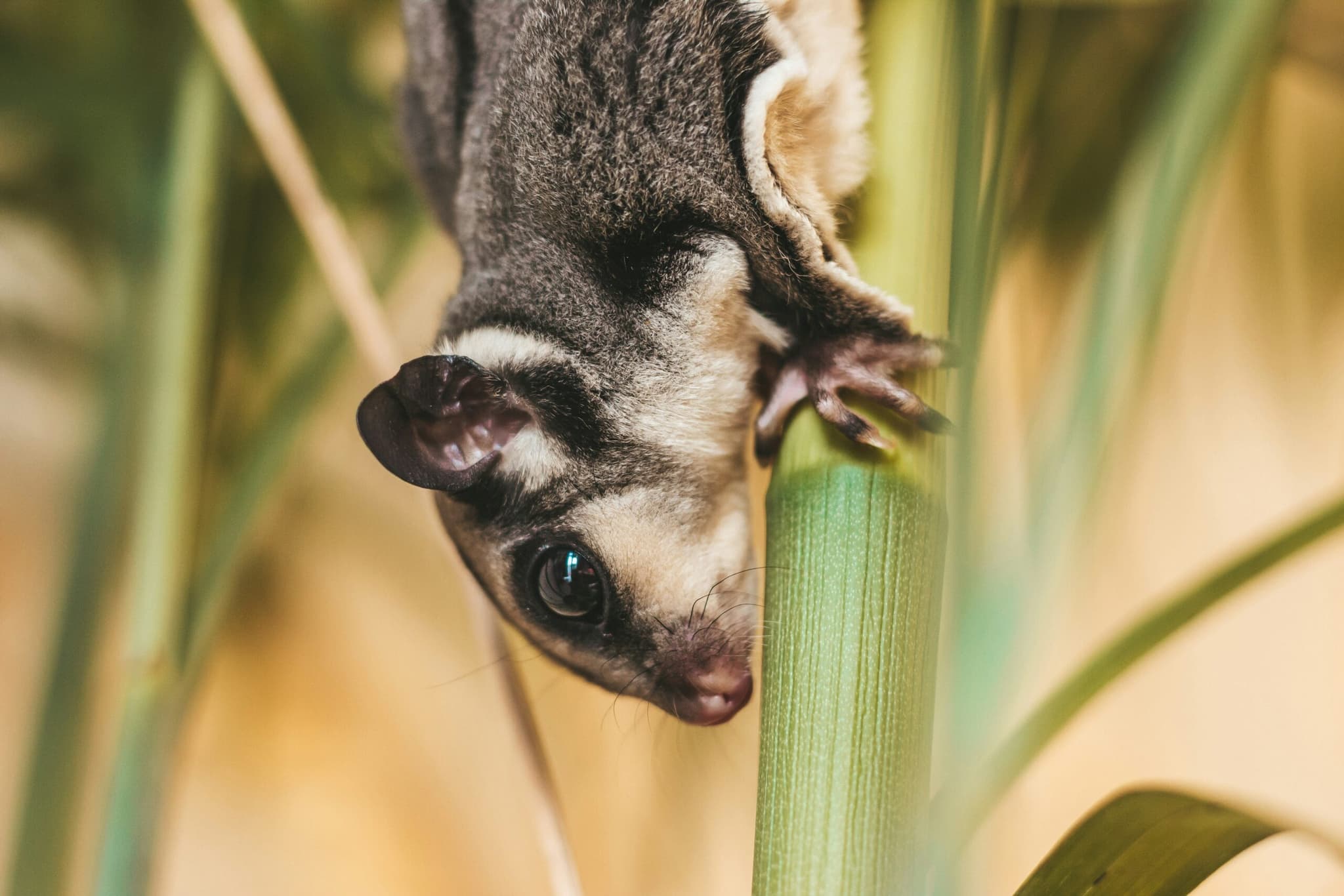
Sugar gliders have complex dietary needs that differ dramatically between their natural habitat and captive environments. Understanding what sugar gliders eat in captivity versus the wild is essential for providing proper nutrition to these unique marsupials, as their health and lifespan depend heavily on receiving a balanced diet that mimics their natural feeding patterns.
In the wild, sugar gliders enjoy a diverse menu that changes with the seasons, while captive gliders rely entirely on their owners to provide appropriate nutrition. This comprehensive guide explores the fascinating differences between wild and captive sugar glider diets, helping you understand how to best feed these adorable exotic pets.
Understanding Sugar Glider Dietary Needs
Sugar gliders are omnivores with specific nutritional requirements that have evolved over thousands of years in the forests of Australia, Indonesia, and Papua New Guinea. These small marsupials get their name from their love of sweet foods and their ability to glide between trees, both characteristics that directly influence their dietary habits.
Their unique digestive system is designed to process a variety of foods, from tree saps and nectar to insects and small prey. This adaptability has helped them survive in diverse environments, but it also means they require a carefully balanced diet in captivity to maintain optimal health. Without proper nutrition, sugar gliders can develop serious health issues including metabolic bone disease, obesity, and malnutrition.
The calcium to phosphorus ratio in their diet is particularly crucial, ideally maintaining a 2:1 ratio. This balance is naturally achieved in the wild through their varied diet but requires careful planning in captivity. Additionally, sugar gliders need adequate protein for muscle development and maintenance, especially during breeding seasons or growth periods.
What Do Sugar Gliders Eat in the Wild?
In their natural habitat, wild sugar gliders are opportunistic feeders who spend their nights foraging through the forest canopy. Their diet varies significantly based on season, location, and food availability, showcasing their remarkable adaptability.
Natural Food Sources
The primary component of a wild sugar glider’s diet consists of tree saps and gums, particularly from eucalyptus and acacia trees. These gliders have specialized teeth that allow them to gouge tree bark and access the nutritious sap beneath. This behavior is so important that researchers estimate sap and gum make up 40-50% of their wild diet during certain seasons.
Nectar from native flowers provides another significant food source, especially during blooming seasons. Sugar gliders have brush-tipped tongues perfectly adapted for extracting nectar from flowers like bottlebrush and banksia. This sweet food source provides quick energy for their active nighttime lifestyle and helps them maintain their high metabolism.
Insects form the primary protein source for wild sugar gliders. They hunt various arthropods including beetles, moths, spiders, and their larvae. During breeding season, female gliders increase their insect consumption significantly to meet the higher protein demands of pregnancy and nursing. Young gliders learning to forage often practice their hunting skills on slower-moving insects before progressing to more challenging prey.
Seasonal Variations in Wild Diet
The availability of food sources changes dramatically with the seasons, and sugar gliders have adapted to these fluctuations. During spring and summer, when flowers bloom abundantly, nectar consumption increases significantly. This period also coincides with higher insect activity, providing ample protein sources.
Winter presents more challenges, as flower availability decreases and insect populations decline. During these months, sugar gliders rely more heavily on tree saps and gums, which remain available year-round. They may also consume more plant materials like native fruits, seeds, and even small bird eggs when other food sources are scarce.
Some populations of sugar gliders have been observed storing food in tree hollows during abundant seasons, though this behavior is less common than in other small mammals. Instead, they typically adjust their foraging patterns and territory size based on food availability.
Foraging Behaviors
Wild sugar gliders are primarily nocturnal foragers, emerging from their nests shortly after sunset. They can travel up to a kilometer per night in search of food, using their excellent night vision and keen sense of smell to locate food sources. Their gliding ability allows them to efficiently move between trees without expending excessive energy.
Social foraging is common among sugar gliders, with colony members often feeding together at abundant food sources. This behavior provides safety in numbers and allows younger gliders to learn about food sources from experienced adults. Communication through vocalizations helps colony members alert each other to particularly good feeding sites.
What Do Sugar Gliders Eat in Captivity?

Feeding sugar gliders in captivity requires careful planning to replicate the nutritional variety of their wild diet. Many well-meaning owners make the mistake of offering too many sweet treats or an imbalanced diet, leading to health problems. The challenge lies in providing foods that are both nutritionally complete and appealing to these sometimes picky eaters.
Commercial Diets vs Homemade Options
Commercial sugar glider pellets have improved significantly in recent years, with several brands now offering nutritionally balanced options. These pellets typically contain a mix of proteins, vitamins, and minerals designed to meet basic nutritional needs. However, pellets alone shouldn’t constitute the entire diet, as sugar gliders thrive on variety and may refuse to eat if offered only dry food.
Many experienced sugar glider owners prefer homemade diets that allow for greater control over ingredients and freshness. Popular homemade diet plans include the BML (Bourbon’s Modified Leadbeater’s) diet, HPW (High Protein Wombaroo) diet, and the TPG (The Pet Glider) diet. Each of these requires specific ingredients mixed in precise ratios to ensure nutritional balance.
The BML diet, for example, combines honey, eggs, bee pollen, and various supplements to create a protein-rich base that mimics the nutritional profile of insects and tree saps. This mixture is then supplemented with fresh fruits and vegetables to provide additional vitamins and variety. While more time-consuming than commercial diets, many owners find the improved health and vitality of their gliders worth the extra effort.
Essential Nutrients for Captive Sugar Gliders
Protein requirements for captive sugar gliders typically range from 20-25% of their total diet. High-quality protein sources include cooked chicken, hard-boiled eggs, mealworms, and crickets. Some owners also offer pinkie mice occasionally, though this should be limited to prevent obesity. Protein is especially important for growing joeys, pregnant females, and highly active gliders.
Calcium supplementation is critical in captivity since many common foods are high in phosphorus but low in calcium. Without proper supplementation, sugar gliders can develop metabolic bone disease, leading to fractures and paralysis. Calcium can be provided through supplements, calcium-rich vegetables like collard greens, or by gut-loading feeder insects with calcium-rich foods.
Vitamins and minerals must be carefully balanced, as both deficiencies and excesses can cause health problems. Vitamin D3 is particularly important for calcium absorption, while vitamin A supports immune function and vision. Many homemade diet recipes include multivitamin supplements specifically formulated for sugar gliders to ensure all nutritional needs are met.
Safe Fruits and Vegetables
Fresh produce should make up approximately 25% of a captive sugar glider’s diet. Safe fruits include apples (without seeds), grapes, melons, berries, papaya, and mango. These should be offered in small, bite-sized pieces and rotated regularly to provide variety. Fruits higher in calcium, such as figs and oranges, can help maintain proper calcium levels.
Vegetables provide important nutrients with fewer calories than fruits. Good options include sweet potatoes, carrots, green beans, and leafy greens like kale and bok choy. These should be fresh or lightly steamed, never seasoned or cooked with oils. Some sugar gliders may be reluctant to eat vegetables initially but often accept them when mixed with favored foods.
It’s important to introduce new foods gradually and monitor for any adverse reactions. Some sugar gliders have individual preferences and may refuse certain foods entirely. Keeping a food diary can help identify patterns and ensure dietary variety over time.
Foods to Avoid
Several common foods are toxic or dangerous for sugar gliders and must be strictly avoided. Chocolate contains theobromine, which is toxic to sugar gliders even in small amounts. Avocado contains persin, a fungicidal toxin that can cause heart damage and death in sugar gliders. Other foods to avoid include onions, garlic, raw lima beans, and anything containing caffeine.
High-fat and high-sugar processed foods should also be avoided, despite sugar gliders’ natural attraction to sweet tastes. While they may eagerly accept candy, cookies, or other human treats, these foods can quickly lead to obesity and dental problems. Even natural sweeteners like honey should be limited to small amounts used in approved diet recipes.
Foods with inappropriate calcium to phosphorus ratios should be limited or balanced with calcium supplements. This includes many nuts, seeds, and corn, which are high in phosphorus. While not toxic, feeding these foods without proper calcium supplementation can contribute to metabolic bone disease over time.
For more information about proper pet nutrition, check out our guide on what human food cats can eat, which discusses similar principles of safe feeding practices.
Key Differences Between Wild and Captive Diets

The most significant difference between wild and captive sugar glider diets is the variety and seasonality of food sources. Wild gliders may encounter dozens of different food items throughout the year, while captive gliders typically receive a more consistent but less varied diet. This consistency can be both an advantage and a disadvantage.
Nutrient density also differs considerably. Wild foods often have lower caloric density, requiring gliders to forage extensively to meet their energy needs. Captive diets tend to be more calorie-dense, which can lead to obesity if portions aren’t carefully controlled. Wild gliders may travel several kilometers nightly while foraging, burning significant calories, while captive gliders have limited exercise opportunities.
The hunting and foraging behaviors that occupy much of a wild sugar glider’s time are largely absent in captivity. This can lead to boredom and behavioral issues if not addressed through environmental enrichment. Some owners hide food throughout the enclosure or use puzzle feeders to encourage natural foraging behaviors and mental stimulation.
Creating a Balanced Diet for Pet Sugar Gliders
Developing a balanced diet for pet sugar gliders requires understanding their nutritional needs and commitment to daily food preparation. A typical feeding schedule includes offering fresh foods in the evening when gliders become active, removing any uneaten portions in the morning to prevent spoilage.
Daily Feeding Guidelines
Most adult sugar gliders require approximately 15-20% of their body weight in food daily, typically translating to 2-3 tablespoons of food per glider. This should be divided between a protein source, fruits and vegetables, and a balanced base diet (either commercial or homemade). Fresh water must always be available, preferably in both a water bottle and shallow dish.
The timing of feeding is important, as sugar gliders are crepuscular to nocturnal. Offering food in the early evening allows them to eat when they’re naturally most active. Some owners provide a small morning snack, though the main meal should coincide with their active period.
Monitoring food intake helps identify potential health issues early. Sudden changes in appetite, either increased or decreased, can indicate illness or stress. Keeping track of which foods are consumed and which are left can also help adjust the diet to prevent waste while ensuring nutritional needs are met.
Supplementation Needs
Even well-planned diets may require supplementation to meet all nutritional needs. Calcium powder specifically formulated for sugar gliders should be lightly dusted on fruits and vegetables several times per week. Some diets include calcium supplementation in their base recipes, so additional supplementation may not be necessary.
Vitamin supplements designed for sugar gliders can help prevent deficiencies, particularly in gliders who are picky eaters. These typically come in powder or liquid form and can be mixed into the base diet or sprinkled on favored foods. Over-supplementation should be avoided, as excess vitamins can be harmful.
Probiotics may benefit sugar gliders, particularly those on antibiotics or experiencing digestive issues. These beneficial bacteria help maintain gut health and can improve nutrient absorption. Always consult with an exotic animal veterinarian before adding new supplements to ensure they’re appropriate for your glider’s specific needs.
Transitioning Diets Safely
When changing a sugar glider’s diet, whether switching commercial brands or transitioning to a homemade diet, gradual change is essential. Sudden dietary changes can cause digestive upset and food rejection. Start by mixing small amounts of the new food with the current diet, gradually increasing the proportion over 1-2 weeks.
Some sugar gliders are notoriously picky eaters and may resist dietary changes. Patience and persistence are key, as it may take multiple exposures before a glider accepts new foods. Mixing new foods with favored items or presenting them in different ways can encourage acceptance.
If a glider refuses to eat for more than 24 hours during a diet transition, return to the previous diet and consult with a veterinarian. Sugar gliders have high metabolisms and can develop hypoglycemia quickly if they stop eating. This is especially dangerous for young or underweight gliders.
Learn more about transitioning pet diets in our article about how to care for your pet iguana, which covers similar principles for exotic pet care.
Common Dietary Mistakes to Avoid
One of the most frequent mistakes new sugar glider owners make is offering too much fruit, leading to selective eating and nutritional imbalances. While gliders love sweet foods, excessive fruit can cause obesity and dental problems while crowding out more nutritious options. Fruit should be viewed as part of a balanced diet, not the main component.
Another common error is relying too heavily on commercial treats marketed for sugar gliders. Many of these products are high in sugar and fat with little nutritional value. While occasional treats can be used for bonding or training, they shouldn’t constitute a significant portion of the diet.
Inadequate calcium supplementation remains a leading cause of health problems in captive sugar gliders. Many owners don’t realize that most fruits and vegetables are naturally high in phosphorus, creating an imbalanced ratio without added calcium. This mistake often isn’t apparent until serious health issues develop, making prevention through proper supplementation crucial.
Health Impacts of Proper Nutrition

A properly balanced diet directly impacts every aspect of a sugar glider’s health and longevity. Well-nourished gliders typically live 12-15 years in captivity, significantly longer than the 7-9 years common in the wild. Their fur remains soft and lustrous, their eyes bright and clear, and their energy levels appropriate for their naturally active species.
Proper nutrition supports immune function, helping gliders resist common illnesses and recover more quickly from stress or injury. Dental health also benefits from appropriate diet, as the act of eating varied textures helps prevent tartar buildup and gum disease. The right balance of nutrients supports proper growth in joeys and maintains muscle mass in adult gliders.
Conversely, poor nutrition can lead to numerous health problems. Metabolic bone disease from calcium deficiency causes progressive weakness and paralysis. Obesity from excessive calories leads to liver disease and shortened lifespan. Malnutrition can cause immune suppression, making gliders susceptible to infections and parasites.
Regular veterinary checkups with an exotic animal specialist help monitor the effects of diet on overall health. Blood tests can reveal nutritional deficiencies or imbalances before clinical signs appear, allowing for dietary adjustments to prevent serious health issues.
For more exotic pet care information, visit our guide on how to care for your pet gecko, which includes similar nutritional considerations for exotic pets.
Conclusion
Understanding what sugar gliders eat in captivity versus the wild reveals the complexity of properly feeding these unique marsupials. While wild sugar gliders enjoy a varied, seasonally changing diet of saps, nectar, insects, and plant materials, captive gliders rely on their owners to provide balanced nutrition that meets all their needs.
Success in feeding captive sugar gliders comes from understanding their wild diet and working to replicate its nutritional profile through appropriate commercial or homemade diets, fresh produce, and necessary supplements. The effort invested in providing proper nutrition pays dividends in the form of healthy, active gliders who can live well into their teens.
Remember that each sugar glider is an individual with unique preferences and needs. What works for one may need adjustment for another. Stay observant, maintain regular veterinary care, and be willing to adjust the diet based on your glider’s response. With patience and dedication, you can provide a diet that keeps your sugar glider healthy and thriving for years to come.
Always consult with an exotic animal veterinarian experienced with sugar gliders for specific dietary recommendations. This article is for informational purposes only and should not replace professional veterinary advice.