 Home
Home
Introduction and Setting The Scene
Are you a curious pet owner looking to expand beyond traditional cats and dogs while staying within legal and ethical boundaries The idea of exotic pets at home can be thrilling yet daunting You want companionship without compromising safety reliability and the wellbeing of the animals involved This guide offers practical insights into unexpected exotic pets that can be kept at home in appropriate environments It provides clear definitions practical steps and responsible considerations to help you decide if an unusual companion is right for you and your household
What Makes An Exotic Pet Suitable For Home Living
Exotic pets are non traditional companions that may require specialized care standards and environments They include species that are legal in many areas but not common in everyday homes is a key distinction What qualifies as suitable at home depends on factors such as space climate diet enrichment and local regulations Understanding these elements is essential to ensure a thriving bond rather than a risky experiment

Could A Small Mammal Be A Good Fit For Your Home
Small mammals offer intriguing possibilities but they demand dedicated care and enrichment They are not simply cute accessories They include species like sugar gliders and certain rodents that require social interaction proper housing and a consistent routine A well prepared owner provides mental stimulation and physical activity that mirrors the animals natural behaviors
Are Hidden Gems Like Invertebrates Suitable For Everyday Homes
Invertebrates such as certain tarantulas and land crabs can be fascinating low contact companions They typically require stable humidity controlled environments and careful handling guidelines They can be less demanding regarding space yet still demand respect and careful husbandry to prevent stress or harm
What About Reptiles And Amphibians In A Residential Setting
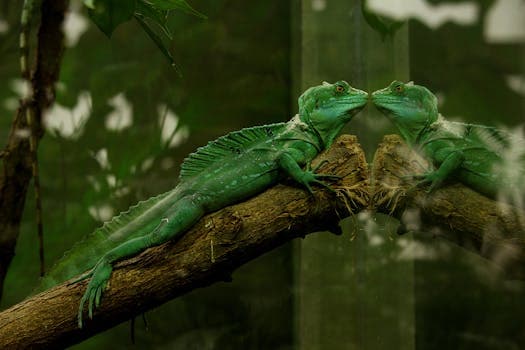
Reptiles and amphibians can thrive in well managed enclosures that mimic their natural habitats The right species in a proper setup can be engaging low maintenance pets However this category includes species with specific temperature humidity and lighting needs that must be met consistently to prevent illness or behavioral problems
Birds That Are Uncommon Yet Manageable At Home
Some less typical birds can adapt to home life with social interaction enrichment and robust veterinary access Parrots corvids and finches require daily engagement and safe secure housing Bird ownership often involves understanding vocalization behaviors and enrichment tools to prevent boredom and stress
Practical How To Steps For Welcoming An Exotic Pet At Home
Preparing for an exotic pet begins long before the animal arrives Floor space thinking about enclosure location and environmental controls matters The following steps provide a practical roadmap you can follow regardless of the species you choose
- Research local laws and licensing Check your city state and country regulations Some species require permits or may be banned Evaluate the legality and any ongoing compliance needs
- Assess your home environment Ensure space temperature humidity and noise levels suit the animal Select a quarantine area and plan for safe cleaning routines
- Design a species appropriate enclosure Provide bedding substrates ventilation exercise options and enrichment materials Tailor lighting and heating to species needs
- Secure wholesome nutrition plan Source reliable diet guides and veterinary support Learn about common dietary hazards and safe treats
- Find reputable caretakers and veterinarians Establish a relationship with a vet experienced in exotics Build a go to care team including a behavior consultant if needed
- Plan an enrichment and routine schedule Daily exercise social interaction and mental stimulation Prevent boredom and stress through varied activities
- Prepare for potential emergencies Have a first aid kit and emergency contacts Ready a plan for heat loss injury or illness
Conversation Starter: How To Introduce An Exotic Pet To Your Family
Introducing a new exotic pet in a household with kids or other pets requires careful planning You want to minimize stress protect existing pets and ensure a smooth transition Start with short calm interactions supervised visits And always prioritize the animal welfare over novelty

Case Studies: Real World Examples Of Exotic Pets In Homes
Case study one sugar glider owner highlights the importance of social housing and nighttime activity Case study two a reptile enthusiast explains enclosure design and consistent UVB lighting Case study three a keeper of tarantulas shares security considerations and stress reduction methods These examples show how preparation and ongoing care shape success
Legal And Ethical Considerations For Exotic Pet Ownership
Legal restrictions exist for many species and vary by region Ethical considerations include animal welfare the potential ecological impact and long term commitment Exotic pets are not disposable They require ongoing investment in time money and expertise
Health And Welfare: What To Watch For In Exotic Pets
Recognizing early signs of stress illness or poor welfare is crucial Regular veterinary checkups are essential Exotic pets may hide symptoms so proactive monitoring and a close relationship with a qualified exotics vet improves outcomes
Myths Versus Realities About Unexpected Exotic Pets
Common myths include assumptions that exotic pets are easier to care for or cheaper to maintain Reality often involves unpredictable behavior higher upfront costs specialized diets and continuous environmental control Honest education helps prevent heartbreak and financial strain
Conclusion: Is An Unexpected Exotic Pet Right For You
Deciding to bring an exotic pet into your home is a major decision that requires research planning and a clear commitment You should evaluate your lifestyle space budget and willingness to learn The right choice improves animal welfare and your overall satisfaction as a pet owner If you are ready to embark on this journey start with small steps and consult seasoned exotics professionals before finalizing any decision
Frequently Asked Questions
What is an exotic pet An exotic pet is any non traditional companion animal kept for companionship that is not a typical dog cat or small domestic animal Definitions vary by region and laws determine what is allowed
Are exotic pets legal everywhere No laws vary widely by country state and municipality Always verify local regulations and licensing requirements before acquiring any unusual pet
Do exotic pets require special care Yes They typically require tailored housing enrichment diets and veterinary care Specialists with exotics training are often needed
Can I keep more than one exotic pet together It depends on species temperament space and welfare considerations Inter species interactions can be risky and should be evaluated by a professional





