Home
Home
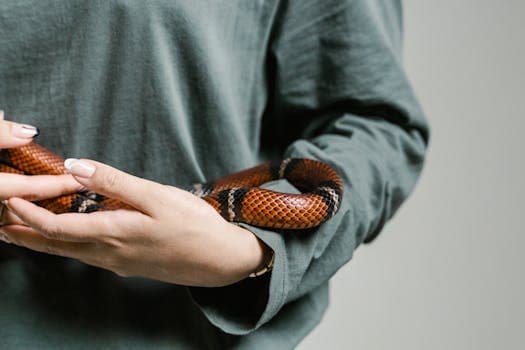
Introduction What every owner needs to know about exotic pet care
Many people are drawn to exotic pets by their striking appearances and unique behaviors. The reality is that exotic animals often require care that goes beyond traditional domestic pets. This article uncovers unexpected care needs and practical steps owners can take to keep these fascinating companions healthy and safe. If you currently own an exotic pet or are considering one, you will gain actionable guidance on nutrition, enclosure design, enrichment, medical care, and responsible ownership that helps you avoid common pitfalls.
What counts as an exotic pet and why do care needs diverge
Exotic pets are animals kept in captivity that are not typically domesticated animals such as dogs or cats. This category includes reptiles, rodents, birds, amphibians, marsupials, primates, and many small mammals. Because these animals evolved in diverse ecosystems, their needs are highly specific. Care requirements are shaped by native habitat, climate, social structure, and natural behaviors. The term exotic is closely tied to the hosts expectations and the animal welfare standards available in a given region. In practice, exotic pets demand careful attention to housing, temperature, humidity, lighting, diet composition, and social interaction to prevent stress, disease and behavioral problems.

How to assess the real needs of an exotic pet before bringing one home
Before adopting any exotic animal, you should assemble a practical care plan. Start by identifying species specific requirements for temperature ranges, humidity levels, light cycles, substrate choices, and safe handling practices. Create a written checklist that includes veterinary contact, reputable supplier information, and emergency steps. A key step is to verify legal restrictions, permit needs, and ethical considerations related to wildlife rescue and captive breeding. You should also consider your own daily routine and resources including time, space, and budget. In many cases, an exotic pet will thrive with a dedicated enclosure that mimics natural conditions rather than a generic cage.
Nutrition and feeding habits that surprise new owners
Exotic pets have nutrition profiles that are not interchangeable with household pets. For example, many reptiles require precise calcium to phosphorus ratios and UVB lighting to metabolize nutrients, while some birds need a diverse diet that includes insects, fruits, and specialized formulated feeders. Feeding mistakes are a leading cause of illness among exotic animals. A practical approach is to consult species specific dietary guides and work with a veterinarian who understands exotic nutrition. Always source high quality, species appropriate foods and avoid over sacrificing variety in favor of convenience. Monitor weight and body condition weekly to detect under or over feeding early.
Housing and enclosure design that reduces stress and promotes health
Enclosures should replicate essential environmental features such as temperature gradients, humidity, lighting cycles, shelter options, and enrichment opportunities. For reptiles, thermal zoning with basking and cooler zones is critical to digestion and metabolism. For small mammals and birds, safe climbing structures, nesting sites, and dust free substrates are essential to respiratory health. The housing should be escape proof and free of hazardous materials. Regular cleaning routines, safe access for veterinary care, and discreet location away from extreme drafts are practical maintenance tips. A well designed enclosure supports natural behaviors and reduces stress related illnesses.
Enrichment and behavioral needs that prevent boredom and aggression
Exotic pets thrive when they have mentally stimulating activities that mirror their natural foraging and social behaviors. Enrichment ideas include varied feeding methods, scent trails, puzzle feeders, supervised play sessions, and opportunities for climbing or digging. Social requirements vary widely; some species are solitary and become stressed when housed with others, while others benefit from companionship if compatible. Observing daily activity patterns helps you tailor enrichment to peak times, preventing nocturnal or crepuscular stress if enrichment is insufficient. Consistency and gentle handling build trust and reduce fear based aggression.
Medical care and common health issues that surprise owners
Veterinary care for exotic pets often requires specialized knowledge and equipment. Routine physical exams, parasite screenings, dental checks, and vaccines where appropriate can extend health and longevity. Common issues include metabolic bone disease in reptiles due to improper lighting, dental disease in small mammals, obesity in birds, and gut stasis in prey species. Preventive care also includes safe socialization practices and early detection of behavioral changes that indicate pain or illness. Establish a relationship with a vet who has experience with the specific species and a plan for after hours emergencies.

Training and handling strategies that respect instinct and safety
Handling and training should always prioritize safety for both owner and animal. Gentle, positive reinforcement methods work best and avoid forcing animals into uncomfortable positions. Start with short sessions that align with the animal’s natural activity cycle. Use appropriate equipment such as gloves, restraint devices, or carriers when necessary. Training goals may include cooperation for health checks, weight monitoring, or enclosure feeding routines. Regular, predictable handling helps reduce stress during veterinary visits and maintenance chores.
Legal and ethical considerations for exotic pet ownership
Ownership legality varies by country, state, and municipality. Some species are protected, require permits, or are subject to import restrictions. Ethical considerations extend beyond legality to include the animal’s welfare in captivity, availability of appropriate care, and potential ecological impact if the animal escapes or is released. Responsible ownership requires ongoing education, adherence to welfare standards, and a willingness to rehome or seek sanctuary if life circumstances change. Make sure your plans align with local regulations, and engage with reputable rescue organizations if you need to rehome an exotic pet.
Practical step by step guide to creating a safer and healthier home for an exotic pet
- Define species specific needs including temperature, humidity, lighting, diet, and shelter. Create exact targets for your home setup.
- Invest in a suitable enclosure and safety features like locks, secure lids, and non toxic materials. Ensure easy access for regular cleaning and medical checks.
- Design a nutrition plan with input from a veterinarian. Include variety while maintaining safety and nutritional balance.
- Establish a daily and weekly care routine. Include enrichment activities, health monitoring, and enclosure maintenance.
- Arrange veterinary support and emergency contacts. Keep records of vaccines, treatments, and health notes.
- Educate all household members on handling and safety procedures. Use clear guidelines for guests and children.
- Evaluate long term availability of space and resources. Reassess every six to twelve months to adjust care as the animal grows or changes.
Comparing care needs across common exotic pet categories
Use this quick comparison to understand broad differences in care for reptiles, birds, and small mammals. Reptiles typically require warm environments, UV exposure, precise humidity, and controlled feeds. Birds demand spacious cages, varied diets, and social interaction, along with regular dental and feather care. Small mammals often need enrichment, gentle handling, clean habitats, and monitoring for dental or digestive issues. Though each species has its own specifics, the overarching principles of stable housing, balanced nutrition, enrichment, and regular veterinary care apply universally.
FAQ How to handle common questions about exotic pet care
Q how much space does an exotic pet need A space requirements vary widely by species and activity level. Always provide a vertical and horizontal environment to allow natural movement. Avoid overcrowding and ensure escape proof enclosures.
Q are exotic pets a good choice for families A good choice only if the entire household commits to ongoing care, safety, and time. Some species require daily attention and specialized veterinary services that may be hard to access in some areas.
Q what is the best way to find a veterinarian for exotic pets Start with local referrals, then verify credentials and experience with the specific species. Schedule a consult to discuss preventive care plans and emergency protocols.
Conclusion A practical roadmap for responsible exotic pet ownership
Exotic pets bring wonder and diversity into a home, but they also demand specialized care that goes beyond ordinary pet ownership. By understanding species specific needs, creating safe housing, providing proper nutrition, and committing to regular veterinary care, owners can reduce health risks and improve life quality for their animals. The most important takeaways are to plan thoroughly before adoption, maintain ongoing education, and engage with qualified professionals. If you own an exotic pet or are considering one, start with a clear care plan, verify legal and ethical considerations, and build a network of support that includes a trusted exotic animal veterinarian and reputable rescue organizations. Your careful preparation will pay dividends in the form of a healthier pet and a safer, more rewarding relationship with your remarkable companion.