Home
Home
Introduction
You want a truly unique companion, but choosing an unusual exotic pet comes with responsibility, careful research, and a clear plan for daily care. This guide answers what constitutes an unusual exotic pet, why their care needs differ from typical household animals, and how to prepare your home and routines to support health and well being. You will learn practical, actionable steps to evaluate options, set up enclosures, handle feeding, and monitor welfare for five compelling species that fall outside traditional pet choices.
Exotic pets are defined as animals kept in a non native environment for companionship. They may require specialized diets, climate controls, enrichment, and regular veterinary oversight. When you adopt an unusual pet, you are committing to understanding their natural history, behavior, and potential risks for both animal and owner. This article uses real world considerations to help you decide if an unusual exotic pet is right for you and your household.

What makes an exotic pet unusual and what are common care needs
Unusual exotic pets are those that are less commonly kept in homes, often requiring specific climates, specialized diets, and careful handling to prevent stress or injury. Care needs commonly include stable temperatures and humidity, sizable enclosures, enrichment that mirrors natural foraging or climbing, and regular medical checkups with a veterinarian who specializes in exotic species. The goal is to replicate natural behaviors while ensuring safety and welfare for both animal and owner.
For many owners, success hinges on early preparation, including consultations with qualified exotic animal veterinarians, sourcing appropriate housing, and learning what signs indicate distress or illness. The following sections break down five unusual exotic pets, with practical care steps, realistic expectations, and tips for avoiding common pitfalls.
How to choose an unusual exotic pet you can responsibly care for
Choosing an unusual exotic pet starts with self assessment, research, and a firm budget. Consider your living space, climate control capabilities, time you can devote to daily care, and potential legal restrictions in your area. The steps below help you make a grounded decision that prioritizes animal welfare and owner safety.
- Assess space and climate Understand whether your home can maintain the temperature and humidity levels needed for the species you are considering. Some animals need heat sources, UV lighting, or specific substrates to stay healthy.
- Evaluate daily care commitments Exotic pets may require long enrichment sessions, frequent handling limits, or specialized feeding schedules. Plan consistent routines to reduce stress.
- Consult a specialized veterinarian Find a vet with training in exotic species. Regular wellness visits can catch issues early and tailor preventive care to the animal.
- Understand legal and ethical considerations Some species are regulated or restricted. Always choose sources that prioritize welfare and legality, and avoid wild caught animals when possible.
- Develop a long term plan Exotic pets can live many years. Ensure you have the time, resources, and willingness to provide care for the animal across its lifespan.
With these considerations in mind, you can embark on a journey to select a pet that fits your lifestyle while delivering a high standard of welfare. The next sections dive into five unusual options, each with a realistic look at care needs, housing, feeding, enrichment, and common health concerns.
What are the top five unusual exotic pets for thoughtful owners
The following species are popular among experienced hobbyists because they provide engaging behavior and unique interactions, but they require careful planning, domestic readiness, and ongoing education for you as an owner. The focus here is practical care, not novelty alone.
1. Sugar gliders
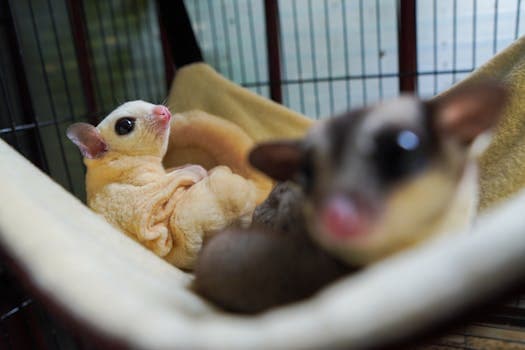
Sugar gliders are small, nocturnal marsupials native to Australia and nearby regions. They are social animals with active gliding abilities and complex vocalizations. In captivity, they require spacious enclosures, a varied diet, and daily social interaction or time outside the cage.
Care essentials include a tall, secure cage with multiple levels, safe climbing branches, and enrichment toys. A diet combining nectar, pollen, insects, and specially formulated pellets supports balanced nutrition. Hydration is important, with fresh water provided daily and humidity maintained to mimic their rainforest habitat. Regular veterinary checks help monitor dental and metabolic health, which can be a concern if the diet is unbalanced.
Handling sugar gliders should be gentle and gradual. They can become stressed by loud noises or rough handling, so it is important to learn their body language. A long acclimation period helps ensure a calm bond and reduces potential aggression or fear responses.
When considering a sugar glider, think about the long term commitment and the need for a social pair if you are away during the day. The cost of proper cages, temperature control, and continuous enrichment can be substantial, but many owners report a rewarding companionship when care routines are consistent. For pet owners looking to explore glider care more deeply, a visit to a veterinary guide on exotic mammals can provide tailored nutrition plans and health monitoring tips. See how to keep a home ventilated and clean to reduce odor buildup and maintain a healthy habitat.
The topic of diet is especially important for sugar gliders. For practical dietary ideas check how to feed baby rabbits as a reference for balanced small animal nutrition and adjust for marsupial needs. Additionally, safe feeding practices and hydration strategies are essential for long term wellness and are often discussed in veterinary care guides for exotic species.
Important care considerations for sugar gliders include: regular cage cleaning, enrichment activities, and observation for signs of distress or illness such as changes in appetite or activity levels. For more information about maintaining a healthy environment for small exotic marsupials, consider a dedicated guide on enrichment and space planning in exotic pet housing.
2. Fennec foxes
Fennec foxes have iconic oversized ears and a compact, desert adapted body. They are intelligent and curious but require a substantial commitment that includes climate control, secure fencing, and specialized enrichment. They are not illegal everywhere, but many regions require permits or prohibit private ownership entirely due to welfare concerns and public safety considerations.
Care essentials include an environment with cool, dry air and ample enrichment opportunities to prevent boredom and destructive behaviors. A large enclosure with secure, escape proof fencing and sturdy substrates helps mimic their natural digging tendencies. A diet of high quality protein, poultry or insect protein, and carefully balanced supplements supports metabolic health. Veterinary oversight with someone experienced in carnivorous and canid like species is critical for monitoring dental wear and dietary needs.
Handling fennec foxes requires experience and calm technique. They should not be kept as impulsive pets; ownership should come after thorough planning, permits, and local regulations. Ethical considerations include ensuring the animal has access to appropriate social contact and enrichment rather than loneliness or overstimulation. For readers curious about the welfare standards of advanced exotic pets, there are guides on enclosure design and enrichment that offer practical layouts and permit steps in your area.
In terms of daily life, fennec foxes benefit from predictable routines, ample playtime, and safe, engaging toys that encourage digging and foraging. The owner should invest in a robust veterinary relationship for ongoing health checks and preventative care, including parasite control and dental maintenance. A well managed environment reduces stress and increases the chance of a long, healthy life for this spectacular creature.
For parents and households, consider whether a fennec fox fits with children and other pets. It is common to see discussions about socialization strategies and boundaries, as well as safety considerations when mixing exotic mammals with dogs or cats. If you are new to exotic pets, this species is usually not the best starting point and should be pursued only after extensive learning and practical preparation.
3. Hedgehogs
European hedgehogs are a familiar symbol of small, spiky creatures, but pet hedgehogs commonly kept are the African pygmy variety. Hedgehogs are relatively small, nocturnal, and can be charming companions when provided with a comfortable space and consistent routine. They require a dry, quiet habitat with a secure enclosure to prevent escapes and injuries. A safe nesting area and appropriate substrate help minimize stress during daytime rest periods.
Diet typically includes high quality hedgehog food or cat food supplemented with insects, fruits, and vegetables. Hydration is essential, and some owners provide a shallow water dish as well as a humidity appropriate humidity level to support skin and respiratory health. Hedgehogs respond well to gentle handling, but their shy nature means patience is important, especially during the introduction phase.
Health concerns for hedgehogs include dental issues, obesity, and parasites. Regular veterinary visits with a practitioner who understands exotic species help track weight, dental health, and nutrition. Enrichment can include foraging puzzles, tunnels, and climbing structures to keep them mentally stimulated in a compact habitat. You may want to explore how to clean a dog wound as a reference for routine care routines that emphasize cleanliness, which is also crucial for hedgehogs in preventing skin infections and keeping habitats hygienic.
Hedgehogs can be a good fit for owners who want a small, interactive exotic pet with moderate care demands. They are best suited for experienced owners who can commit to daily observation, a consistent schedule, and careful handling to prevent stress or injury.
4. African crested anoles and other arboreal lizards
Arboreal lizards such as African crested anoles present a visually striking option for reptile enthusiasts. They typically require warm, humid environments and vertical enclosures that allow climbing and basking. A glass terrarium with proper ventilation and a heat gradient helps maintain metabolic health and activity levels. They thrive with a structured feeding schedule that includes live insects and appropriate greens, along with vitamin supplementation when advised by a veterinarian.
Care essentials include a stable enclosure temperature, humidity control, hiding places, and UVB lighting to support metabolism and shell health. Handling should be minimal to reduce stress, and all activities should be performed with clean hands and careful support of limbs to prevent injuries. Regular health checks focus on skin condition, shedding quality, and signs of respiratory distress, which can indicate humidity or heating issues.

Arboreal lizards benefit from environmental enrichment such as live plants that are safe for reptile habitats, branches of varying diameters for climbing, and insect foraging opportunities. It is important to avoid overfeeding and ensure you are providing a balanced diet appropriate for the species. If you are exploring the care of lizards in home settings, you may also explore articles on general reptile care and habitat setup for more ideas on substrate choices and enclosure design.
As with all reptiles, a reliable veterinary partner who specializes in reptiles is essential. They can help tailor diet plans to life stage and size and recommend routine diagnostics to detect early signs of metabolic or nutritional disorders. With careful planning, arboreal lizards can be rewarding yet challenging companions that reward patient owners who invest in high quality husbandry.
5. Sugar glider family cabins and apiary related exotic pets
This section briefly touches on another category of unusual pets, often chosen by keepers who want highly interactive, tiny creatures with unusual features. It is essential to note that proximity to bees and beekeeping spaces can raise safety concerns for both animals and people. If you are interested in this area, speak to a veterinary specialist about how to manage acutely allergenic or protective behaviors in these small exotic companions. In many places, specialized housing and legal permits govern these species, and a careful assessment of local regulations is essential.
Practical care principles for any unusual small pet include environmental stability, enrichment tailored to natural behaviors, and regular health checks with a professional who understands the species. This overview shows the breadth of options and highlights the need for thorough planning, not impulse buys, when pursuing unusual exotic pets.
Housing, enrichment and daily care for unusual exotic pets
Across these five examples, you will find core care themes that help you build a safe and engaging home environment. Housing should mimic natural movement patterns, provide safety from hazards, and enable easy cleaning and maintenance. Enrichment should stimulate foraging, exploration, and social interaction as appropriate for the species. Daily care includes feeding schedules, water access, temperature and humidity monitoring, and health observations to catch early warning signs.
Let us drill into practical steps you can implement right away. For housing design, plan a cage or enclosure with space to move and climb, but ensure that doors, latches, and substrate are secure and appropriate for the animal. For enrichment, rotate toys, provide hiding places, and schedule supervised play or out of enclosure time regularly. When it comes to feeding, keep a consistent routine and offer a balanced diet tailored to the species, consulting with a veterinarian to adjust portions and nutritional components over time. Finally, build a relationship with a vet who understands exotic species so that routine wellness visits catch issues early and keep your pet healthy for years to come.
Diet and nutrition basics for unusual exotic pets
Nutrition is a foundational pillar of wellbeing for unusual exotic pets. Each species has unique dietary needs that require careful planning and sometimes supplementation. Here is a quick overview of dietary considerations for the five species discussed above, along with practical tips you can implement today.
- Sugar gliders benefit from a mixed diet that includes nectar like formulas, insects for protein, fresh fruits, and greens in careful portions. Avoid overfeeding high sugar items that can lead to obesity or dental issues. Regularly monitor weight and body condition to adjust portions accordingly.
- Fennec foxes require a high protein balanced diet with careful attention to fat content and metabolic needs. Fresh water must be available at all times, and avoid processed foods that are not appropriate for canid like metabolism. Consider consulting a veterinary nutritionist to tailor diet and supplements.
- Hedgehogs are omnivores that do well on a variety of proteins, insects, and plant material. A formulated hedgehog diet can be supplemented with appropriate greens and occasional fruits, while avoiding foods that are toxic to small mammals.
- A T five lizards need live insects and greens with vitamin supplementation. It is essential to offer a calcium or vitamin mix to support bone health and proper shedding. Always be mindful of feeding schedules to avoid overfeeding and obesity.
For more guidance on nutrition as part of a holistic care plan, you can explore articles on how to cut dog hair or how to help my dog lose weight as analogies for disciplined routine and weight management, even though the species differ. Always adapt guidance to the needs of your specific exotic pet and in consultation with a veterinary professional.
Enclosure design and environmental controls
The enclosure is more than a container; it is the daily habitat that supports natural behaviors and welfare. Enclosures should be sized to your animal and allow for vertical space, climbing opportunities, hiding places, and appropriate substrates. Temperature and humidity controls must be tailored to the species, including heat mats, basking lamps, or misting systems where needed. Regular cleaning and odor control help maintain health and comfort for both pet and owner.
When designing enclosures, avoid common mistakes such as overcrowding or hazardous substrates that can harbor bacteria. For arboreal lizards, ensure UV light is positioned correctly for deposition and metabolism. For small mammals such as sugar gliders, multi level enclosures with secure doors prevent escapes and provide space for social interactions. A well thought out habitat is a cornerstone of responsible exotic pet ownership and a key factor in avoiding behavioral problems and stress-related illness.
Behavior and social needs
Behavior and social needs vary widely across unconventional pets. Sugar gliders are highly social and typically thrive with companionship, either a bonded pair or a structured social routine. In contrast, hedgehogs are more solitary and can become stressed with excessive handling or crowding. Arboreal lizards generally prefer limited handling and consistent routines, while fennec foxes require consistent social interaction, training and a secure environment to prevent digging or escape attempts.
Understanding stress signals is essential. Look for changes in appetite, activity level, grooming behaviors, or vocalizations as early signs of distress. A calm, predictable routine helps reduce anxiety and supports a healthier relationship between you and your pet. Engaging in enrichment activities that align with natural instincts is a practical way to keep these animals mentally engaged and physically healthy.
Health monitoring and veterinary care
Exotic pets require veterinary care from professionals who specialize in non traditional species. Seek a veterinarian with proven experience in exotic animal medicine and a history of successful treatments for the species you own. Regular wellness checks, parasite control, dental care, and vaccinations when appropriate are critical components of ongoing health, and you should plan for yearly or semi annual visits depending on risk factors.
Common health concerns include dental issues in small mammals, obesity in sugar gliders, skin and respiratory problems in lizards, and dental wear in carnivorous canid like species. Early detection improves treatment outcomes and can extend the animal’s life. Always maintain current records of vaccinations, treatments, and immunizations and discuss any changes in behavior or appetite with your veterinarian promptly.
Legal and ethical considerations
Ownership of exotic pets is subject to local, state or national regulations. Some species may be restricted, require permits, or be prohibited. Ethical considerations include preventing the capture of wild specimens, supporting captive bred individuals, and ensuring that your pet receives appropriate care. Responsible owners also consider the environmental impact of keeping an exotic animal and take steps to minimize stress and injury through proper handling and housing.
Frequently asked questions
Are exotic pets legal in my area Legal status varies by location, and it is essential to check local laws before acquiring any unusual pet. Consult with local authorities or a qualified exotic veterinarian to ensure compliance and welfare considerations.
How much does it cost to care for an unusual exotic pet Costs include enclosure, lighting, climate control, enrichment, food, veterinary care, and permits where required. A thorough budget that accounts for long term care is essential for sustainable ownership.
Can these pets be kept with other pets Compatibility depends on species temperament and space. Supervised introductions and safe housing are critical to reducing risk for both the exotic animal and any household pets.
How long do these pets live Lifespan varies widely by species and individual health. Sugar gliders can live 12 to 15 years, hedgehogs around 4 to 7 years, fennec foxes 10 to 14 years, and arboreal lizards may live 5 to 20 years depending on species and care quality. Plan for the long term commitment from the outset.
Conclusion and next steps
Choosing an unusual exotic pet can be a deeply rewarding experience when you plan carefully, prioritize welfare, and commit to long term care. The five species discussed offer unique interactions and learning opportunities but require thoughtful preparation, dedicated housing, consistent enrichment, and professional veterinary care. If you are a potential owner reading this, take the time to assess your living space, climate control, time, and budget in light of these care needs. A well designed habitat, a thoughtful feeding plan, and a strong veterinary relationship form the backbone of a successful and ethical exotic pet journey.
Ready to start your journey with an unusual exotic pet? Begin by evaluating your space and budget, then reach out to a local exotic animal veterinarian for an initial consultation. Your careful planning now will pay dividends in the health and happiness of your future companion.