Home
Home
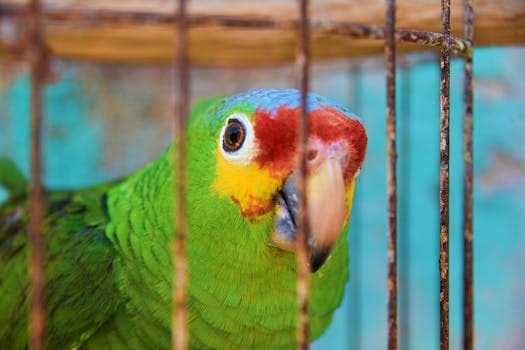
Introduction what you need to know about exotic pet care
Are you a curious owner drawn to animals beyond the ordinary pet list? Responsible exotic pet care is essential because these species have needs that differ greatly from common dogs and cats. This article provides practical guidance to help you meet welfare standards, prevent harm and create a safe, enriching environment for your unusual companion. You will learn how to assess whether an exotic pet fits your lifestyle, how to prepare a proper habitat, and how to recognize signs of stress or illness early so you can act promptly and ethically.
Exotic pets are a broad category that includes reptiles, birds, small mammals, amphibians, and invertebrates. The phrase exotic pet care is about understanding species specific needs, ensuring legal and ethical sourcing, and committing to long term welfare. This is not a quick hobby but a serious responsibility that requires ongoing education and community support. By starting with clear goals and practical steps you can shape a home that respects animals as sentient beings and keeps your family safe and informed.

What is meant by exotic pets and why does care matter
Exotic pets are animals kept as companions that are not traditionally domesticated for household life. They include animals such as sugar gliders, geckos, tarantulas, capybaras, parrots, and hedgehogs among many others. Caring for these species involves understanding their natural behaviors, dietary needs, space requirements, social needs, and potential zoonotic risks. Effective care means meeting these needs consistently and avoiding shortcuts that may lead to stress, disease, or welfare concerns.
Care matters because exotic species often show subtle signs of distress. They may not vocalize discomfort in ways familiar to dog and cat owners. Proper care reduces behavior problems, supports immune function, and prevents injuries from improper handling or housing. Responsible care also involves considering legal restrictions, shipping and sourcing ethics, and the availability of veterinary specialists who understand these animals.
Is an exotic pet right for you and your household
If you are considering an exotic pet, ask yourself whether you have the time, resources and commitment required for long term care. Is your home a suitable space with safe enclosures, climate control, and enrichment options? Are you prepared to invest in specialized foods, veterinary care, and continuous training? Are you willing to invest in reliable information sources and local support networks? If the answer is yes, proceed with careful planning and a clear before you buy checklist to avoid impulse purchases.
Important considerations include local laws on ownership, potential licensing, and the risk of confiscation if regulations change. Some animals require permits or microchipping, and many species cannot be shipped across state or national borders. Ethical sourcing matters too; choose reputable breeders or rescue groups that prioritize welfare and genetic health rather than mass production. You should also consider the animal’s lifespans, which can range from a few years to several decades, requiring long term financial and emotional planning.
How to evaluate species suitability for your home
First you should identify the species you are interested in and gather credible information. Read authoritative care guides, consult veterinarians, and join reputable online communities for reliable, evidence based advice. Second, analyze the animal’s energy level, social needs, and dietary complexity. Third, assess housing requirements such as temperature gradients, humidity, lighting cycles, and space. Finally, consider potential risks to household members including children, other pets, and visitors with allergies.
Practical steps you can take now include creating a fact sheet for your potential pet and visiting a local rescue or accredited facility to observe the animals in person. If you notice signs of extreme stress during initial interactions, pause the process and reassess your readiness. A careful pre purchase plan reduces the chances of impulse buys and supports better welfare outcomes for the animal.
What to know about housing and enclosure design
Housing is a core aspect of exotic pet care. An appropriate enclosure should mimic the animal’s natural environment while allowing for safe handling and cleaning. For reptiles, this means a terrarium with precise temperature zones and appropriate lighting. For small mammals, secure cages with enrichment such as tubes, climbing structures and nesting materials. Birds require spacious flight cages, proper perches and stimulation to prevent behavioral problems. Amphibians thrive in humidity controlled environments with clean, dechlorinated water, while invertebrates need substrate and moisture tailored to their species.
Key design principles include stable temperature gradients, cleanable materials, humidity control where needed, and escape prevention. Enrichment should encourage natural behaviors and reduce boredom; rotate toys and layout to keep the animal mentally engaged. Regular cleaning protocols protect against disease and maintain a safe living space for you and the pet. Always ensure safe access for routine care, feeding, and veterinary visits without creating hazards for children or other pets in the home.
Diet and nutrition strategies for common exotic species
Diet is a major welfare component. Exotic species have specialized nutritional requirements that differ from common domestic animals. For example, some reptiles require calcium rich diets with appropriate UVB exposure; certain birds need a variety of fruits, vegetables and seed mixes to balance micronutrients; small mammals often rely on high fiber and low sugar forage. Always source species specific diet guidelines from credible veterinary sources and avoid generic pet foods that are not tailored to species needs.
Practical tips include measuring daily portions, offering a mix of fresh foods with fortified options, and monitoring weight to detect health changes early. Prepare meals in clean areas and remove uneaten fresh food promptly to prevent spoilage and bacterial growth. For water, provide clean, fresh supplies and change regularly. Some species require supplementation such as calcium plus vitamin D for reptiles; discuss with a vet to determine appropriate dosages and avoid overdose. Keep a feeding log to track dietary changes and health indicators over time.
Healthcare and veterinary considerations specific to exotic pets
Exotic pets often require veterinary care from specialists who understand non traditional species. Routine wellness checks should be complemented by disease surveillance, parasite prevention, and vaccination where indicated. Build a relationship with a veterinarian who has experience with exotics and a clinic that supports diagnostic tests using appropriate anesthesia and handling procedures for sensitive species.
Effective healthcare begins with preventive care. Schedule regular checkups, dental screenings where relevant, and parasite control. Be vigilant for subtle signs of illness such as changes in appetite, activity levels, coat condition or fecal consistency. Early intervention improves outcomes and can be less costly than treating advanced disease. Always transport animals safely using appropriate carriers and follow veterinary guidelines for travel and quarantine when bringing new animals into the home.
Training, enrichment and behavioral welfare for exotic pets
Behavioral welfare is central to a healthy exotic pet. Use positive reinforcement based training to encourage calm handling, target feeding, and safe cooperation during routine care. Enrichment should mirror natural behaviors such as foraging, climbing, exploring, and scent exploration. Rotating enrichment items, providing opportunities for hiding and climbing, and maintaining predictable routines help reduce stress and prevent problem behaviors.

When you notice signs of stress such as repetitive pacing, self directed behaviors, aggression or withdrawal, pause and reassess the environment. Consult a behaviorist with experience in exotic animals to tailor strategies to the individual. Remember to balance enrichment with safety, avoiding materials that could cause injury or ingestion hazards. Include your entire household in the plan to ensure consistent handling and respect for the animal across members.
Legal and ethical considerations when owning exotic pets
Legal considerations vary widely by country, state and local municipality. Some species are protected or require permits, while others may be prohibited entirely. Ethical considerations include ensuring the animal is not captured from wild populations and that the pet is sourced from reputable breeders or rescues that prioritize welfare. Responsible owners should document provenance, registrations, and health records to support ongoing welfare and legal compliance.
Always verify legal requirements before purchase and understand the responsibilities of long term care. If you cannot meet the animal recordably, it is better to reconsider ownership. By choosing ethical sourcing, you support species conservation and reduce the risk of contributing to illegal wildlife trade. A careful approach to law and ethics protects both you and the animal from future problems and enhances overall welfare outcomes.
Emergency planning and safety for households with exotic pets
Create a practical emergency plan that covers illness, injury, and natural disasters. This plan should include a list of emergency contacts, a transport kit with species appropriate restraints and carriers, and a designated safe room or travel space. Train all household members on how to handle the animal safely and avoid situations that could provoke fear or aggression. Keep a keeper log of daily routines, feeding schedules, and notable events to assist medical professionals during urgent care.
Safety extends to the home environment. Ensure that enclosures are secure, escape proof, and free from hazards such as exposed wiring, small crevices, or dangerous substrates. Regularly inspect equipment and replace worn components. By preparing in advance, you reduce risk and increase the chances of a calm and timely response during emergencies.
How to build a practical care plan from day one
Begin with a clear, written care plan that covers housing, diet, daily routines, enrichment, veterinary care, and emergency procedures. Include a weekly and monthly checklist to stay on track. Schedule regular reviews of the plan as your pet grows or changes in needs occur. Record observations such as appetite, activity, shedding, and behavioral changes to detect early warning signs of health issues.
Involve family members by assigning roles and creating a shared calendar for feeding times, cleaning cycles, and veterinary appointments. Use a dedicated space for health records and care notes to ensure easy access for all caregivers. A well documented plan supports consistency, reduces stress for the animal and increases confidence in your ability to provide responsible care.
Practical case examples and actionable tips
Case example one involves a sugar glider pair living in a multi level enclosure with proper temperature zones, safe nesting options, and daily social interaction. The owner maintains a food plan that includes fresh fruits, nectar supplements, and protein sources while monitoring weight and activity. Case example two features an outdoor aviary for small parrot species with weather protection, secure doors, perches at varying heights, and enrichment for foraging. Both cases illustrate proactive planning, observation, and ongoing learning as core elements of responsible care.
Actionable tips you can implement this week include establishing a dedicated feeding and care space, setting a reminder system for cleaning and enrichment, and creating simple enrichment routines that align with the animal natural behavior. Start with small, consistent improvements and track the effects on wellbeing over time. This approach yields sustainable progress toward higher welfare standards.
Conclusion what you need to remember about responsible exotic pet care
Responsible exotic pet care combines careful species selection, ethical sourcing, appropriate housing, species specific diets, preventive healthcare, enrichment, and clear safety plans. It is about protecting animal welfare as a central priority while recognizing your own capabilities and limits as a caregiver. By adopting the steps outlined in this guide, you can build a resilient care routine that supports health, behavior, and lifelong well being for your unique companion. Remember to engage with reputable communities, pursue ongoing education, and seek expert veterinary guidance whenever you face uncertainties.
As a curious owner, your next steps should be to assess readiness, seek reputable sources of information, contact a qualified exotic pet veterinarian, and start a comprehensive care plan tailored to your chosen species. With careful planning and commitment, exotic pet ownership can be a rewarding and ethical experience for both you and your animal.
Frequently asked questions
What makes exotic pets challenging to care for Exotic pets require species specific housing, diet, and health care. They may be sensitive to changes in temperature, humidity, or handling and often need specialized veterinary support. Social and enrichment needs can be high and require consistent daily attention.
How do I know if my home is suitable for an exotic pet Assess housing space, climate control capabilities, safety for children and other pets, and access to veterinary care. If any of these are uncertain, seek expert guidance before bringing an animal home.
Are there legal restrictions I should know about Yes, many species are regulated or prohibited in certain areas. Always check local laws, permits, and licensing requirements before purchasing and ensure ethical sourcing from reputable breeders or rescue organizations.
Final thoughts and next steps
Adopt a cautious, informed approach and prioritize welfare at every step of your exotic pet journey. Engage with certified resources, join local or online communities for ongoing support, and schedule regular veterinary checkups. Your dedication to responsible care will pay off in healthier animals, safer homes, and a more enjoyable experience for you and your family.