 Home
Home
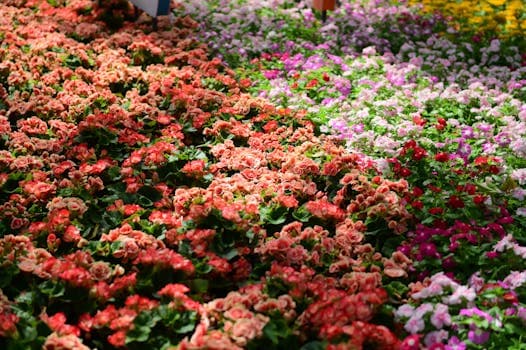
Cities often feel like concrete deserts, but they can be gateways for wildlife when gardens are designed with habitat in mind. By transforming small patches of pavement into lively green spaces, pet owners can support birds, pollinators, frogs, and small mammals right outside their doors. The payoff isn’t just ecological; it’s a richer, more enjoyable outdoor experience that enhances your daily life and, importantly, its impact on local ecosystems.
Why urban gardens matter for wildlife
Urban habitats are fragmented and unpredictable. Native plants, seasonal flowers, and sheltering structures give wildlife reliable food sources and safe places to rest and breed. Simpler lawns replaced with diverse plantings create a year-round buffet for pollinators and a network of microhabitats for birds and insects. In addition, gardens can serve as migration stopovers and winter refuges when designed with climate-smart choices.

What wildlife to expect in a well-designed urban garden
Expect a spectrum of visitors – from hummingbirds and sparrows to frogs in a shallow pond and hedgehog-like creatures at night where legal. The more layers you add – ground cover, shrubs, and vertical elements – the more niches you create. It’s not about a single superstar species; it’s about a resilient, interconnected community.
Fundamental design principles
Effective wildlife-friendly gardens balance food, shelter, water, and safety. Start with native plants that are adapted to your climate and soil. Native species attract local insects, which in turn attract birds and other wildlife. Create layered habitats: ground cover for insects, mid-level shrubs for shelter, and high branches for nesting and perches.
Food sources that attract wildlife
- Native flowering perennials for nectar in spring and summer.
- Fruit-producing shrubs and trees for winter sustenance.
- Seeding annuals and grasses that feed a range of insects.
Avoid chemical pesticides that kill beneficial insects. Instead, use targeted, pet-friendly options and embrace natural control methods like observing and encouraging predator species such as birds.
Water as a magnet
- Shallow, accessible water features invite birds and small amphibians without becoming a safety hazard for pets.
- Birdbaths, shallow dishes, and tiny ponds should have gently sloping edges for easy exit.
Clean water regularly and provide a shade edge where wildlife can feel secure while drinking or bathing. If you’re concerned about maintenance, choose features that are easy to reach and clean.
Shelter and nesting opportunities
Leaf piles, log piles, brush, and dense shrubs create hiding places for small creatures during hot days and cold snaps. Birdhouses and trellises support nesting for different species. Always ensure nesting sites are placed safely away from garden activities that frighten wildlife or disrupt breeding.
Plant choices that support wildlife
Choose a mix of natives and regionally appropriate ornamentals. A staggered bloom schedule keeps food available for pollinators from early spring through late fall. Include evergreen elements for winter shelter and year-round structure. Remember: variety is key, not just quantity.
Planting strategies
- Group plants by height to create microhabitats and reduce erosion.
- Use diverse leaf textures and shapes to support different insect species.
- Establish a small wildflower meadow area if space allows.
Even in small balconies or terraces, you can layer pots and vertical planters to maximize habitat complexity. Consider rainwater harvesting to sustain plantings during dry spells, which also reduces runoff and supports local wildlife.
Water features for wildlife and pets
Water is a powerful attractant. A well-placed container fountain or a shallow pond can bring in birds, dragonflies, and amphibians. Place water sources away from high-traffic pet zones to minimize conflict. Keep containers shallow and provide easy exits for small animals and pets alike.
Maintaining balance with pets
As a pet owner, you’ll want to safeguard wildlife while keeping your companion safe. Fencing, mulched paths, and designated wildlife zones reduce surprise encounters with curious pets. Use pet-safe repellents and avoid toxic sprays on plants that wildlife frequently visits.
Guarding birds and small mammals
Netting over fruiting plants, providing covered foraging areas, and placing feeders in low-disturbance zones can help birds thrive without becoming easy targets for roaming pets. Monitor bird nests and avoid accessing nesting sites during breeding seasons to prevent disruption.

Seasonal tactics for year-round habitat
Wildlife needs shift with the seasons. Spring is about flowering abundance and nesting; summer focuses on water and shade; autumn highlights seeds and shelter; winter emphasizes evergreen cover and warm microhabitats. Plan your garden to deliver consistent resources across calendars.
Common wildlife visitors and how to welcome them
Birds often lead the charge, but the garden can also host pollinators, amphibians, small mammals, and beneficial insects. A diverse insect population supports birds and bats, which in turn regulate pests. Notice which species regularly visit and adapt plantings to sustain them without encouraging nuisance behavior near homes or pet spaces.
Risks and responsibilities for urban wildlife gardens
Wildlife conflicts can arise when habitats attract animals too close to pets or human activity. Provide escape routes for shy visitors, avoid enticing species that become dependent on human food, and be mindful of municipal rules about wildlife feeding. If you notice injured wildlife, contact local rehabilitators rather than attempting rescue yourself.
Additionally, be cautious about introducing non-native plants that could become invasive or disrupt local food chains. Native plants are generally the safest bet for preserving ecological balance while supporting wildlife and pet safety.
Legal and ethical considerations
Urban wildlife often falls under local regulations, especially regarding feeding, nesting, and habitat modification. Learn about your city’s guidelines to ensure your garden supports wildlife without running afoul of rules. Ethical gardening means observing, learning, and adjusting practices to minimize stress on visiting animals.
How to balance urban gardens with pet safety
Design with safety in mind. Create separate zones where pets can roam without disturbing nesting birds or resting wildlife. Plant thorny hedges or use fencing to deter pets from sensitive areas. Schedule garden tasks to avoid disturbing wildlife during peak activity times, such as nesting and feeding.
Case studies: real-world urban wildlife gardens
Across cities, homeowners have transformed balconies and backyards into thriving wildlife corridors. These stories highlight practical tactics like vertical gardens, mulch zones for invertebrates, and micro-water features that survived seasonal changes. You can adapt these ideas to fit your space and climate while keeping your pet’s safety in focus.
Practical implementation checklist
- Assess your space: sun exposure, wind patterns, and drainage.
- Choose native plants and group them by size and bloom time.
- Introduce water with safe access and easy maintenance.
- Add shelter: log piles, shrubs, and birdhouses placed away from cat corridors.
- Establish pet-safe zones and clear boundaries for wildlife areas.
- Monitor and adjust: log wildlife sightings and modify plantings as needed.
- Educate household members about respectful wildlife interactions.
For families curious about specific animal interactions with urban setups, consider reading about how to manage turtle habitats in different environments. turtle release guidelines provide practical considerations for wildlife beyond birds and bees. If you’re exploring small terrarium or tank setups for education or hobby purposes, you can explore terrarium care guidance to learn what species require and how to maintain safe, legal environments.
Measuring impact: how to track progress
Start with simple metrics: plant bloom density, species sightings, and water feature usage. Record changes month-to-month to identify success factors and areas needing adjustment. If you involve neighbors or a local community garden, you can compare data across plots to map a functioning urban wildlife network.
Community and policy implications
Urban wildlife thrives when communities collaborate. Share plant lists, swap seeds, and organize garden tours to raise awareness. Local policies can encourage wildlife-friendly landscaping through incentives, native plant requirements, or reduced pesticide use. Engaging with neighbors helps scale impact beyond a single garden.
Urban gardens are more than decorative spaces; they’re vital microhabitats that support wildlife and enrich pet owners’ lives. With thoughtful plant choices, water features, shelter options, and pet safety measures, you can create welcoming, sustainable habitats that help wildlife thrive in the heart of the city. Start small, stay curious, and watch your garden unfold into a lively, interconnected ecosystem.





