Home
Home
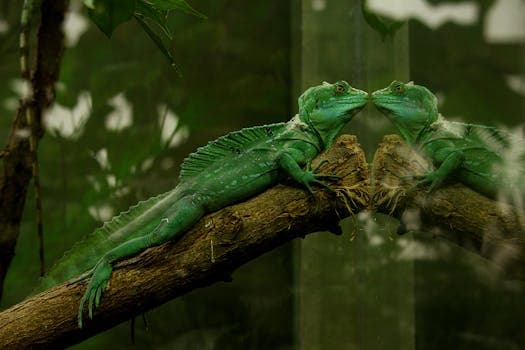
Bringing an exotic pet into your home can be a rewarding experience, but it also comes with responsibilities that are different from those of more common companion animals. This guide is designed to help pet owners understand what it takes to care for non-traditional species, from planning and legal considerations to daily husbandry, enrichment, and ongoing veterinary care. Whether you’re considering a small mammal, reptile, bird, or amphibian, thorough preparation helps ensure welfare for the animal and peace of mind for you.
Understanding the Commitment
Exotic pets bring unique joys, but they also require thoughtful planning and ongoing care. Before bringing any non-traditional animal into your home, research its natural behavior, dietary needs, housing requirements, and legal considerations. A well-prepared setup reduces stress for the animal and makes day-to-day living easier for you. For example, if you’re curious about small mammal care, resources like how to take care of a hamster provide practical insights into enclosure design, nutrition, and handling.

Start with a realistic assessment of your lifestyle, budget, and available space. Some exotics need highly specialized enclosures, regulated temperatures, and regular veterinary attention. If you’re unsure about your ability to provide proper care, consider alternative pets that fit your situation better. A thoughtful evaluation also helps you plan for long-term commitments, because many exotic species live well beyond a decade and require ongoing environmental control, daily enrichment, and preventive health care.
Legal and Ethical Considerations
Many exotic species are regulated at the local, state, or national level. Check permits, import restrictions, and housing standards before purchasing. Ethical ownership means sourcing animals from reputable breeders or rescue programs that emphasize welfare and health. Avoid wild-caught specimens when possible, as they can suffer from stress and disease and may be illegal to keep as pets. If you’re unsure about the legality of a potential acquisition, consult local animal control or a licensed veterinarian who can point you to compliant sources.
Respect local rules on private ownership, public safety, and animal welfare. Responsible owners also commit to proper socialization, enrichment, and ongoing veterinary care to ensure the animal’s quality of life. Part of this commitment includes understanding any transfer or rehoming options should life circumstances change, and researching reputable rescues or sanctuaries that specialize in the species you’re considering.
Choosing the Right Exotic Pet for Your Home
Exotic pets vary widely in temperament, activity levels, and care needs. Some species thrive in quiet apartments; others require outdoor space, UV lighting, or precise humidity. Start by matching the animal’s natural behavior to what you can provide. If you’re new to exotic care, start with species known for robust welfare in captivity and seek guidance from a veterinarian with experience in the animal’s taxon.
Consider the animal’s lifetime. Some small mammals live a decade or more, while reptiles and birds can surpass 20 years with proper care. Long-term planning helps you set up a durable support system, including a partner who understands the ongoing responsibilities. It’s also useful to evaluate how future changes (moving, work schedule, family changes) might affect daily care and whether a backup plan is in place for emergencies.
Housing and Enclosures
The right enclosure is foundational to an exotic pet’s health. Enclosures should mimic natural habitats while remaining safe, secure, and easy to clean. Size matters, but so do substrates, ventilation, temperature control, and enrichment features. Regular spot-cleaning and scheduled deep cleans reduce disease risk and improve overall welfare.
For mammals like rodents or small carnivores, provide sturdy cages with escape-proof latches and solid floors. Reptiles and amphibians need graded heat sources, humidity control, and appropriate lighting to support metabolism and behavior. Birds require spacious, secure aviaries with perches and enrichment toys to prevent boredom and behavioral issues. If you’re considering a particular enclosure, verify that it accommodates the species’ activity patterns, such as climbing, burrowing, or swimming, and that it can be maintained with your household routine.
Diet and Nutrition
Exotic diets are highly species-specific. Improper feeding can lead to nutrient deficiencies, obesity, dental problems, or organ disease. Rely on species-appropriate guidelines from veterinarians or established husbandry manuals when formulating meals. A robust nutrition plan may include a mix of commercial diets, fresh produce, fortified supplements, and occasional treats, all tailored to the animal’s life stage and health status. Always provide fresh water and monitor hydration, especially for species sensitive to dehydration or requiring hydration cycles that mimic natural conditions.
Developing a feeding schedule with your veterinarian helps prevent overfeeding or underfeeding and supports dental and gastrointestinal health. In some species, feeding behavior is also a form of enrichment, so consider how you can combine nourishment with opportunities for foraging and exploration.
Health and Veterinary Care
Regular preventive care is essential for exotics. Find a veterinarian with experience in the animal’s taxon, whether it’s a reptile, raptor, or small mammal specialist. Routine exams, parasite screening, and vaccinations where applicable help catch problems early. Establish a preventive care plan with your vet, including parasite prevention, dental checks when relevant, and vaccination intervals if available and appropriate for the species.
Be observant of subtle changes in behavior, appetite, or droppings—they can signal illness long before obvious symptoms appear. If you notice rapid weight loss, lethargy, or unusual breathing, seek veterinary advice promptly. Keeping comprehensive health records, including photos of eggs or molts for some species, can aid in early detection and facilitate transitions between care providers.
Behavior, Enrichment, and Training
Exotic pets benefit from daily enrichment that engages their instincts. Rotate toys, provide climbing structures, scent trails, foraging opportunities, and safe social interactions. Enrichment reduces stress and prevents stereotypic behaviors that arise from boredom or confinement. When planning enrichment, consider the animal’s natural behaviors such as nocturnal activity, crepuscular tendencies, or diurnal patterns to align activities with their energy peaks.

Training should be gentle, consistent, and aligned with the animal’s preferences and confidence. Some species respond to positive reinforcement with treats or praise, while others may require more low-stress handling techniques to minimize fear. Document progress and adjust expectations as needed, and be mindful of signs of stress, such as avoidance, avoidance behaviors, or overarousal.
Grooming and Hygiene
Many exotics require routine grooming, nail trimming, or skin and shell care. Maintain clean enclosures to minimize infections. Regular handling can help with socialization, but always respect the animal’s comfort level and safety needs. For some species, specialized grooming routines support coat, skin, or shell health and should be included in the care plan established with your veterinarian.
Proper sanitation routines include cleaning cages or enclosures at consistent intervals, using species-appropriate cleaners, and double-checking for potential hazards like exposed wiring or toxic materials. Proper waste management and odor control can also improve the living environment for both pets and humans in the home.
Safety and Containment for People and Pets
Some exotic species can pose risks to people or other pets. Understand bite, scratch, or toxin risks and plan safety protocols accordingly. Keep potentially dangerous animals behind secure barriers and never leave them unsupervised with children or household pets until you’re confident in your control and handling. Consider devoting separate spaces for different species to reduce stress and prevent accidental encounters during routine activities like feeding or cleaning.
In shared homes, separate feeding areas and enrichment zones can prevent conflicts and reduce stress for all animals involved. If you have multiple pets, a gradual introduction plan and ongoing supervision are essential to building safe cohabitation, especially for species with predatory or defensive instincts.
When to Seek Help and Resources
If you’re unsure about a specific care practice, consult a qualified veterinarian or a licensed exotic animal rescue organization. Reputable breeders and rescue groups can offer care tips and may provide health records or behavior histories to help you make informed decisions. Don’t hesitate to seek a second opinion if something doesn’t feel right, and always verify credentials when dealing with breeders or pet shops.
Community forums and local clubs can be valuable for practical tips, but always cross-check information with veterinary sources to avoid harmful myths or outdated practices. For contextual reading on related topics, you can explore how to take care of a hamster for a small mammal perspective, and consider broader insights by visiting are turtles easy to take care of to understand reptile husbandry considerations.
Case Studies: Real-World Scenarios
Many families successfully keep exotic pets by building a detailed care plan, investing in appropriate equipment, and maintaining open lines of communication with veterinary professionals. For example, a responsible owner who keeps a small mammal like a hamster creates a multi-level habitat with safe chew toys, a balanced diet, and daily handling sessions that respect the animal’s stress thresholds. For more on hamster-specific care, see how to take care of a hamster.
Similarly, reptile enthusiasts prioritize precise temperature gradients and humidity levels, coupled with a diet tailored to the species’ needs. If you’re considering a chelonian or a lizard, ensure you have reliable sources for enclosure design and climate control. Are reptiles easy to care for? Explore insights at Are turtles easy to take care of to broaden context on how some exotics fit into family life.
Practical Checklists: Getting Started
Use these practical checklists to align your setup with best practices and avoid common pitfalls.
- Clarify your legal responsibilities and obtain any necessary permits before purchase.
- Choose an enclosure that matches the animal’s natural habitat and space needs.
- Develop a nutrition plan with a veterinarian, including water and supplements if needed.
- Establish a daily routine for feeding, enrichment, and handling that respects the animal’s temperament.
- Schedule regular veterinary checkups and keep detailed health records.
Owning an exotic pet is a serious commitment. With thorough planning, ongoing education, and a focus on welfare, you can create a safe, enriching home environment for your remarkable companion.
Conclusion
Exotic pet ownership demands ongoing education, vigilance, and a proactive approach to welfare and safety. By understanding the species-specific needs, adhering to legal and ethical guidelines, providing appropriate housing and nutrition, and maintaining regular veterinary care, you can create a thriving home for an exotic companion. This pathway emphasizes responsible ownership, enrichment, and clear planning for the long term, ensuring that both human caretakers and exotic pets experience the highest possible quality of life. For further reading and practical tips on related topics, consider exploring hamster care and reptile care resources linked throughout this article.