Home
Home
Introduction and Quick Answer to Common Gecko Questions
You are about to embark on a rewarding journey with geckos as exotic pets. Geckos are small, vibrant creatures that thrive with proper housing, nutrition, and enrichment. This guide will outline practical care tricks that new owners can implement immediately to support health, well being, and long term happiness for two popular gecko species commonly kept as pets: leopard geckos and crested geckos. By the end you will know how to set up a terrarium, feed responsibly, monitor health, and create an engaging environment that mimics their natural behaviors.
Geckos are fascinating and are generally hardy when basic needs are met. They are cold blooded reptiles and require a habitat that provides appropriate temperatures, humidity, lighting, and hiding spots. With clear routines and simple tools you can prevent many common problems such as improper shedding, dehydration, and stress related issues. This article is designed for pet owners who want actionable steps, reliable routines, and practical tips that work in real life.

What Exactly Are Geckos and Why Should You Care as a Pet Owner
Geckos are small to mid sized lizards known for their climbing ability and distinctive vocalizations. Leopard geckos and crested geckos are among the most popular pet options due to calm temperaments and relative ease of care. Leopard geckos originate from arid regions and tolerate dry environments, while crested geckos come from humid forests and require more stable humidity. Both species are nocturnal or crepuscular, meaning they are most active at dawn and dusk, and both benefit from environments that allow natural climbing and exploration. Understanding their biology helps you build the right habitat, feed the right foods, and schedule interactive time that matches their natural rhythms.
For new owners, the most important decision is to choose the right species and then craft a home that mirrors their natural needs. Leopard geckos typically thrive in terrariums with a warm zone and a cool zone, dry substrate, and a night heat source. Crested geckos, on the other hand, often require more humidity, live plants, and vertical tank space to climb. Regardless of species, geckos benefit from routine health checks, clean enclosures, and enrichment that encourages natural behaviors like hunting and exploration. This is where practical care tricks and a solid routine become essential.
How to Set Up a Gecko Habitat That Works from Day One
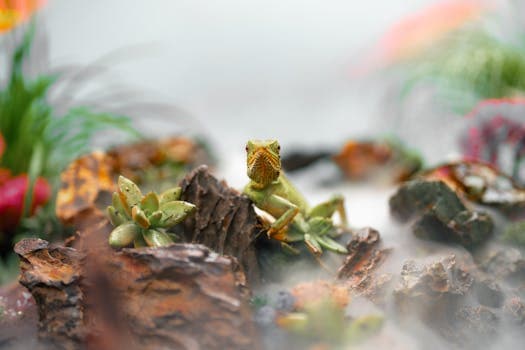
Before you introduce a gecko to its enclosure, plan the habitat with temperature gradients, humidity control, lighting, substrate, hiding spots, and climbing structures. A thoughtful setup reduces stress and promotes healthy shedding and feeding. Below are concrete steps you can take to set up a gecko friendly terrarium that minimizes common problems.
- Choose the right enclosure and placement: For leopard geckos, a 20 gallon long tank or larger is suitable for one adult. You can explore how cut dog for additional insights. Crested geckos benefit from taller tanks or enclosures with vertical space. Place the terrarium away from direct drafts, high traffic areas, and bright glare from windows.
- Establish a warm and cool side: A thermostat controlled heat source should create a warm zone around 88 to 92 F for leopard geckos and 78 to 82 F for crested geckos. The cool side should sit around 72 to 78 F. A temperature gradient encourages natural thermoregulation and feeding.
- Manage humidity: Leopard geckos thrive in lower humidity; a light misting schedule is usually sufficient. Crested geckos require higher humidity levels around 50 to 70 percent, with regular misting to maintain for shedding and health.
- Substrate selection: For beginners, paper towels or reptile carpet are easiest and cleanest. Leopard geckos often do well on a dry substrate like calcite or sand mix if kept clean, but avoid loose substrates for babies. Crested geckos generally do better with a solid substrate or bioactive setup to support humidity and plant life.
- Lighting and photoperiod: Use a dim day cycle and a consistent night cycle. While geckos do not require intense UVB in all cases, some exposure is beneficial. For most beginners a low intensity UVB light on a regular schedule can support vitamin D3 synthesis and calcium metabolism.
- Enrichment and decor: Add branches, cork bark, and sturdy vines to encourage climbing and exploration. Hide boxes should be placed on both warm and cool sides so the gecko can retreat anytime. Provide a shallow water dish and a damp hide for hydration and shedding.
- Safety checks: Ensure all substrates and decor are secure to prevent tipping. Remove sharp edges or loose items that may injure a curious gecko.
As you plan, keep a close eye on humidity and temperature readings. A basic digital thermometer with a hygrometer or two separate sensors gives you real time data. If you notice the gecko spending excessive time in the cool zone or refusing to eat, reassess the environmental conditions and consider consulting a veterinarian who specializes in reptiles.
Feeding Geckos Right: Diet, Supplements, and Feeding Techniques
Food is central to gecko health. Leopard geckos are insectivores while crested geckos are omnivores, enjoying fruit and insect prey. Providing a varied, balanced diet supports energy, growth, and disease resistance. Here are practical feeding strategies and common mistakes to avoid.
- Insect choices and portion sizes: For leopard geckos, feed appropriately sized live insects such as crickets, mealworms, and dubia roaches. Avoid feeding insects much larger than the gecko’s head as they can cause choking or digestive issues. A typical feeding schedule is 3 to 6 appropriately sized meals per week depending on age and sex.
- Calcium and vitamin supplementation: Dust insects with calcium powder without vitamin D3 on every feeding and provide a separate multivitamin supplement on alternate feedings for adult geckos. Young geckos often require more frequent supplementation to support growth.
- Crested gecko omnivorous diet: In addition to live insects, crested geckos enjoy fruit purees or commercially prepared gecko diets. Offer fruit at a moderate frequency to avoid digestive upset and balance with insect protein.
- Feeding techniques and observation: Use a feeding dish to reduce substrate contamination and monitor intake. Observe appetite changes—they can signal stress, illness, or environmental issues that need attention.
- Hydration and water: Always provide fresh water in a shallow dish. Some geckos, especially crested geckos, enjoy occasional misting that helps hydration and humidity management.
Healthy feeding routines also include avoiding certain foods and practices. Never feed geckos wild caught insects, as they may carry parasites or pesticides. Rinse captured prey and ensure it is gut loaded with nutritious content before feeding. Maintain a consistent feeding schedule to establish reliable expectations that reduce stress for the gecko.
Health Monitoring and Common Gecko Ailments to Watch For
Proactive health monitoring keeps geckos thriving. Regular checks for shedding, appetite, and behavior help catch problems early. Here are typical issues and practical ways to manage them.
- Shedding problems: Incomplete sheds can occur when humidity is too low or the enclosure lacks appropriate humidity. A damp hide or light misting can aid shedding. If shedding is chronically problematic, consult a reptile veterinarian for guidance and potential topical solutions.
- Dehydration: Signs include sunken eyes, wrinkled skin, and lethargy. Ensure continuous access to fresh water and maintain adequate humidity for crested geckos. In some cases, a shallow oral rehydration solution recommended by a vet may be needed.
- Respiratory issues: Subtle signs include wheezing, nasal discharge, and rapid breathing. Temperature, humidity, and ventilation play a role; seek veterinary advice promptly if symptoms appear.
- Digestive disturbances: Diarrhea or reduced stooling can signal diet issues or infection. Review diet and substrate hygiene, and obtain a vet check for persistent symptoms.
- Injuries and stress: Handling should be gentle and limited for new geckos to minimize stress. Provide a quiet environment and avoid sudden temperature shifts or loud noises which can injure or stress a gecko.
Preventive care also includes routine cleanings and parasite screening as recommended by your reptile veterinarian. Regular checkups help you stay ahead of potential issues and ensure proper calcium metabolism and vitamin balance.
Handling and Enrichment: How to Build Confidence and Interaction Safely
Handling geckos carefully is essential for building trust and encouraging healthy social behavior. Here are practical tips to maximize positive interactions while minimizing stress.
- Approach slowly and calmly: Move with predictable, slow motions so the gecko can anticipate your hand. Sudden movements increase stress and can cause defensive behaviors.
- Support the entire body: When picking up the gecko, firmly support its chest and hindquarters. A gentle lift prevents limbs from being strained and reduces the chance of escape attempts.
- Limit handling sessions: Especially with new geckos, keep sessions short and gradually extend them as the gecko becomes comfortable. Use observation time for enrichment rather than frequent handling if the gecko shows signs of stress.
- Quiet enrichment options: Provide branch exploration, gentle climbs, and feeding puzzles that stimulate hunting behavior without constant handling.
Interaction should always be positive and patient. If a gecko shows signs of distress, return it to its habitat and reassess the environment. A healthy gecko will willingly explore and climb, not constantly flee from human contact.
Grooming and Shedding Support for a Healthy Gecko
Regular grooming and shedding support prevent skin problems and infections. Although geckos groom themselves, owners can assist in some situations to ensure complete shedding and skin health.
- Monitor sheds and humidity: Regular shedding should occur predictably. If signs of retained sheds on toes or tail appear, increase humidity and offer a damp hide or warm, gently humid microclimate.
- Clean nails and skin care: Avoid over trimming and never use sharp implements. If nails appear overgrown, consult a vet for safe trimming techniques to prevent injury.
- Skin health checks: Look for sores, parasites, or unusual discoloration. Early detection supports prompt treatment.
In addition to routine grooming, keep the enclosure clean. Remove waste promptly and clean water dishes regularly to prevent bacterial growth that could compromise health.
Common Myths About Gecko Care Debunked
New owners often encounter myths that can lead to poor care decisions. Here are a few common misunderstandings clarified with practical guidance.

- All geckos need UVB lighting: While some species benefit from UVB exposure, many leopard geckos can thrive with minimal UVB when calcium and vitamin D3 supplementation is properly managed. You can explore female cats spray for additional insights. Crested geckos may tolerate lower UVB exposure but still benefit from balanced lighting and humidity management.
- Geckos eat only live insects: Leopard geckos require live prey, but crested geckos also accept fruit and prepared diets. Always provide appropriate prey sizes and balance with plant matter for omnivores.
- Geckos do not interact with humans: Geckos can be curious and exhibit behaviors when cared for consistently. Gentle handling and positive routines support trust and enrichment without excessive stress.
Comparing Leopard Geckos and Crested Geckos: A Quick Vs Guide
| Aspect | Leopard Geckos | Crested Geckos |
|---|---|---|
| Natural habitat | Arid to semi arid regions | Humid forests and vines |
| Humidity needs | Lower humidity | |
| Diet | Predominantly insects | |
| Handling | Generally tolerant of gentle handling | |
| Terrarium setup | Dry substrate, warm and cool zones | |
| Activity pattern | Nocturnal |
Understanding these differences helps you tailor your routine, equipment, and feeding plans. If you are leaning toward a crested gecko for humidity friendly setups and enrichment, you will implement more vertical space and consistent humidity control. If a leopard gecko fits your lifestyle, a dry, heat gradient and accessible feeding routine is key. Both species reward careful, consistent care and observation.
Essential Tools and Resources for New Gecko Owners
Building a toolkit for gecko care saves time and reduces stress for both you and your pet. Here is a practical list of tools that make daily care easier while ensuring the gecko thrives in its enclosure.
- Digital thermometers and hygrometers for accurate readings
- A reliable feeding tongs for live insects to reduce handling
- Wide shallow water dish and a damp hide for humidity and hydration
- Substrate options appropriate for the species and life stage
- Calcium and vitamin supplements recommended by a reptile veterinarian
Whenever you buy gear, prioritize safety and ease of cleaning. Durable hides, secure climbing features, and non toxic materials make daily maintenance simpler and keep the gecko safe from minor injuries or escapes.
Nutritional Guidance in a Practical Plan
Implementing a practical nutrition plan requires knowing what to feed, how often, and how to monitor results. Below is a concrete week by week plan you can adapt based on age, weight, and species. The plan emphasizes balanced nutrition, avoids overfeeding, and supports healthy growth while reducing waste and odor in the enclosure.
- Adult leopard gecko plan: Feed 3 times per week with appropriately sized insects. Dust insects on a schedule and provide calcium supplementation on non feeding days to maintain bone health.
- Crested gecko plan: Offer smaller insect meals plus a balanced fruit puree or diet supplement twice weekly. Maintain humidity to support digestion and coat health.
- Juvenile adjustments: Young geckos require more frequent feeding with smaller prey sizes. Monitor weight and growth to adjust portions and frequency.
Also, observe the gecko during and after meals. A healthy gecko will actively hunt, show interest in prey, and leave prey remains. A lack of interest over several days warrants a veterinary check to rule out illness or environmental stressors.
Safety Tips and Common Pitfalls to Avoid
New gecko owners often encounter avoidable mistakes. Here are safety tips and common missteps with practical fixes you can apply right away.
- Overheating or under heating: Use a thermostat and multiple thermometers to prevent hot spots that burn or drop in temperatures that slow metabolism. For more details, see our guide on are petunias poisonous. Always verify the gradient before placing the gecko in the enclosure.
- Improper humidity for shed: For crested geckos especially, maintain humidity to support shedding. Use damp hides and regular misting to prevent retained skins on toes or tails.
- Unclean enclosure: Clean waste daily and perform routine substrate changes to avoid bacterial buildup and odor. Sanitize hides and decor during routine maintenance.
- Inadequate enrichment: Offer vertical space and climbing elements to encourage exercise and exploration. Lack of enrichment can lead to stress and decreased appetite.
- Handling mistakes: Avoid rough handling and sudden movements. Gentle, controlled interaction reduces stress and supports bonding with your gecko.
Tracking Health and Progress: Logs That Help You Succeed
Maintaining a simple health log helps you notice changes early. Record weight, shed quality, appetite, and behavior. Add monthly photos to track body condition and color changes that may indicate health issues. A consistent log makes it easier to discuss concerns with your reptile veterinarian and adjust feeding and habitat settings as needed.
Conclusion: Your Path to a Happy Gecko Must Be Built on Routine and Observation
Gecko care combines practical habitat setup, proper nutrition, gentle handling, and proactive health monitoring. With a calm environment, a measured feeding plan, and consistent enrichment, your gecko can thrive for many years. Remember to blend species specific needs with your daily schedule and stay engaged with your reptile veterinarian for routine wellness checks. By adopting the strategies outlined in this guide you are laying a solid foundation for a long and healthy partnership with your new exotic pet.
To deepen your knowledge and keep your gecko thriving consider exploring additional care practices and community insights. For practical grooming and maintenance tips you can visit the dog and cat care resources for cross species health guidance, such as how to clean a dog wound and how to trim dogs nails, which provide general household pet care principles that support a healthy home environment. You can also learn about safe plant companions and garden safety that relate to gecko habitats, such as are petunias poisonous to dogs and how to tell if a rabbit is sick, which illustrate general pet safety considerations that apply across species. Additionally, if you want to understand how to get my dog to drink water safely, these everyday pet care routines offer useful parallels in maintaining hydration and behavior management in a multi species household.
FAQ Section
Q1 What is the best starter gecko for a first time owner
A Leopard gecko is often recommended for beginners due to its hardiness, straightforward diet, and forgiving temperament. Crested geckos are also popular with the right humidity and vertical space but require a bit more setup.
Q2 Do geckos require UVB lighting
A Many geckos benefit from some UVB exposure, but the requirements vary by species and life stage. Use a low intensity UVB with careful monitoring and consult a reptile vet for a personalized plan.
Q3 How often should I handle my gecko
A For new geckos, limit handling to short sessions to reduce stress. Gradually increase as the animal becomes more comfortable, prioritizing enclosure enrichment over frequent handling.
Internal links integrated within the content provide readers with practical, real world resources for related pet care topics. For example to help manage grooming and maintenance topics you can read about how to cut dog hair which offers general safe handling and cleanliness practices applicable to small pets, and to understand safety for plants near pets you can check are petunias poisonous to dogs. To support hydration strategies you can explore how to get my dog to drink water which parallels the importance of fresh water access for geckos. For basic first aid concerns you may find how to clean a dog wound insightful as a general care routine that translates into maintaining a clean habitat and animal well being. For species specific questions you may also reference how to care for a rabbit which shares some general principles of habitat enrichment and consistent routines that benefit a wide range of small pets.
Image Suggestions for Stock Photos
Choose photographs that capture key moments of gecko care such as a terrarium with a heat gradient, a juvenile leopard gecko feeding, and a crested gecko exploring vertical space. Images should clearly show the gecko in a safe, naturalistic setting with visible habitat elements like branches, hides, and hydrated plants. Three concrete keywords for image search are gecko habitat care, reptile terrarium, and exotic pet gecko.