Home
Home
Introduction
Many pet lovers crave companions with bold personalities yet without demanding living space. Exotic pets that fit small homes and big personalities offer the perfect balance for curious owners who want charm, novelty, and companionship without a sprawling habitat. This article answers the core question: which exotic pets suit compact living environments while still delivering engaging behavior, manageable care, and responsible ownership? We will define what qualifies as an exotic pet in this context, clarify housing and care considerations, and provide practical steps to select, prepare for, and care for a remarkable yet compact companion.
What Makes a Pet Exotic and Why Size Matters
Exotic pets are animals kept primarily for companionship that are not traditional cats or dogs. In this guide, we focus on species that typically require specialized knowledge, enrichment, and habitat adjustments, yet can thrive in smaller living spaces with proper care. Size matters because compact enclosures, controlled climate, and routine enrichment reduce stress and promote health. When a species is naturally active or highly curious, the owner must commit to daily stimulation and careful monitoring, especially in apartments, tiny homes, or shared walls. The right tiny exotic can be an excellent match for apartment living if you prioritize safety, legality, and husbandry.

Top Exotic Pets for Small Homes with Big Personalities
Below is a curated list of species known for engaging behavior, manageable space needs, and clear care routines. Each entry includes practical tips on housing, feeding, enrichment, and safety for a compact home environment.
1. Leopard Geckos
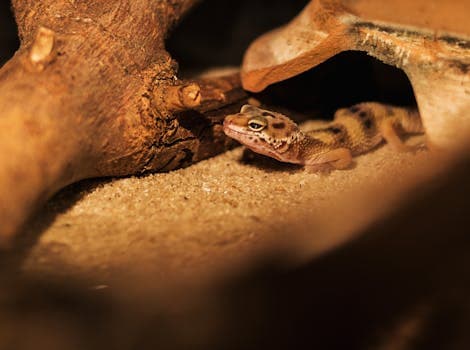
Leopard geckos are small, hardy reptiles that exhibit lively feeding responses and unique patterns. They are diurnal or crepuscular, which suits evening observation when you are home from work. Their enclosures can be modest, typically a 20 gallon long tank for a single adult, with a safe basking spot and a cool retreat. They do not require UVB lighting as intensely as some other geckos but still benefit from low level UV exposure. A shallow water dish, secure lid, and tight mesh ventilation keep humidity stable. Feeding consists of live insects such as crickets or mealworms, offered with careful portion control to prevent overfeeding.
Practical setup tips include: place hides at opposite ends for thermal gradients, use a shallow substrate to prevent ingestion, and provide enrichment like climbing branches and textured rocks. Leopard geckos are generally calm during handling, making them accessible for beginners who want a tactile, interactive experience without a lot of space. Regular handling sessions help socialize the animal and reduce stress, but never force handling when the gecko shows signs of discomfort.
2. Sugar Gliders
Sugar gliders are small marsupials with big personalities and a penchant for social interaction. They require a tall, multi-level enclosure to accommodate their gliding behavior. In small homes, a cage with 6 to 8 feet of vertical space and secure perches is key. They are highly social animals, so owning at least a pair or establishing a strong daily interaction routine is essential. Their diet is diverse, incorporating nectar, insects, and specially formulated pellets to mimic their natural feeding habits. Regular dental checks and veterinarian visits specializing in exotic species are recommended because their energy levels and social needs can intensify if neglected.
When considering a sugar glider, plan for budget and time: enrichment through foraging opportunities, scent trails, and safe gliding routes are not optional luxuries but necessities. They are intelligent and can learn simple tricks with positive reinforcement. However, their nocturnal tendencies mean you should plan for quiet playtime during your evenings and late nights. A close bond with gliders develops when daily intimate interaction is consistent, making these little dynamos perfect for owners who crave active companionship and are committed to consistent care.
3. Hermit Crabs
Hermit crabs are compact, social crustaceans that thrive in a stable, humid terrarium. They are easy to house relative to other arthropods, as long as the humidity and temperature are maintained. A shallow, wide tank with escape-proof lids and a moisture gradient allows crabs to explore while staying hydrated. They require a mix of sand and coconut fiber substrates and access to both dry and damp microhabitats. The diet can include commercial hermit crab food supplemented with fresh fruit and vegetables. Hermit crabs are most active during their own cycles, which can translate into entertaining, small-scale observation experiences for pet owners who want a low-maintenance yet engaging pet in tight living spaces.
4. Dwarf Rabbits
Dwarf rabbits offer sociable personalities and relatively small space requirements compared to larger rabbit breeds. They need a secure enclosure that can be placed indoors, with daily time for supervised exploration and activity. Their exercise needs are significant; a rabbit-proofed room or playpen provides opportunities for hopping and enrichment. They require a diet high in fiber, with fresh hay available at all times, plus leafy greens and a limited daily portion of pellets. Regular grooming, nail trimming, and gentle handling routines support a confident, affectionate companion. The key to thriving in a small home is environmental enrichment and a predictable daily schedule that aligns with their crepuscular activity patterns.
5. Crested Geckos
Crested geckos are one of the easiest high activity exotic pets to adapt to small homes. They tolerate a wide range of temperatures and do not require intense UV lighting. Their vertical enclosures can mimic the rainforest niche they naturally occupy, with branches, moss, and cork bark enabling climbing and hiding. They are nocturnal and will appreciate a warm basking zone during evening hours. Feeding consists of crested gecko diet powder rehydrated with water and offered with occasional live insects for protein. Crested geckos are typically calm and tolerant of gentle handling, especially when young and socialized early, making them appealing for owners who want a responsive and attractive pet in a compact space.
Care Essentials for Small Living Spaces
Successful exotic pet ownership in a small home hinges on meticulous habitat design, routine health monitoring, and thoughtful enrichment. Below are actionable guidelines that apply across species and help prevent common problems associated with compact living conditions.
Housing and Habitat Design
Choose enclosures that maximize vertical space while maintaining stable temperatures. For reptiles, a screen top or well ventilated escape-proof lid prevents overheating and ensures safety. For mammals and invertebrates, secure lids with tight seals reduce escapes and odor. Place enclosures away from direct sunlight and drafts, and ensure the habitat includes at least one hide, a water source, and outlets for enrichment. The rule of thumb is to simulate a microclimate within reach of your living area while avoiding extremes. Easy-to-clean substrates and sealing options for spills help maintain a hygienic environment in small rooms where smells can accumulate quickly.
Diet and Nutrition
Tailor diets to each species, prioritizing variety and nutrient balance. Always source high quality, species appropriate foods and supplements. For insectivorous species, provide gut loaded or nutritionally varied prey. For herbivores, emphasize high fiber and fresh greens. Avoid sudden diet changes which can cause digestive distress or obesity. Regular weigh ins and body condition scoring give you a tangible way to track health and adjust portions accordingly.

Hydration is critical for most exotic pets. Some species appreciate a shallow dish, others benefit from misting or humidity control. Maintain hydration without creating a damp environment that can encourage mold or respiratory issues. Always acclimate new foods slowly to prevent refusal or stress.
Health and Veterinary Care
Exotic pets require access to a veterinarian who specializes in non traditional species. Routine wellness checks, parasite screening, and vaccinations as indicated by a veterinarian form the backbone of preventive care. Pet owners should keep records of vaccinations, treatments, and any behavioral changes. Early detection of illness is crucial in small habitats where stress can amplify medical issues. If a pet shows lethargy, appetite loss, respiratory changes, or unusual hiding behavior, seek veterinary advice promptly.
Environmental Enrichment and Behavior
Exotic pets thrive on enrichment that mirrors natural behaviors. For climbing species, provide varied textures and routes. For social species, structured interaction time reduces stress and fosters trust. Rotate toys and hides to sustain curiosity, and observe your pet for signs of boredom or overstimulation. Enrichment is not a luxury; it is a critical component of mental well being that prevents behavioral problems in small spaces.
Legal and Ethical Considerations for Compact Exotic Pets
Before bringing any exotic pet home, verify local and state regulations regarding ownership, housing, and transport. Some species require permits, and some are restricted in urban areas due to ecological risk or welfare concerns. Ethical ownership means selecting animals from reputable breeders or rescues, avoiding illegal trade, and ensuring you can sustain long term care even under life changes such as moves or financial shifts. Consider the environmental footprint of your hobby and actively pursue humane, responsible options whenever possible.
How to Choose the Right Exotic Pet for Your Home
Choosing the right exotic pet is a decision that should be guided by your daily routine, available space, budget, and level of commitment. Here are practical steps to help you select a species that aligns with your living situation and personal goals.
- Assess your space and schedule Determine how much room you can dedicate to an enclosure and how many hours you can devote to daily care and enrichment. You may also find our guide on how to get my dog to drink water helpful. If you work long hours, a more social species may require a partner or consistent enrichment to prevent loneliness.
- Define your budget Exotic pets incur ongoing costs including habitat setup, specialized diets, routine vet visits, medications, and potential emergency care. Create a monthly budget that accounts for feed, substrate, enrichment, and veterinary costs.
- Research legality and ethics Confirm local restrictions, permits, and reputable sources for acquisition. Choose rescues or licensed breeders who prioritize welfare and humane treatment.
- Evaluate temperament and handling Some species tolerate handling well while others prefer observation. If you expect hands on interaction, select a species known for sociability and trainability.
- Plan for longevity and commitment Many exotic pets live for years. Ensure you can provide care for the life span of the animal, including potential future moves or changes in household composition.
Practical Care Routines You Can Start Today
Implementing a daily, weekly, and monthly care routine helps you stay organized and ensures your tiny but vibrant companion remains healthy and engaged. Below are ready to implement routines tailored to active small pets and reptiles commonly kept in small homes.
Daily Care Checklist
- Check enclosure temperature and humidity levels and adjust as needed
- Offer fresh water and a daily portion of appropriate food
- Provide enrichment such as a new foraging task or a climbable structure
- Observe behavior for signs of stress or illness and document any changes
Weekly Care Checklist
- Clean up waste and substrate as needed and replace if soiled
- Inspect habitat for wear and tear and fix any hazards
- Rotate enrichment items to maintain interest
Monthly Care Checklist
- Weigh your pet and compare with the prior month to detect weight changes
- Inspect teeth, nails, and overall coat or shell for health indicators
- Schedule a check up with an exotic pet veterinarian if indications arise
Common Mistakes to Avoid in Small Homes
Many new owners fall into predictable traps that can undermine the welfare of an exotic pet in a compact space. Common mistakes include underestimating the value of enrichment, misjudging the energy needs of nocturnal species, and neglecting the social or environmental needs of group living animals. Always ensure that housing can support natural behaviors and that daily care is predictable and sustainable. By planning ahead and committing to ongoing learning, you increase the odds of a long, healthy, and joyful relationship with your unique companion.
Case Studies: Real World Small Home Exotics
Here are brief, anonymized scenarios illustrating success and caution. Case studies help you translate general guidelines into practical decisions you can apply to your home environment.
Case A features a couple living in a two bedroom apartment who chose leopard geckos as a low maintenance, high engagement option. They dedicated a 20 gallon long tank with well designed heat and hide spaces, created a routine social times, and learned to interpret feeding cues. Over time, the geckos adapted to the family schedule, and their enclosure became a focal point for a few evenings of quiet observation. Case B involves a single resident in a small condo who adopted a pair of sugar gliders with a tall cage and daily social routines. They prioritized a stable diet and constructed safe gliding routes to reduce stress and promote physical activity. Both cases highlight careful planning, ongoing education, and proper habitat design as keys to success.
Conclusion: Your Next Step Toward a Bold Yet Compact Companion
Small homes can host remarkable exotic pets without sacrificing welfare or happiness. You may also find our guide on how to clean a dog wound helpful. By choosing species with compatible space needs, investing in appropriate enclosures, and committing to tailored daily care, you can enjoy a pet with a big personality and a home that remains organized and safe. The right choice depends on your lifestyle, budget, and willingness to learn. Begin with thorough research, connect with a vetted veterinarian, and implement a structured enrichment plan. If you are ready to embark on this journey, start by evaluating your space, your schedule, and your willingness to invest in ongoing learning and care. The right small exotic companion can bring energy, curiosity, and companionship to your everyday life while fitting neatly into a compact living environment.
For practical guidance on keeping a healthy household and ensuring your pet gets clean drinking water, you can explore a few targeted steps such as how to get my dog to drink water to support hydration and overall welfare. This can be a useful reference when you consider hydration strategies for any small exotic pet that requires a reliable water source. Additionally, if you ever need basic first aid awareness, knowing how to clean a dog wound offers transferable lessons in safe handling and prompt care for any curious small animal that may encounter minor injuries during play. Finally, helping your dog lose weight through structured routines can inspire you to apply similar principles to balance activity and diet for more active exotic companions.
With thoughtful planning, responsible sourcing, and ongoing care, your small home can host an extraordinary animal with a strong personality that enriches your daily life while respecting welfare and ethics. Remember that your commitment to consistent enrichment, veterinary care, and humane housing is the single most important factor in ensuring a joyful and responsible exotic pet ownership experience.