Home
Home
Introduction and Your Exotic Pet Journey begins here
If you are a curious owner exploring the world of exotic pets you may wonder how to provide care that is safe enriching and sustainable. The questions you ask are valid and the answers matter for the life and happiness of your animal companions. This guide explains practical care strategies and clear steps to help you build a thriving relationship with your exotic pets while keeping safety and wellbeing at the forefront.
What exactly are exotic pets and how are they cared for
Exotic pets are animals that fall outside the typical dog or cat household. They include reptiles birds small mammals and amphibians with care needs that often require specialized housing nutrition lighting and environment. Good care means understanding species specific needs while maintaining humane standards and legal compliance. You should know that responsible exotic pet ownership emphasizes enrichment proper veterinary care and careful handling to prevent stress and illness.

How to assess suitability before bringing an exotic pet home
Begin with an honest assessment of your resources time space and budget. You should consider long term commitments such as enclosure costs veterinary care and daily maintenance. Evaluate your local laws and ethics of keeping each species. A practical check list helps you avoid impulse purchases and ensures you are prepared for the day to day realities of care.
Step 1 Understand space and enclosure needs
Exotic pets require enclosures that mimic their natural environments. Research typical temperatures humidity and lighting needs for the species you are considering. The enclosure should be escape proof secure with appropriate substrates and humidity control. Remember to plan for cleaning access and safe handling routes to minimize stress for the animal and people in the home.
Step 2 Confirm diet and feeding cues
Diet is a cornerstone of health. Learn what constitutes an appropriate diet including frequency portion sizes and preferred food types. Avoid commercial diets that are not species appropriate and be prepared to supplement with fresh vegetables vitamins or calcium as needed. Discuss dietary plans with a veterinarian who specializes in exotic species to tailor the regimen to your pet.
Step 3 Plan veterinary and rescue options
Establish contact with a veterinarian who treats exotic species. Regular wellness checks are essential as signs of illness can be subtle. Consider adopting from reputable rescues where possible and ensure the animal has a documented health history. Having a plan reduces anxiety when health issues arise and increases the likelihood of a positive outcome.
Creating the ideal habitat for reptiles and amphibians
Reptiles and amphibians have very specific environmental needs. A well designed habitat supports temperature gradients humidity day night cycles and safe basking zones. This is not a DIY afterthought; it is the core of daily care. Use step by step guidance to build an enclosure that improves behavior reduces stress and supports healthy growth.
How to build a safe reptile enclosure
Begin with a species appropriate enclosure that offers a thermal gradient. Install heating elements such as ceramic heat emitters or heat lamps and monitor temperatures with accurate thermometers. Provide a secure hide and a humidity control system when needed. Substrate should be chosen based on the species and cleaned regularly to prevent mold and bacterial growth. Lighting should include UVB exposure where recommended by a vet.
Feeding and enrichment ideas for lizards and snakes
Offer appropriately sized prey or plant based diets where permitted and ensure feeding occurs in a safe environment. Enrichment can include branch structures for climbing and exploration. Regular handling in short sessions helps acclimate the animal but respect signs of stress and never force interaction.
Bird care essentials for flying companions and not so typical birds
Birds require mental stimulation social interaction and gear that supports safety during flight and daily activities. The right cage size per species enrichment toys and a consistent routine all play a key role in keeping birds healthy and happy. Nutrition for birds is varied and requires attention to seeds pellets fresh fruit and vegetable offerings with attention to calcium and vitamin balance.
Designing a bird friendly living space
Choose a location away from drafts and direct sunlight extremes. The perch design should protect feet and allow for natural foot movement. Provide toys that promote foraging and problem solving to prevent boredom which can lead to behavioral issues. Establish a daily routine that includes supervised out of cage time to support social bonding.
Bird nutrition and safe treats
Offer a diverse diet including formulated pellets for the species and fresh produce. Avoid avocado chocolate caffeine and salty foods which can be toxic. Hydration is essential; provide fresh water daily and consider multiple water sources for larger birds. Work with a veterinarian to ensure dietary adequacy and vitamin supplementation when needed.
Small mammals that require big personalities and careful care
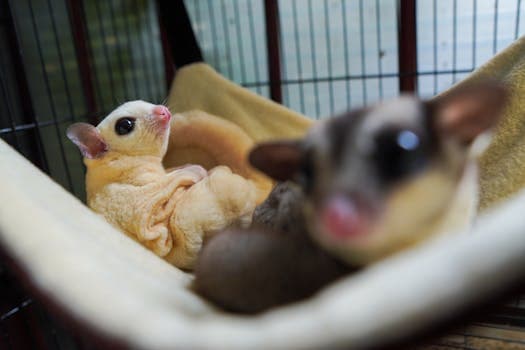
Small mammals such as sugar gliders hamsters and ferrets bring companionship but they also require complex social structures and enriched environments. They can be highly social and require daily interaction as well as safe housing that accommodates climbing burrowing and exploration. Regular veterinary care is important for prevention of common conditions like dental disease obesity and respiratory issues.

Social structure and enrichment for small mammals
Many small mammals are highly social and thrive with a compatible companion or two. Provide multi level housing with enrichment activities such as tunnels wheels nesting areas and foraging opportunities. Rotate toys to maintain interest and monitor for signs of stress or aggression among cage mates.
Healthy diet and weight management
Offer balanced diets appropriate to the species. For many small mammals a mix of hay fresh vegetables high quality pellets and occasional treats works well. Avoid sugary sticky treats and monitor body condition regularly to prevent obesity. Clean feeding dishes and fresh water should be available at all times.
Ethical and legal considerations every owner should know
Ethics and legality are fundamental to responsible exotic pet ownership. This includes understanding wildlife laws import restrictions and the welfare standards required by reputable breeders rescues and sanctuaries. Ensure compliance with local regulations and consider the impact of keeping wild species on ecosystems and animal welfare.
How to stay compliant and ethical
Always choose pets from reputable sources that provide health records and welfare assurances. Avoid supporting illegal trade or breeding practices that harm animals. When in doubt consult a veterinarian or a local wildlife authority to confirm requirements before bringing an animal home.
Common health signs and proactive care strategies
Observing early signs of illness can save lives. Look for changes in appetite activity breathing posture and droppings. Establish a routine wellness check with a veterinarian who specializes in exotic species and maintain up to date vaccination and parasite control where applicable. Proactive care includes environmental hygiene daily enrichment and stress reduction practices.
First aid and emergency planning
Keep a basic first aid kit tailored to your pets species and learn some fundamental crisis tips from your vet. Have a plan for transport to an emergency clinic and keep important medical information accessible including vaccination records and current medications. Preparedness reduces panic and improves outcomes during emergencies.
Training and behavior management for exotic pets
Training for exotic pets focuses on safety trust and enrichment rather than punishment. Use positive reinforcement and gentle handling to build confidence. Set clear boundaries and gradual exposure to new environments or objects. Regular training sessions help reduce fear and encourage cooperative behavior during routine care.
Practical training steps you can implement
Step 1 establish a calm base routine and rewards system. Step 2 introduce new stimuli gradually while monitoring stress signals. Step 3 practice target training and simple commands to improve handling. Step 4 document progress and adjust plans as the animal grows and changes. Consistency is the key to meaningful progress.
Case studies and real world examples to guide your decisions
Real world examples illustrate both successes and learning moments in exotic pet care. Case studies cover enclosure upgrades for reptiles improving humidity control after stress indicators, enrichment plans for solitary birds achieving increased engagement, and dietary adjustments that resolved persistent digestive issues in small mammals. These practical stories provide reassurance that careful planning yields positive outcomes.
Frequently asked questions about Exotic Pet Care Secrets
What is the most important factor in exotic pet care The answer often points to environment and enrichment which influence health stress and behavior. How often should exotic pets see a vet Routine wellness checks with a specialist are recommended. Are all exotic pets suitable for a home The best approach is to match species needs with your resources and lifestyle consult professionals before purchase. How do I choose a reputable breeder or rescue Look for transparent health records ethics statements and a history of welfare oriented practices. What should I do if my pet shows signs of illness Early signs should be discussed with a veterinarian promptly and urgent care sought if symptoms worsen.
Conclusion and practical takeaways for curious owners
Exotic pet care is a blend of science and empathy. You should approach ownership with clear planning for housing nutrition enrichment and veterinary support. By starting with space and environment design you promote healthier behaviors and reduce stress. Regular veterinary care and ethical sourcing help ensure a long and rewarding relationship with your exotic companions. Remember to review local laws and obtain necessary permits where required. With informed decisions you can enjoy a thriving partnership that respects the animal and satisfies your curiosity.
Call to action for engaged owners
If you found these tips useful take the next step by outlining a one month care plan tailored to your species choose a reputable veterinary partner and subscribe to education focused resources on exotic pet care. Share your experiences in community groups and keep improving your habitats and routines. Your commitment to ongoing learning will pay dividends in the health happiness and longevity of your exotic companions.