 Home
Home
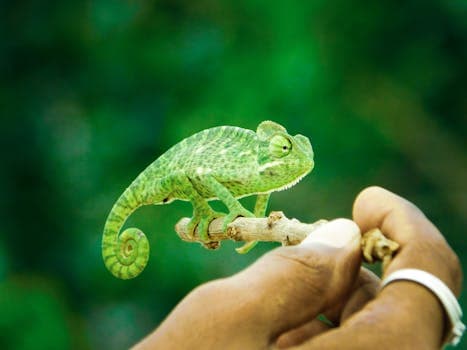
Understanding the Allure and Responsibility of Exotic Pets
Exotic pets captivate many households with unique personalities, striking appearances, and conversations-worthy quirks. They range from small mammals and reptiles to arachnids and birds, each bringing distinct care requirements and life considerations. Before bringing any non-traditional animal home, it’s essential to assess your capacity for long-term commitment, specialized habitats, and ongoing veterinary needs. A thoughtful approach helps ensure the animal’s wellbeing and makes your ownership experience rewarding rather than stressful.
Adopting an exotic pet isn’t a casual decision. Some species require permits, specialized diets, or climate-controlled enclosures. Others may have social needs that demand daily interaction or enrichment. Understanding these nuances upfront can save you time, money, and heartache down the line.

Legal and Ethical Considerations
Many exotic species have regulatory restrictions that vary by country, state, and even city. It’s important to verify legality, permit requirements, and any restrictions on ownership or transport. Beyond legalities, ethical considerations matter: sourcing from reputable breeders or rescue organizations, avoiding animals captured from the wild, and ensuring the pet’s welfare in its home environment are all part of responsible ownership.
Responsible care also means recognizing the environmental impact of exotic pets. Some species have complex needs that can be difficult to meet in a typical suburban home, and failures to meet those needs often lead to behavioral problems or health issues. If you’re unsure, consider adopting from a licensed rescue or choosing a species with well-established husbandry guidelines and community support.
Common Exotic Pets: An Overview
Exotic pets span a wide range of animals, each with a distinct set of care requirements. Here are some popular categories and what to expect in daily life, housing, and health management.
- Small mammals: species like hamsters, gerbils, and degus can be engaging, but many still require specialized housing and enrichment to prevent stress and behavioral issues. Their nocturnal tendencies, social needs, and dietary requirements demand careful planning.
- Ferrets: known for playful energy and curiosity, ferrets need secure, escape-proof environments and lots of interactive play. They also require regular veterinary care and social interaction to stay happy and healthy.
- Reptiles: turtles, lizards, and snakes bring unique heat, light, and humidity needs. A reptile-friendly enclosure, precise temperature gradients, and UVB exposure are non-negotiables for many species.
- Arachnids and invertebrates: tarantulas, scorpions, and other invertebrates can be fascinating but demand careful handling limits, secure enclosures, and a stable microclimate to thrive.
- Birds: some parrots and finches offer remarkable companionship but require social interaction, mental stimulation, and robust environmental enrichment to prevent boredom and behavioral issues.
- Amphibians: newts, salamanders, and tree frogs can be sensitive to water quality and temperature. They often need precise aquatic and terrestrial zones within their habitats.
- Other companions: sugar gliders, hedgehogs, and certain small primates have distinctive social or dietary needs and may have longer lifespans than expected, impacting long-term planning.
Housing and Habitat Design
Creating a safe, comfortable home for an exotic pet starts with a habitat that mirrors its natural needs. Temperature, humidity, lighting, and enclosure security are foundational elements. If you’re unsure about a species, consult reputable care guides or veterinarian experts who specialize in exotic pets.
Enclosures should be escape-proof and appropriate for the animal’s size and activity level. For example, many reptiles require secure terrariums with controlled heat gradients and UV lighting. Small mammals benefit from multi-level habitats with enrichment like tunnels, wheels, and items to chew—important for dental health and mental stimulation. For birds, consider spacious cages with perches, foraging toys, and opportunities for flight within a safe room.
Substrate, humidity, and water systems are not one-size-fits-all. A terrarium for a tropical frog differs dramatically from a desert-dwelling lizard’s enclosure. Regular cleaning, spot checks for mold or damp areas, and monitoring for changes in appetite or droppings help catch problems early.
Diet and Nutrition Across Exotic Species
Diet is a core pillar of health for any exotic pet. Many species have highly specific nutritional needs that can’t be met with standard pet foods. Research each animal’s ideal diet, including the right ratios of protein, fats, vitamins, and minerals, and be prepared to source specialty items or prepare fresh meals.
Hydration is equally crucial. Some reptiles and amphibians drink from dew in the habitat, so maintaining humidity and providing water dishes at appropriate heights supports welfare. For carnivorous or insectivorous species, fresh prey or approved commercial diets may be necessary, while herbivores require a steady supply of leafy greens and sometimes calcium or vitamin supplements.
Healthcare and Veterinary Access
Exotic pets often require veterinarians who specialize in non-traditional species. Routine checkups, parasite control, and vaccinations (where applicable) help prevent common illnesses. Be prepared for ongoing costs that reflect specialized care, diagnostic testing, and potential transport to a clinic equipped for exotic medicine.
Establish a preventive care routine early. Regular nail trims, dental assessments, and prompt attention to signs of illness—such as lethargy, changes in appetite, or unusual droppings—can make a big difference in outcomes. Build a relationship with a trusted exotic animal vet and keep a current health record for your pet, including vaccine histories, dietary changes, and behavioral notes.
Behavior and Enrichment
Exotic pets thrive when their mental and physical needs are met. Enrichment helps prevent boredom, which can lead to stress-related behaviors. Rotate toys, vary daily activities, and provide problem-solving enrichment that aligns with the species’ natural instincts—like foraging puzzles for birds, digging boxes for small mammals, or climbing structures for reptiles.
Social needs vary widely. Some animals do well with human interaction or a conspecific companion, while others prefer solitary living. Always observe your pet’s comfort level with handling and interaction, and never force contact that causes fear or stress. A calm, consistent routine often yields the best behavioral stability over time.

Species Spotlights: Practical Care Guides
Below are practical snapshots for a few popular exotic pets, focusing on care essentials you can implement from day one. Always supplement these basics with species-specific care sheets and veterinarian guidance.
Ferrets: Playful Mustelids with Specific Habitat Needs
Ferrets need a secure, escape-proof habitat with multiple levels and plenty of exploration space. They’re highly curious and social, so daily play sessions and companionship are important. Diet should be high-quality ferret kibble or a carefully balanced homemade mix advised by a vet. Regular nail trims, vaccines, and routine vet visits are part of responsible ownership. If you’re curious about whether a ferret might be a good fit for you, you can explore are ferrets good pets for a deeper dive into their pros and cons.
Hedgehogs and Similar Small Mammals
Hedgehogs are nocturnal by nature and require a quiet daytime setup with ample enrichment to engage their curiosity. A solid wheel, safe chew toys, and a shallow water dish support both exercise and hydration. Diet typically centers on specially formulated hedgehog kibble, with occasional insects or fruits as treats. If you’re considering hamsters or other small mammals, find practical guidance on how to take care of a hamster from a trusted source like how to take care of a hamster to help you compare care strategies.
Turtles and Other Reptiles
Turtles require reliable heat sources, UV lighting, and a balanced diet that suits their species—often a mix of leafy greens, vegetables, and animal protein. Water quality is critical for aquatic species, so a clean filtration system and regular tank maintenance are non-negotiable. Always ensure appropriate basking spots and humidity levels to mimic their natural habitat.
Arachnids and Invertebrates
Invertebrates like tarantulas and scorpions need secure enclosures with stable temperatures and humidity. Handling should be minimal and careful to avoid stress or injury. While these animals can be captivating, they’re not ideal around small children, and their maintenance requires a steady routine for feeding and habitat upkeep.
Getting Started: A Step-by-Step Readiness Check
Before bringing an exotic pet home, run through a practical readiness checklist. This helps you avoid impulsive decisions that could compromise the animal’s welfare and your finances.
- Assess your living space for species-appropriate enclosures, climate control, and security features.
- Research local regulations, licensing needs, and ethical sourcing options to ensure responsible ownership.
- Budget for initial setup, ongoing diets, enrichment supplies, and veterinary care.
- Identify an exotic-specialist veterinarian and establish a care plan for preventive visits.
- Plan for daily care routines, including feeding, cleaning, enrichment, and social interaction needs.
- Prepare for potential emergency scenarios and long-term commitments, including aging and end-of-life planning.
Common Mistakes to Avoid
Rushing into ownership or choosing a pet based solely on novelty can backfire. Common mistakes include underestimating the space needs, neglecting dietary specificity, and ignoring the long-term financial and time commitments. Seek balanced guidance from reputable sources, and consider starting with a species that has well-documented care frameworks and active owner communities for ongoing support.
Making a Responsible Choice
Choosing an exotic pet should be a well-considered decision that aligns with your lifestyle, climate, and long-term goals. If you’re unsure, start by volunteering or fostering with a rescue group that specializes in non-traditional pets. This hands-on experience can reveal whether you’re truly prepared for the responsibilities that come with exotic ownership.
When you do bring an exotic pet home, ensure that every aspect of care—from housing and diet to healthcare and enrichment—reflects best practices and ethical considerations. With thoughtful planning and ongoing education, you can create a thriving environment that supports your pet’s health, happiness, and longevity.
Final Thoughts: The Joys and Realities of Exotic Pet Care
Exotic pets offer unique companionship and learning opportunities, but they require a disciplined, informed approach. By prioritizing habitat quality, nutrition, veterinary care, and enrichment, you set the foundation for a successful and rewarding relationship. Remember that every species has its own quirks—embrace their individuality and commit to meeting their needs with consistency and compassion.





