Home
Home
Introduction
You want a pet that sparks wonder without turning your home into a high maintenance zoo. Curious exotic pets can be fascinating companions, but they require careful planning, legal awareness, and long term commitment. This guide helps you evaluate options, understand needs, and make an informed choice before adopting an exotic animal.
Exotic pets are not just unusual in appearance they are unique in care requirements. Are you prepared for specialized housing, nutrition, socialization, and regular veterinary care? This article outlines practical considerations, ethical sourcing, and concrete steps you can take to choose a pet that fits your lifestyle and values. You will find actionable tips, real world examples, and clear data points to help you compare options confidently.

What counts as an exotic pet and why it matters
Exotic pets are animals that are not traditional household companions. They may include small mammals, reptiles, birds, or amphibians that require specialized environments. The care gap between common pets and exotic species can be substantial and awareness is critical. Is the animal legal to own in your area, and does it have access to appropriate nutrition and enrichment? Understanding these factors helps prevent impulsive choices that can harm animals and families alike.
Ethical sourcing and habitat considerations are essential. Some species thrive in captive bred conditions while others struggle when removed from their natural ecosystems. How you source an animal and how you provide its habitat influences welfare, safety, and long term joy for both you and the pet. Consider the downstream effects of keeping an exotic animal, including local regulations and the potential need for specialist veterinary care.
Top categories of exotic pets to consider
Exotic pets span several categories, each with distinct care profiles. Below are common groups that pet owners evaluate when deciding what to adopt. Remember to check local regulations and ensure you can meet lifelong care commitments.
- Small mammals such as certain rodent species that are bred for companionship
- Reptiles including geckos and small snakes that require precise temperature and humidity control
- Birds other than common parrots, which may need specialized diets and enrichment
- Amphibians and invertebrates that demand stable environmental conditions
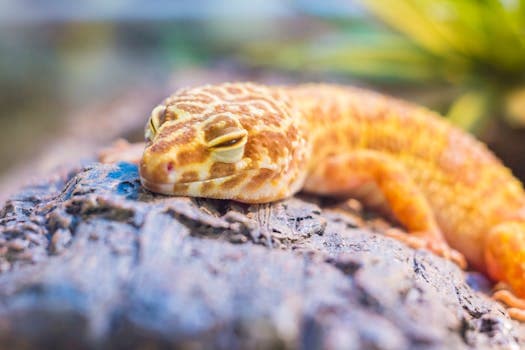
When weighing options, consider daily care tasks, enclosure costs, and potential veterinary needs. For example a gecko may require a carefully regulated terrarium with heat gradient and UV lighting, while a small mammal might need regular social interaction and appropriate chew objects. Assess the burden and pleasure balance for your household before adopting.
How to assess your readiness for an exotic pet
Before bringing an exotic animal home, complete a readiness assessment. This practical checklist helps homeowners evaluate whether they can meet the animal’s welfare needs while maintaining household harmony. Here are concrete steps you can take now.
- Research the species thoroughly, focusing on housing, temperature, humidity, diet, and enrichment requirements.
- Confirm legal allowances in your area and the availability of licensed breeders or reputable rescues.
- Plan for veterinary care with a specialist who understands exotic species and the costs involved.
- Prepare a safe living space with appropriate containment to protect both animal and family members.
- Budget for ongoing costs including food, enrichment, veterinary visits, and potential travel needs for care.
Strong readiness reduces incidents of stress for the animal and conflict within the home. It also helps prevent situations where an animal is surrendered to shelters due to improper care or confinement. A careful plan contributes to a successful, long term bond between you and your new pet.
How to choose the right exotic pet for your lifestyle
Choosing the right species starts with a clear picture of your daily rhythm, climate, and space. Consider three core factors: time, space, and commitment. How much daily attention can you offer? Do you have room for a terrarium, enclosure, or aviary? Are you prepared for a long term commitment that could span a decade or more?
Practical evaluation helps you match a pet to your life. For instance a small reptile may be ideal for a busy household if you can maintain a consistent temperature and provide regular lighting, while a social mammal might thrive only if you can devote daily handling and enrichment activities. The most successful adoptions occur when owners align their expectations with the animal’s needs over the long term.
Common myths about exotic pets debunked
Misunderstandings about exotic pets are widespread. Here are several myths and the realities behind them. This section helps you separate romance from reality and make informed choices.
- Myth: Exotic pets are easier to care for than traditional pets. Reality: They typically require more specialized environments and veterinary expertise.
- Myth: They are cheaper to own. Reality: Initial setup and ongoing care often exceed traditional pet costs.
- Myth: Wild caught animals make great pets. Reality: Many species suffer in captivity and legal protections restrict trading.
Understanding the truth behind these myths helps you avoid impulsive decisions and supports humane ownership practices. Responsible owners prioritize welfare, enrichment, and professional guidance over novelty alone.
Legal and ethical considerations when adopting exotic pets
Legal and ethical concerns are central to responsible ownership. Laws vary by country, state, and municipality. Some species are strictly regulated or prohibited, and permits may be required for others. You must ensure your choice complies with local laws and conservation guidelines. Ethical sourcing means selecting animals from reputable breeders who prioritize welfare or adopting from rescues that rehabilitate and rehome exotic species.
In addition to legality, consider the animal’s welfare in captivity. Some species have complex social needs or high stress levels in confinement. Evaluate whether a potential owner could meet these needs inside a typical home environment and be prepared for ongoing medical care that specialists can provide when necessary.
Health and welfare considerations for exotic pets
Health and welfare considerations cover nutrition, housing, enrichment, and preventive care. Exotic species often require precise diets and environmental controls to prevent illness. For instance a reptile may require UVB lighting and regulated humidity, while a small mammal might need a mix of fresh greens, hay, and appropriate chew toys to support dental health. Regular veterinary checkups with an exotic animal specialist are essential to catch issues early and tailor care to species specific needs.

Welfare also depends on enrichment that mimics natural behaviors. This can include foraging opportunities, obstacle courses, or interactive treat puzzles. Providing mental and physical stimulation reduces stress and promotes overall wellbeing. Remember that enrichment should be age appropriate and adjusted as the animal grows and changes.
Practical care guidelines for specific exotic pet groups
This section provides practical, step by step guidance for common exotic pet groups. Each guide includes setup tips, daily routines, and red flags that indicate trouble. The goal is to give you actionable advice you can implement this week.
Reptiles and amphibians
Reptiles and amphibians require precise temperature gradients, humidity levels, and clean water. Start by choosing an enclosure with separate zones for basking and cooling. Install a dependable thermostat or environmental controller and monitor temperature and humidity daily. Provide varied lighting that includes UVA and UVB components appropriate to the species. Feed schedules depend on the animal and stage of life, so consult a reptile or amphibian veterinarian for an appropriate diet plan. Watch for signs of respiratory issues, skin infections, or lethargy, which warrant urgent veterinary attention. Regular tank maintenance and parasite checks are crucial for long term health.
Birds
Bird care involves mental stimulation and robust nutrition. Large or highly intelligent species need daily interaction, safe chew materials, and a schedule that honors their natural behaviors. Provide a cage of adequate size with perches at varied heights, mess containment for droppings, and opportunities for flight or climb exercises in a safe space. Nutritional needs vary widely by species, but high quality formulated diets plus fresh produce typically support health. Be aware of voice and behavior changes which may indicate stress or illness and seek veterinary advice promptly if you observe changes.
Small mammals
Small mammals such as certain rodents or marsupial friends can be engaging housemates but require companionship, enrichment, and dental management. They often benefit from multiple socialization sessions daily and a variety of safe chew items to support dental health. Clean housing and consistent handling routines reduce stress. Monitor for signs of illness, such as changes in appetite, lethargy, or unusual behavior, and approach a specialist if concerns arise.
Other considerations and long term planning
Long term planning includes considering potential aging, medical emergencies, and changes in household circumstances. Exotic pets may outlive their owners, and emergencies could arise where a caregiver cannot continue. Establish a clear plan for who will assume responsibility if life circumstances change. This might include a trusted friend, family member, or a professional rescue that can provide continued care. Transparent planning protects the animal and gives you confidence in your decision.
Case studies: real world experiences from fellow owners
Learning from others helps you anticipate challenges and celebrate successful outcomes. Here are two anonymized case studies that illustrate common paths and pitfalls in exotic pet ownership.
- Case Study A describes a family that chose a gecko with a well designed terrarium. They detail the setup cost, routine checks, and how enrichment activities kept the gecko alert and healthy for many years.
- Case Study B presents a rescue scenario where a small bird required a careful socialization plan and ongoing veterinary support to address behavioral and nutritional needs. The example highlights how community resources and professional guidance contributed to a strong bond over time.
These narratives underscore that preparation, ongoing education, and ethical sourcing are foundational to successful exotic pet ownership. They also show that support networks, including veterinarians specialized in exotic species, are invaluable resources for owners.
Step by step plan to start your exotic pet journey
If you are ready to begin, use this concrete plan to move from curiosity to adoption with confidence. Each step is designed to be actionable and practical for immediate implementation.
- Define your goals and constraints, including time, space, budget, and willingness to invest in relationships with a veterinarian and caretakers.
- Choose a species that aligns with your living situation and ability to meet care requirements. Create a one page care plan for the first 90 days.
- Find reputable sources such as rescues or breeders who follow welfare standards and provide appropriate archives of health records and lineage where applicable.
- Prepare the habitat, enclosure, or terrarium with appropriate temperature and humidity controls, safe substrates, and enrichment items before bringing the animal home.
- Complete a health assessment with an exotic animal veterinarian before adoption and schedule regular checkups to maintain wellness.
By following these steps, you create a structured and ethical path to ownership that prioritizes welfare, safety, and your family’s wellbeing. You also improve your ability to respond to care needs as the animal grows or ages.
Frequently asked questions about curious exotic pets
Below are common questions from pet owners considering exotic species. These answers reflect practical insights and policies researchers commonly share with prospective owners.
- What is the most important consideration before adopting an exotic pet?
- How do I know if an exotic pet is legal where I live?
- What are signs that a new exotic pet is stressed or unwell?
- What costs should I expect in the first year of ownership?
- How can I ensure ethical sourcing and responsible care?
Conclusion and call to action
Adopting an exotic pet is a journey that blends curiosity with responsibility. By understanding species needs, legal frameworks, and the long term commitments required, you can make a choice that benefits both your family and the animal. If you are ready to explore options, start with a candid self assessment, connect with reputable rescues and breeders, and consult a specialist veterinarian to tailor a plan that matches your lifestyle. Your thoughtful approach can lead to a rewarding and ethical companionship that stands the test of time.
To begin gathering reliable information and exploring local options, consider visiting reputable resources and talking to a local exotic animal veterinarian. You can also learn more about dog care and nutrition if you have other pets in the home, ensuring a harmonious environment for all family members. A careful, informed approach is the first step toward a successful exotic pet experience.