Home
Home
Introduction
Curious exotic pets raise exciting questions for responsible owners. What species are well suited for attentive households, what care routines ensure health and safety, and how can owners prevent common pitfalls? This guide answers those questions with practical, experience based insights. You will learn which animals can thrive with proper care, how to meet their housing, diet, enrichment, and vet needs, and how to avoid common mistakes that lead to stress or illness. You deserve a confident plan that keeps your curious companion safe, happy, and well cared for.
Exotic pets include a wide range of animals from small mammals to reptiles, birds, and amphibians. While some require minimal daily attention, others demand complex husbandry. For pet owners considering a new exotic friend, this article defines what thriving looks like, outlines concrete care steps, and provides real world examples to help you decide if a particular species fits your lifestyle and home environment.

What constitutes a thriving exotic pet and is it right for you
A thriving exotic pet is one that shows consistent appetite, normal activity, clear eyes and coat, steady weight, and social engagement appropriate to its species. The animal should have a stable routine, a suitable habitat, a balanced diet, and veterinary support. Caring for such a pet often requires commitment to daily enrichment, regular cleaning, and periodic health checks. You should evaluate your home for humidity, temperature control, space, and access to safe interaction before bringing any exotic creature home.
Before selecting an exotic pet, consider your budget and schedule. Some species accept routine human interaction and respond well to training, while others thrive with minimal handling. You will also need to research local laws and any required permits, as some animals are restricted or regulated in certain regions. A well prepared owner reduces stress for the animal and strengthens the bond between pet and guardian.
H2 Do exotic pets make good household companions
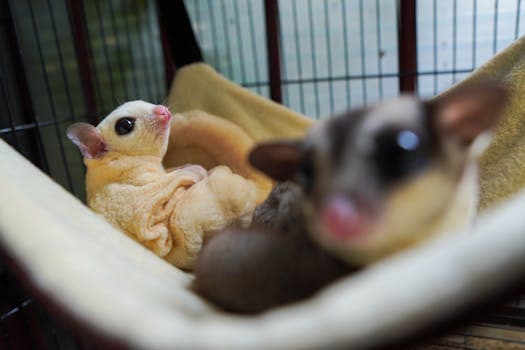
The answer depends on the species and the owner setup. Many exotic pets can be rewarding companions when kept in appropriate environments and given consistent care. For example, small mammals like certain primates or sugar gliders can bond with their human families when provided with enrichment, social interaction, and species specific needs. Reptiles may be more solitary but can still form a routine with their guardian through predictable handling and habitat maintenance. Birds can be curious and vocal, offering interactive experiences if their needs for space socialization and mental stimulation are met. The key is aligning your expectations with what the animal requires and ensuring you have the time and resources to meet those needs.
Owners should expect to invest in high quality enclosures, climate control, specialized diets, and regular veterinary care. It is also important to plan for potential long term commitments, as some species may live many years. If you are new to exotic pets, start with species known for easier care and strong care guidance before expanding to more complex animals.
How to choose the right species for your home
- Assess your space and climate: Some animals need controlled humidity and temperature; others tolerate more variability. You may also find our guide on how to cut dog hair helpful.
- Evaluate time and enrichment needs: Daily interaction windows and mental stimulation are essential for many species.
- Study diet requirements: Some exotics require specialized foods that may be seasonal or expensive.
- Investigate legal requirements: Check local regulations and licensing where required.
- Consult a veterinarian or exotic pet specialist: A professional can help match a species to your home and lifestyle.
For example, a sugar glider thrives with a tall enclosure and social interaction but cannot be left entirely alone for long periods; a well planned routine with enrichment activities is essential for health and happiness. In contrast, some reptile species may require precise temperature gradients and humidity, but minimal handling, making them suitable for homes with busy schedules if the habitat is well designed.
Habitat and housing essentials for popular exotic pets
Proper housing creates the foundation for health and behavior. The enclosure should reflect the species natural habitat, provide safe ventilation, and be easy to clean. For many exotics, a multilevel setup with climbs and hides reduces stress and encourages exercise. Be mindful of materials that can harbor moisture or harbor toxins and choose non toxic substrates and furnishings. Regular cleaning routines prevent disease and maintain a comfortable living environment.
When you design housing, consider escape prevention, temperature control, humidity, lighting cycles, and enrichment options. A good enclosure is not just a container but a dynamic space that supports natural behaviors, such as climbing, burrowing, or foraging. You will want to tailor substrates, lighting, and humidity to the chosen species to maintain health and well being.
Enclosures for small mammals and flying species
Small mammals such as sugar gliders or certain small rodents need secure cages with proper ventilation and multiple climbing structures. A vertical space helps mimic arboreal habitats, while soft substrates help prevent foot injuries. For birds, aviaries or large flight cages with perches and enrichment toys support exercise and mental stimulation. For any enclosure, regular cleaning and safe, non toxic materials are essential to prevent respiratory or skin issues.
When evaluating an enclosure, ask: Does the habitat allow for natural movement patterns? Are there safe areas for hiding and resting? Is the substrate easy to clean and non toxic? Answering these questions helps ensure the pet is comfortable and active rather than stressed or lethargic.
Diet and nutrition guidelines tailored to exotic pets
Nutrition is a core pillar of exotic pet care. A balanced diet supports growth, energy, and immune function. Diet requirements vary greatly by species; some animals are omnivores with diverse menus, while others are primarily herbivores or insectivores. Always source species appropriate foods and avoid grown foods that can cause harm. When introducing new foods, do so gradually while watching for digestive changes.
Water quality and hydration are equally vital. Some species drink frequently and require clean, fresh water daily or more often. Others obtain a large portion of hydration from their food. Monitor weight and body condition regularly to detect early signs of dietary problems. If you are unsure about diet specifics, consult with a veterinary nutritionist who has experience with exotic species.

In addition to core meals, enrichment feeding can support foraging behavior and mental stimulation. For example, hide treats in puzzle feeders to encourage problem solving and slow eating. Rotate food varieties to prevent picky eating and ensure a broad spectrum of nutrients, while avoiding toxic plants and substances.
Many owners find that proper grooming routines help reduce stress during dietary changesHealth care and veterinary needs for exotic pets
Regular checkups with a veterinarian who specializes in exotic animals are essential. Routine health screenings, vaccinations where applicable, parasite control, dental care, and early disease detection save time, money, and suffering later. Create a health plan with your vet that includes preventive care and emergency protocols. Recognize warning signs that require veterinary attention such as sudden weight loss, lethargy, changes in appetite, abnormal feces, or respiratory distress.
Keeping a detailed health record with dates of vaccinations, examinations, worming schedules, and any medications helps you stay organized and informed. If you are unsure about a change in behavior, contact your vet promptly. Early intervention can be the difference between a minor issue and a serious problem.
Behavior and enrichment strategies that support welfare
Exotic pets benefit from enrichment that mirrors natural behaviors. For many species, this means providing a challenge, variety, and routine. Toys should be safe and appropriate for the animal size and species, and enrichment activities should be varied to prevent boredom. Social animals need interaction, while more solitary species may require predictable daily routines and quiet spaces. Reducing stress through stable housing, gentle handling, and consistent routines improves overall well being.
Introduce enrichment gradually to avoid overstimulation. Observe how the animal reacts to new toys or stimuli and adjust accordingly. Enrichment can include foraging puzzles, climbing structures, scent games, and hands on handling sessions that are gentle and respectful of species specific comfort levels.
Training and socialization with exotic pets
Training is not always about obedience for exotic pets; it is about building trust and facilitating safe handling. Positive reinforcement training based on rewards such as treats, praise, or play strengthens your bond and makes daily care easier. Some species can learn simple routines, while others benefit more from environmental modifications that reduce stress and encourage healthy behavior. Always tailor training to the animal background and temperament. Avoid punishment or forced handling, which can lead to fear or aggression and complicate care.
Begin with short training sessions, ensuring the animal remains calm and engaged. Gradually increase session length as the animal becomes comfortable. Documentation of progress helps you refine methods and share insights with your veterinarian or an exotic pet community for advice.
Legal, ethical, and welfare considerations
Legal considerations include permits, zoning, and importer restrictions. Ethical care means ensuring the animal has a habitat that meets its complex welfare needs and avoiding creatures that would suffer due to improper housing or neglect. Reputable breeders or rescue organizations provide essential guidance and support during the adoption process. Consider adopting from shelters or rescue groups when possible, as this gives a home to animals in need and can be a responsible path to ownership.
Be mindful of conservation implications and environmental impact when selecting a pet. Some species contribute to ecosystem instability if released into non native environments. Always choose species whose care is sustainable and legal within your region to safeguard animal welfare and public safety.
Real world case studies and practical examples
Case studies illustrate how planning and careful care translate into thriving exotic pets. Example one involves a sugar glider family that benefits from a tall, well ventilated enclosure, toys that promote flight and climbing, and a social group that provides companionship. Regular veterinary checkups and a consistent routine helped maintain weight, energy, and a peaceful temperament. Example two covers a confident lizard keeper who created a temperature gradient in the enclosure, managed humidity, and used a variety of insects and greens to ensure nutrition while avoiding common dietary pitfalls. In both cases, proactive planning, careful sourcing, and respect for species specific needs culminated in successful, enjoyable ownership for years.
Routine care checklist for exotic pets
- Daily observation of eating, activity, and hydration
- Regular habitat cleaning and substrate replacement
- Timed lighting and heat cycles to mimic natural patterns
- Weekly enrichment activities and handling sessions
- Monthly health checks and vet visits as scheduled
Consistency is key. A predictable routine reduces stress and supports long term wellness for most exotic pets. If you are unsure how to adapt routines for a specific species, seek guidance from a qualified exotic pet professional.
Conclusion
Curious exotic pets can make wonderful companions when their complex care needs are met with preparation, knowledge, and ongoing commitment. By choosing the right species for your home, designing proper habitats, providing balanced nutrition, ensuring regular veterinary care, and implementing enrichment and training strategies, you position yourself and your pet for a thriving relationship. If you are a pet owner considering exotic companions, start with careful research, connect with local exotic pet communities for practical tips, and consult a veterinary expert to tailor a care plan that suits your lifestyle. Your thoughtful approach today leads to a healthier, happier bond tomorrow.