Home
Home
Introduction: Can You Enjoy Exotic Pets in a Small Living Space
You might assume that exotic pets require large enclosures and expansive homes. You are not alone in wondering if small apartments or compact houses can host remarkable animals. The answer is yes when you choose species that adapt well to limited space, proper enrichment, and responsible ownership. This article explores curious exotic pets that thrive in small homes, offering practical guidance, care routines, and safety considerations to help you make informed decisions.
What Defines an Exotic Pet in a Small Home
Exotic pets are non traditional companions that range from small marsupials to colorful reptiles and unusual mammals. In a small home, these animals are best suited when they are compact, relatively quiet, and appeal to your ability to provide daily care. An ideal candidate is species that do not demand extensive flight space or large social structures. It is essential to understand housing needs, temperature and humidity requirements, diet, enrichment activities, and legal considerations before bringing any exotic pet home.

Are Small Exotic Species Good For First Time Owners
Some small exotic animals are resilient and straightforward to care for, while others require specialized knowledge or medical support. A careful evaluation of your lifestyle, time, budget, and expertise helps identify which species are a good fit. Begin with a realistic plan that covers enclosure setup, feeding schedules, vet access, and emergency contingencies. For first time owners, choosing species with predictable behavior and clear care guides reduces stress for both you and the animal.
How to Choose an Exotic Pet That Suits a Small Home
Assess Your Living Space and Local Regulations
Start by mapping your space including living room corners, bedrooms, and storage areas. Some animals need quiet zones and controlled lighting. Check local laws and housing association rules to avoid legal issues. Certain cities restrict specific species or require permits. Always confirm that your choice aligns with local pet ownership regulations before purchasing.
Consider Temperature and Humidity Control
Many exotic pets rely on precise environmental conditions. A terrarium or enclosure should mimic natural habitats with stable temperatures, humidity, and lighting. Use reliable thermometers and hygrometers to monitor the environment. Plan for seasonal changes and backup power for heat lamps or humidity control systems to prevent sudden shifts that stress the animal.
Evaluate Diet and Nutritional Needs
Exotic pets need diets tailored to their species. Some thrive on prepared diets, while others require fresh produce, live insects, or specialized pellets. Create a weekly meal plan that accounts for feeding frequency, portion sizes, and nutrient balance. Avoid feeding humans foods that can be harmful and consult a veterinary nutrition guide when unsure.
Look for Social and Behavioral Traits
Behavior matters greatly in compact homes. Some species are nocturnal or highly vocal, while others are shy and reserved. Consider whether you want a companion that enjoys gentle handling, or one that remains more independent. Observing behavior patterns during trial periods or with reputable breeders can help you gauge compatibility with your living situation.
Vet Accessibility and Health Care
Access to a veterinarian who specializes in exotic species is crucial. Before adopting, identify local clinics that offer diagnostic services, preventive care, and emergency treatment for reptiles, small mammals, and avian species. Build a relationship with a vet who can provide vaccination schedules, parasite control, and medical advice tailored to your chosen animal.
Top Exotic Pets That Thrive in Small Homes
Below are several species known for their ability to adapt to compact living spaces when provided with proper care, enrichment, and enrichment. Each entry includes lifestyle notes, space requirements, and practical tips for daily care.
1. Sugar Glider
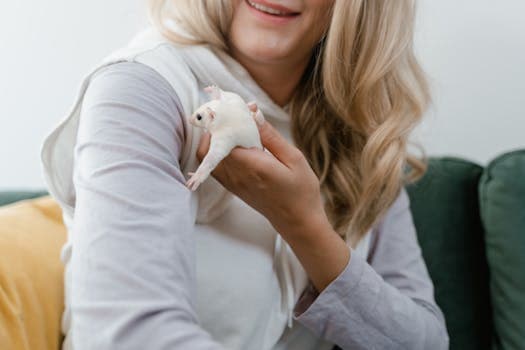
What they are Sugar gliders are small nocturnal marsupials native to Australia and nearby regions. They glide between limbs using a membrane that stretches from wrist to ankle, making them delightful and active companions when kept in pairs or small groups. They are intelligent, social, and curious about human interaction.
Space and enclosure needs A tall, multi level cage with branches, enrichment puzzles, and resting pouches suits a sugar glider. They require vertical space more than horizontal area, a temperature range around 75 to 80 degrees Fahrenheit, and a humidity level between 50 and 70 percent. Daily supervised playtime outside of the cage enhances bonding and reduces stress.
2. Leopard Gecko
What they are Leopard geckos are small, hardy lizards that adapt well to home terrariums. They are relatively easy to handle and have simple dietary needs compared with many reptiles. They do not require ultraviolet light for growth, though a low level UVA light is beneficial for activity.
Space and enclosure needs A 20 gallon tank or larger with a warm basking spot and cool retreat area works well. Substrate choices like reptile carpet or paper towels make cleanup easier. A balanced day night cycle and appropriate heat gradient fosters healthy shedding and appetite.
3. African Pygmy Hedgehog
What they are African pygmy hedgehogs are small, nocturnal mammals that can become affectionate with regular handling. They have a polite temperament if socialized from young age, though they can be shy at first. They are curious foragers that enjoy exploring a safe environment.
Space and enclosure needs A secure wire or solid wall enclosure with a minimum floor space is essential. Provide hiding spots, a shallow water dish, and a varied diet of prepared hedgehog food, insects, and occasional fruits. Maintain warmth around 72 to 80 degrees Fahrenheit and monitor for signs of stress.
4. White Eye Tree Frog
What they are White eye tree frogs are vibrant tropical amphibians that adapt well to terrarium life. They are generally quiet and do well with careful handling restrictions. These frogs enjoy high humidity and climbing spaces that mimic a rainforest environment.
Space and enclosure needs A tall glass terrarium with good humidity control, a shallow water dish, live plants, and moss provides a naturalistic habitat. Mist the enclosure daily and ensure the temperature remains within 70 to 80 degrees Fahrenheit depending on the species variant used.
5. Dwarf Ferret
What they are Dwarf ferrets are energetic social mammals known for their playful personalities. They can adapt to apartment living when provided with regular play, enrichment, and a consistent daily routine. Like many small mammals, they benefit from social interaction either with other ferrets or human companions.
Space and enclosure needs A spacious cage with multiple levels, tunnels, and enrichment toys is ideal. They require daily exercise outside of the cage and a diet of high quality ferret food with occasional treats. Regular veterinary checkups support ongoing health and well being.
6. Koi or Goldfish in a Compact Indoor Pond
What they are Aquatic pets like koi or goldfish can thrive in well designed indoor ponds or vivariums that fit a modest space. They are quiet, low stress, and offer a tranquil focal point for a living area. They do require filtration and routine tank maintenance.
Space and enclosure needs A properly sized tank with reliable filter systems, aeration, and adequate lighting is essential. Plan for water changes, monitoring for ammonia and nitrite, and feeding schedules that keep water quality high while meeting the fishs dietary needs.
Best Practices for Enclosure Design and Enrichment
Build a Safe and Stimulating Environment
A well designed enclosure balances safety and stimulation. Use escape proof barriers, non toxic substrates, and secure latching for small animals. Add climbing structures, hiding spots, and puzzle feeders to encourage natural behaviors and mental engagement. Rotate enrichment items to maintain interest.

Establish a Routine That Works for Both You and the Pet
A predictable daily routine reduces stress for exotic pets. Set times for feeding, enrichment, cleaning, and quiet rest. Use a calm, gentle handling approach and limit handling to appropriate durations for each species. A routine also helps you plan for vet appointments and emergency readiness.
Nutrition Made Practical
Tailor diets to each species with fresh foods, fortified pellets, and occasional supplements as needed. Maintain clean, fresh water at all times and monitor feeding responses. Keep a simple log of meals and appetite to detect early health issues.
Health and Preventive Care
Schedule routine veterinary visits and parasite screenings. Keep vaccinations up to date where applicable and follow deworming and parasite control guidelines. Early signs of illness include appetite loss, lethargy, respiratory changes, abnormal stools, or skin and shell issues. Seek veterinary advice promptly when these appear.
Ethical and Legal Considerations for Exotic Pets
Legal Compliance
Many places regulate ownership of exotic species. Before adopting, verify permits, import restrictions, and any quarantine requirements. Choose species that are legal to own in your area and support local breeders or rescues with transparent practices.
Welfare and Ethical Sourcing
Ethical sourcing means buying from reputable breeders or rescue organizations that prioritize the animals welfare and avoid contributing to illegal wildlife trade. Avoid wild caught animals unless a conservation program or rehabilitation facility explicitly supports such practices and legal guidelines are followed.
Long term Commitment
Exotic pets can live for many years. Plan for long term care including housing, veterinary needs, diet, and eventual housing transitions if your living situation changes. A clear plan helps ensure the animals well being across life stages and potential owner turnover.
Safety, Training and Handling Tips for You and Your Exotic Pet
Handling Principles for Common Species
Each species has unique handling requirements. Gentle, calm movements and patience help reduce stress. Always support the animals body, avoid sudden movements, and respect signs of discomfort. For reptiles, minimize handling to reduce stress; for small mammals, regular socialization can improve trust over time.
Training for Enrichment and Cooperation
Use positive reinforcement methods such as treats, praise, and treat based rewards to encourage desired behaviors. Short, frequent training sessions can improve cooperation during feeding, enclosure cleaning, or veterinary checks without causing fear.
Emergency Preparedness
Keep a pet first aid kit, know signs of illness specific to your animal, and have a plan to reach a veterinarian quickly. Store essential supplies in a ready to access location and ensure you have a contact list for nearby clinics and emergency services.
What to Expect in a First 30 Days with a Small Home Exotic
The first month is about adjustment for both you and the animal. You will observe appetite, activity levels, sleep patterns, and interaction with environments. Use a simple daily log to track changes, reinforce routines, and identify any potential problems early.
During this time, create a consistent day night cycle, maintain stable temperatures, and introduce enrichment gradually to avoid overstimulation. If signs of stress persist, revisit enclosure design, diet, and handling practices. Your goal is a healthy routine that balances sleep, play, and care needs.
Common Mistakes to Avoid When Owning Exotic Pets in a Small Home
Overlooking Environmental Controls
Underestimating the need for precise temperatures or humidity is a frequent error. Small habitats can heat or dry out quickly. Use reliable devices and backup plans for power outages to maintain stable conditions.
Neglecting Enrichment
Without enrichment, even a small animal can become bored and stressed. Regularly change toys, feeding puzzles, and perching options to mimic natural behaviors and curiosity.
Inadequate Vet Support
Limited access to exotics veterinarians leads to delayed diagnosis and treatment. Research local specialists before adoption and establish a care plan with your chosen clinic.
Incompatible Companions
Mixing animals inappropriately can lead to injury and stress. Carefully plan social housing and supervise initial interactions. Some species should always be kept solitary or only in same species groups.
Conclusion: Ready to Welcome an Exotic Pet into a Small Home
Choosing an exotic pet for a small living space is about balancing space, environment, diet, social needs, and ongoing care. With thoughtful enclosure design, proven enrichment strategies, and access to expert veterinary care, you can enjoy a remarkable companion that thrives under your care. Remember to verify legal requirements, commit to long term welfare, and adopt responsibly from reputable sources. If you are ready to begin your journey, start with a clear plan, gather the right equipment, and reach out to local exotic animal resources to guide you through the process.