Home
Home
Introduction to Curious Exotic Pets that Thrive in Apartments
You want a pet that stands out yet fits your city living routine. Curious exotic pets that thrive in apartments offer that blend of novelty and practicality. In this guide you will learn which species adapt best to compact living, how to create a stimulating habitat, and what responsibilities you must uphold to keep them healthy and happy. This overview clarifies which pets can thrive indoors without requiring vast space or constant outdoor access, while also outlining practical care strategies and safety considerations for apartment life.
Before diving in, remember that responsible exotic pet ownership hinges on understanding behavior, diet, habitat needs, and local regulations. The following sections break down each facet into actionable steps so you can confidently choose a pet that fits your apartment lifestyle and personal schedule. You will discover practical tips you can implement today to reduce stress for your new companion and ensure a harmonious home environment.

What Counts as an Exotic Pet and Why Apartments Matter
Exotic pets are creatures that fall outside the usual cats and dogs category. They include small mammals, reptiles, birds, and certain invertebrates that require specialized care. When you live in an apartment, space, noise, temperature control, and enrichment options become central to pet welfare. A good apartment friendly exotic pet is one that is relatively compact, adaptable to indoor habitats, and not overly loud or nocturnal to disturb neighbors. For some hobbyists, small lizards or certain bird species offer exciting enrichment without demanding a large fenced outdoor area.
Apartment care emphasizes a stable climate, consistent routine, and readily available supplies. It also requires a proactive approach to waste management, enclosure cleaning, and safe handling. The pet that thrives in an urban setting is not just a novelty; it is a creature that can thrive on a predictable schedule and with deliberate enrichment. As you evaluate options, consider your daily schedule, trip frequency, and willingness to learn species specific needs.
Top Apartment Friendly Exotic Pets and Why They Work
Several exotic species adapt well to apartment living when given proper housing and enrichment. This section outlines options that pet owners frequently choose for compact homes. Each entry includes key care considerations and practical tips tailored to small space living.
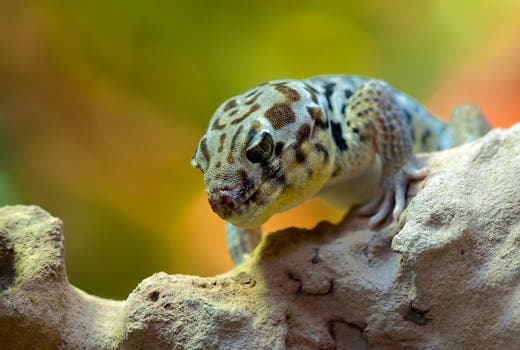
- Leopard Geckos are compact, easy to handle, and tolerate indoor temperatures with a heat source. This relates to how cut dog. They do not require daily handling and are relatively quiet, making them a practical choice for first time keepers. A shallow terrarium with hiding spots and warm basking areas supports natural behaviors and reduces stress.
- Ball Pythons require a secure enclosure, steady temperature gradients, and minimal handling. They are generally calm and take readily to feeding routines. Their quiet presence makes them suitable for apartments where noise sensitivity is a concern.
- Day Old Parakeets and other small parrots can be highly social and engaging. They demand a daily commitment to social interaction and mental stimulation, but when given a proper cage setup and training, they can thrive in well lit apartments with careful noise management.
- Sugar Gliders are small and highly social marsupials that need a roomy vertical enclosure and daily bonding time. They appreciate enrichment like climbing structures and foraging opportunities. They are active at dawn and dusk, which should fit your schedule if you can align playtimes with their cycle.
- Hamster and Gerbil Varieties offer compact housing options, simple diets, and short daily care windows. They are ideal for people who want a manageable exotic experience without extensive space requirements, as long as enclosures are secure to prevent escapes.
How to Choose an Exotic Pet for Apartment Living
Choosing the right exotic pet starts with honest self assessment. Evaluate your daily routine, tolerance for noise, ability to maintain enclosure hygiene, and your willingness to learn species specific care. Begin by listing your priorities such as low noise, minimal daily handling, or high social interaction. Then map these priorities to potential species. A methodical approach helps prevent impulse purchases that lead to future stress for both you and the animal.
Important questions to ask yourself include whether you can provide stable temperatures, humidity control, and a reliable source of specialty foods. Some species require regular veterinary care with specialists who understand exotics. It is essential to verify local regulations and housing restrictions before acquiring any animal. By choosing a species that fits your apartment environment, you create a foundation for long term welfare and enjoyment.
Habitat Design for Small Spaces
The habitat is the heartbeat of your exotic pet apartment setup. A well designed enclosure supports natural behaviors while being easy to clean and secure. Here are practical guidelines for creating a living space that promotes health and reduces stress.
First, select an enclosure that matches the species natural history. For geckos, vertical climbing space matters; for snakes, a secure, escape proof terrarium with a temperature gradient is essential. Second, implement a stable temperature and humidity plan. Use thermostats and thermometers to monitor microclimates within the enclosure. Third, provide hiding spots, branches, and enrichment items to encourage exploration and reduce boredom. Finally, ensure easy access for cleaning and feeding to maintain hygiene without disrupting the animal’s routine.
Enclosure placement also matters. Keep habitats away from direct drafts, heater vents, and busy walkways. A quiet corner with consistent light cycles helps regulate sleep patterns. When possible, place enclosures on low vibration surfaces to minimize stress responses in sensitive species. Small adjustments in enclosure design can yield outsized welfare benefits.
Diet and Nutrition for Apartment Exotic Pets
Nutrition is the backbone of health for any exotic pet living in an apartment. A well balanced diet supports growth, immunity, and energy for daily enrichment activities. Diet guidelines vary widely by species, but there are common principles that apply across many care plans. Always start with fresh, species appropriate foods and avoid impulse feeding that can cause obesity or digestive issues. Hydration is another critical factor; many pets obtain moisture from their foods, while others require supplemental water sources.
Geckos typically thrive on calcium rich insects and gut loaded prey, while sugar gliders rely on a nectar like supplemented diet plus fresh produce. Parrots need a varied seed mix or formulated pellets with fresh fruits and vegetables. Snakes eat according to cold blooded metabolism and require prey that is appropriately sized to prevent regurgitation or regressive digestion. Understanding the species specific dietary needs is vital for health and longevity.
Always consult a veterinarian or exotic animal nutritionist before making major dietary changes. A slow transition from old foods to new choices can prevent digestive upset and encourage acceptance of new items. In apartment living, convenient options such as pre prepared diets or locally available specialty foods can reduce stress for owners who lead busy lives.
Health and Veterinary Care in an Urban Setting
Access to veterinary care is a critical consideration when choosing any exotic pet. Not all clinics handle exotic species, and some require travel to a specialty practice. Before bringing a pet home, confirm that a local veterinarian has experience with the chosen species and offers preventive care such as vaccines, parasite screening, and routine wellness checks. You should also understand emergency care options and identify the closest emergency animal hospital in case of sudden illness or injury.
Seasonal changes in temperature and humidity can influence disease risk. In apartment environments, drafts, fluctuating heating cycles, and humidity fluctuations can contribute to respiratory issues or skin problems. Regular enclosure cleaning reduces bacterial and fungal growth that could threaten health. A good practice is to perform routine health checks on your pet and keep a log of behavior, appetite, and weight changes to discuss with your veterinarian.

Behavior and Enrichment for Busy Owners
Exotic pets require mental stimulation and physical activity to prevent stress and boredom. Enrichment activities mimic natural foraging, climbing, and social behaviors in a controlled indoor setting. For social species like parrots and sugar gliders, daily bonding time is essential for emotional well being. Enrichment strategies include foraging toys, puzzle feeders, climbing structures, and gentle handling sessions. For species that prefer solitude such as many reptiles, enrichment focuses on habitat complexity rather than social interaction.
Consistency is key. Establish a predictable daily routine for feeding, cleaning, social interaction, and rest. This helps your pet anticipate activities, reducing anxiety and promoting a relaxed demeanor. If your schedule changes, plan alternate enrichment and care routines to maintain balance. If a pet shows signs of stress, such as increased vocalization, loss of appetite, or lethargy, reassess the habitat and routine. You may need to adjust temperature, humidity, lighting, or enrichment offerings to restore comfort.
Common Mistakes to Avoid in Apartment Exotic Pet Care
Even well meaning owners can run into problems when caring for exotic pets in apartments. Common errors include underestimating the need for enrichment, neglecting enclosure hygiene, and failing to verify local regulatory requirements. Some individuals buy an animal based on novelty rather than long term alignment with their lifestyle. This often results in a difficult transition for the pet and a sense of frustration for the owner.
Another frequent issue is improper housing design. An enclosure that is too small or lacks a secure lid can lead to escapes or injuries. In addition, feeding the animal with inappropriate foods can cause digestive issues or nutrient imbalances. Finally, many owners neglect preventive veterinary care due to cost concerns or availability of exotic specialists. Planning ahead and budgeting for veterinary care ensures sustainability and reduces risk for both parties.
Legal and Ethical Considerations for Apartment Life
Legal restrictions on exotic pets vary by city, state, and housing complex. Some apartments prohibit certain species or require permits. It is essential to research local regulations and your building’s pet policy before acquiring any animal. Ethical considerations include the welfare implications of removing wild or endangered species from their native habitats. Responsible ownership emphasizes enrichment, appropriate housing, and compliance with regulations to protect the animal and the community.
Practical Startup Checklist for New Exotics in Apartments
- Research the species thoroughly, including habitat, diet, temperature needs, and social behavior.You can explore female cats spray for additional insights.
- Consult a veterinarian who specializes in exotics to confirm health considerations and preventive care.
- Secure an appropriate enclosure with locking mechanisms and safe substrates.
- Set up climate controls and monitoring devices for temperature and humidity.
- Plan an enrichment program that fits your schedule and space.
- Establish a routine for feeding, cleaning, and exercise that supports welfare.
- Confirm legal requirements and housing regulations before acquisition.
How to Transition Your Family and Living Space
Bringing an exotic pet into an apartment affects multiple family members and routines. Start with clear education about the animal needs and safety considerations for children and visitors. Assign age appropriate duties for household members to participate in daily care and enrichment. Using visual schedules and reminder systems can help everyone stay consistent. A calm introduction period and gradual acclimation to the new environment reduces stress for both the pet and the household.
Case Studies: Real World Apartment Exotics
Real world experiences illustrate how different species adapt to apartment life. A Leopard Gecko owner reported consistent appetite, steady growth, and minimal noise complaints after establishing a warm basking zone and routine cleaning. A Sugar Glider keeper created a vertical habitat with foraging wheels and nightly bonding sessions, yielding high engagement and enriched behavior patterns. In another case, a Parrot owner faced noise challenges and implemented sound masking and structured training to minimize disturbances while maintaining social interaction. These examples show the value of thoughtful habitat design, routine, and enrichment in apartment settings.
Frequently Asked Questions
Are exotic pets legal to own in apartments varies by location and building policy. Always check local laws and lease agreements before purchasing. Policy checks and safety considerations are essential steps in planning.
Do exotic pets require professional care Yes, many need specialized veterinary services. Establish a relationship with a local exotic animal clinic early and keep a care calendar to stay on top of vaccinations, parasite checks, and routine exams.
What are the best enrichment ideas for small apartments Focus on vertical space, interactive feeders, foraging puzzles, and scheduled play sessions. Rotation of toys and hiding spots helps prevent boredom and promotes natural behaviors.
Conclusion and Call to Action
Apartment friendly exotic pets can be a rewarding addition to a busy urban lifestyle when care routines are well planned. By choosing species wisely, designing habitats thoughtfully, and providing consistent enrichment and veterinary care, you create a thriving home for a remarkable companion. If you are ready to explore more hands on guidance, start with a clear assessment of your daily rhythm, financial readiness, and willingness to commit to ongoing learning. Your next step could be to consult a local exotic veterinarian to discuss suitability and a preliminary care plan. With the right preparation, your apartment can become a welcoming habitat for a curious and engaging exotic pet that fits your life and your space.
For practical care tips on everyday pet health and welfare, consider simple actions such as ensuring fresh water daily, monitoring appetite changes, and scheduling routine enclosure cleanings. These small steps compound into big gains over time and help you maximize the welfare of your apartment companion. Remember, the best exotic pet in an apartment is one that aligns with your routine and space while delivering joy and learning for years to come.