 Home
Home
Why Some Exotic Pets Are a Good Fit for Apartments
Apartment living often means limited space, close neighbors, and strict pet policies. Yet some exotic pets adapt beautifully to this environment. With the right setup, daily routine, and responsible ownership, these creatures can be rewarding companions that bring unique charm to small spaces.
Choosing an exotic pet isn’t just about novelty. It requires understanding the species’ needs, including housing, enrichment, diet, and health care. This article explores curious exotic pets that tend to do well in apartments, what to consider before adopting, and practical tips to create a safe, stimulating home.

Small Mammals That Fit a Studio: Ferrets and Friends
Small mammals often top the list for apartment dwellers due to their compact size and social nature. Ferrets, sugar gliders, and certain rodents can be engaging companions with the right enrichment and space management. Before committing, research each species’ exercise, grooming, and temperament to ensure a good match for your lifestyle.
Ferrets, for example, are curious and energetic. They benefit from supervised play in a secure area and daily interaction. If you’re considering a ferret, plan for enrichment that supports their natural inquisitiveness and prevents boredom.
Birds That Adapt to Urban Living
Several bird species thrive in apartment settings when housed in appropriately sized cages and provided with mental stimulation. Budgerigars (budgies), cockatiels, and green-cheeked conures are popular choices for indoor environments. They enjoy puzzle feeders, shreddable toys, and regular social interaction with their human caretakers.
Birds can be high-energy and vocal, so consider noise level and building policies. A calm, predictable routine helps reduce stress for both the bird and neighbors. Regular cage maintenance and safe perches are essential for long-term health.
Reptiles and Amphibians: Compact, Calm, and Captivating
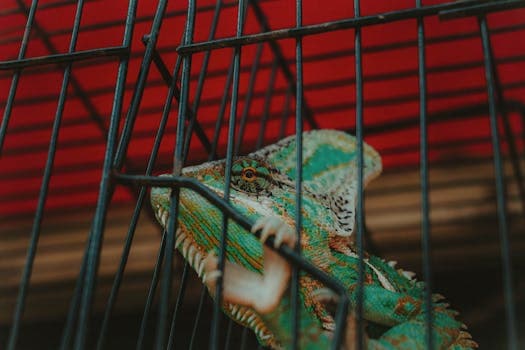
Some reptiles and amphibians are surprisingly well-suited to apartment life, provided their thermal and humidity needs are meticulously met. Leopard geckos, crested geckos, and certain tree frogs can be manageable pets for compact spaces. They typically require a terrarium with careful temperature gradients, humidity control, and hiding spots that mimic their natural habitat.
Reptile care isn’t minimal maintenance. It demands consistent monitoring of enclosure conditions, UV lighting where appropriate, and a clean environment to prevent health issues. When done correctly, these quiet, low-odor room companions can be satisfying additions to an urban home.
Small Aquatic Possibilities: Pleasing in Apartments
Aquatic setups, including small terrariums and nano tanks, offer a different kind of pet ownership. Some tropical freshwater fish, dwarf shrimp, and micro-terrarium keepers can thrive in apartment settings with stable water parameters and clean tanks. Aquatic habitats require ongoing maintenance, but they bring a tranquil, eye-pleasing element to living spaces.
For those drawn to aquatic life, start with a beginner-friendly setup and keep a strict routine for water changes and testing. Avoid overstocking and choose species that share similar temperature and pH requirements to minimize stress and aggression.
What to Consider Before Adoption
Adopting an exotic pet is a long-term commitment that goes beyond initial excitement. Consider space, noise, heat, humidity, and the pet’s lifespan. Some species live for decades, meaning you’re planning for the long haul.
Legal and ethical considerations matter too. Check local regulations, permits, and housing policies. Ensure you’re sourcing from reputable rescues or breeders who prioritize animal welfare and welfare standards.
Enclosures, Enrichment, and Everyday Care
Enclosures should be purpose-built for the species, with secure latches, escape-proof designs, and easy-to-clean surfaces. For birds, think about perches, swings, and foraging opportunities. For small mammals, provide tunnels, tubes, and chewable substrates that are safe and varied.

Enrichment is essential to prevent boredom and behavioral problems. Rotate toys, introduce new textures, and schedule foraging activities. Regular handling and social interaction help maintain a healthy bond between you and your pet.
Diet and Health: Keeping Exotic Pets Thriving
Dietary needs can be vastly different across species. Some require specialized diets that must be prepared with precision. Always source high-quality ingredients and consult a veterinarian with exotic pet experience for balanced nutrition plans.
Routine health checks, parasite prevention, and stress management are key. Establish a relationship with a veterinarian who understands exotics and set up a preventive care schedule early on.
Safety, Cleanliness, and Neighborly Considerations
Some exotics may have odors, shedding, or risks that affect apartment living. Regular cleaning, proper ventilation, and containment help keep your home pleasant for everyone. Be mindful of neighbor noise and ensure your pet’s activities don’t disturb others.
Always train household members on safe handling and create a pet-friendly space that respects both your pet’s needs and the building’s rules.
Choosing the Right Exotic Pet for Your Lifestyle
Not every exotic pet will thrive in every apartment. Your decision should align with your daily schedule, budget, and commitment to ongoing care. Start by honestly assessing how much time you can dedicate to enrichment, veterinary visits, and habitat upkeep.
It helps to visit a local rescue or a reputable breeder to observe behaviors and ask questions about care requirements. Speaking with other apartment-dwelling exotic pet owners can also provide practical insights you won’t find in a brochure.
Practical Setup: A Quick Guide
- Invest in a secure enclosure with adequate space for movement and enrichment.
- Provide a consistent daily routine to reduce stress and promote wellbeing.
- Choose species-appropriate lighting, humidity, and temperature controls.
- Stock safe toys, foraging challenges, and hiding spots.
- Plan for ongoing veterinary care and emergency readiness.
Common Myths About Exotic Pets in Apartments
Misinformation about exotics can lead to ill-advised adoption. Popular myths include the idea that all exotic pets are low maintenance or that small spaces aren’t a problem. In reality, each species has specific care demands that must be met to keep them healthy and happy.
Responsible owners know that successful apartment living hinges on research, preparation, and a long-term care plan. If you’re unsure, consider adopting a pet that’s known to adapt well to apartment life and build from there.
Responsible Ownership: Ethics and Legality
Ethical ownership goes beyond legality. It means committing to the pet’s welfare, sourcing from reputable sources, and ensuring the animal’s welfare throughout its life. If a pet doesn’t fit your living situation, it’s wiser to choose a different companion or consider fostering first.
Conclusion: A Thoughtful Path to Happy Companionship
Apartment living can be a great match for certain exotic pets when approached thoughtfully. The right enclosure, consistent care, and a commitment to enrichment pave the way for a thriving, low-stress relationship with your unique companion.





