Home
Home
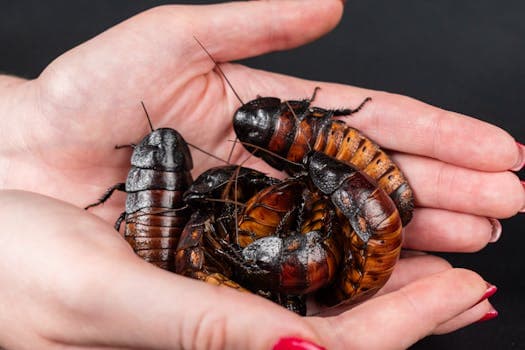
Introduction what you should know about exotic pets and daily routines
You want a pet that sparks curiosity yet fits your daily life. This article explains practical daily care for curious exotic pets and helps you avoid common pitfalls. You will find concrete steps you can take today to support health safety and happiness for your animal companions.
What counts as an exotic pet and why daily care matters
Exotic pets are creatures kept outside common dogs and cats and include species such as small mammals reptiles and birds. Daily care is not optional it shapes behavior nutrition housing and well being. A clear routine reduces stress and improves health indicators like appetite activity and coat or skin condition.

How to establish a practical daily care routine
- Set a fixed feeding window and choose species appropriate foods with balanced nutrition. Track portions and adjust for age and activity level.
- Provide clean water daily and check hydration signs such as moist lips and clear eyes. Replace water more often in hot weather or with high activity.
- Schedule safe time outside enclosure if permitted and supervise to prevent escapes or injuries. Use secure enclosures and enrichment during out of cage sessions.
- Offer enrichment toys and mental stimulation to avoid boredom which can trigger stress behaviors. Rotate toys weekly to maintain interest.
- Inspect habitat daily for cleanliness temperature and humidity. Tidy waste regularly and replace substrate as needed to prevent respiratory issues.
Habitat and safety considerations for different species
Different exotic pets require distinct environments. Reptiles often need regulated heat and humidity while marsupials may require social interaction. Always tailor your setup to the species you own and consult a veterinarian with experience in exotics for a formal care plan.
What to monitor daily and when to seek veterinary advice
Look for changes in appetite energy vocalization or stool patterns as early warning signs. A sudden drop in activity or weight warrants a professional check. Keep a simple notebook of daily observations to share with your vet during visits.
Practical tips you can implement this week
- Create a simple morning and evening routine with 5 clear steps each time you interact with your pet.
- Label feeds and quantities and keep a log for a month to spot trends in appetite and growth.
- Check habitat safety weekly by looking for chewed cords loose fittings or exposed wiring and fix immediately.
- Schedule micro enrichment like foraging puzzles or scent games to stimulate natural instincts.
Frequently asked questions
Q how much time should I dedicate daily to an exotic pet without overwhelming my schedule

A plan that covers feeding enrichment and habitat checks in 20 to 40 minutes can work for many species but always adapt to your animal needs
Q can I keep multiple exotic pets together safely
A some species are best kept alone while others may share space with proper introductions and supervision
Q where can I find reliable care guidance for exotic pets
A consult a veterinarian with exotic pet experience and use credible sources from veterinary schools and established rescue organizations
Conclusion what you gain with a solid daily routine
By front loading daily care and customizing routines you protect health reduce stress and build a strong bond with your exotic pet. Start with a simple plan this week and expand as you learn more about your companion.