Home
Home
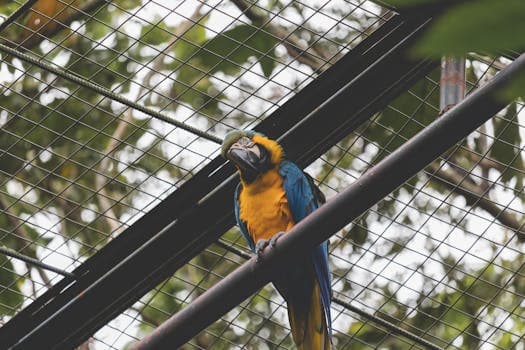
Bringing an exotic pet into your home is exciting, but it also comes with serious responsibilities. Safe ownership starts long before a pet is chosen, from understanding legal requirements to shaping the environment that will keep both animal and humans healthy and happy. This guide walks you through practical steps, common pitfalls, and real-world considerations so you can make an informed decision that lasts for years.
Exotic pets cover a wide range of species, each with unique needs. Some require specialized housing, exact diets, or medical care that a general household isn’t prepared to provide. The goal is to match your lifestyle and resources with a species that can thrive under your roof, while minimizing risk to your family and the animal.
Legal and Ethical Foundations
The first question every would-be owner should answer is whether keeping an exotic animal is legal where you live. Laws vary by country, state, and even municipality, and violations can lead to fines, confiscation, or criminal charges. Ownership legality often hinges on animal type, origin, and whether the animal is considered a safe companion in domestic settings. Some areas require permits, inspections, or registration, while others prohibit certain species entirely.

Beyond legality, ethics matter just as much as legality. Exotic pets may be well tolerated in zoos or sanctuaries, but living in a private home is a different context. Ethical ownership means ensuring the animal has species-appropriate enrichment, social structure, and medical care. It also means recognizing when a species cannot safely adapt to a home environment, even if a seller or breeder claims otherwise.
Before you even start looking for a pet, confirm your local regulations and readiness. This includes housing standards, climate control, and access to veterinary professionals who understand exotic species. You’ll also want to consider the impact on local ecosystems if the animal were ever released or escaped.
Assessing Your Home Environment
A successful exotic pet pairing begins with an honest assessment of your living situation. Space, climate, noise tolerance, and daily routines all influence what species will do well in your home. Large species often require sizeable enclosures, secure containment, and frequent, predictable caregiving schedules. Smaller, hardy creatures can be more adaptable but still demand specialized diets and enrichment.
Think about the long game. Exotic pets can live for many years, sometimes decades. Your future plans—travel, family changes, housing moves—will affect the animal’s welfare. A responsible owner plans for emergencies, seasonal changes, and the ongoing cost of food, bedding, medical care, and enrichment activities.
Another critical factor is safety. Some exotic species can carry zoonotic diseases or exhibit behaviors that pose risk to children or adults. Proper containment, hygiene practices, and education are essential to prevent accidents and health issues on both sides.
Diet, Habitat, and Enrichment Essentials
Diet is the backbone of an exotic pet’s health. Many species require precise nutrient balances, specialized supplements, or fresh foods sourced from reputable providers. A mismatch in diet can lead to digestive problems, malnutrition, or more serious conditions. Before choosing a species, research its dietary needs in-depth and assess whether you can reliably supply what’s required year after year.
Habitat is more than a cage or tank. It’s a tailored living space that replicates the animal’s natural environment as closely as possible. This means appropriate temperature ranges, humidity levels, lighting cycles, hiding spots, and opportunities for climbing, digging, swimming, or flying, depending on the species. A suboptimal habitat is a major contributor to stress, disease, and shortened lifespans.
Enrichment keeps an exotic pet mentally engaged and physically active. Toys, puzzles, forage opportunities, and social interactions are all part of daily care. Enrichment also reduces boredom, which can manifest as destructive or aggressive behaviors. Plan enrichment into your daily routine and upgrade it as the animal grows or as its preferences change.
Popular Safe Exotic Pets and Their Demands
Not every exotic species is a good fit for a typical home. Some are better suited to experienced keepers with specialized facilities. Below is a survey of commonly considered “safer” exotic pets for well-prepared households, along with practical notes on care, triggers, and red flags.
- Small mammals with steady temperaments: Species like certain rodents and lagomorphs can be good first steps if you commit to a stable routine, enrichment, and regular veterinary care specialized for small mammals. They often require careful handling to prevent stress, and their housing should be escape-proof and easy to clean.
- Aquatic or semi-aquatic animals: Amphibians, fish, and some reptiles thrive in controlled habitats. They demand precise water parameters, filtration, and monitoring. Mistakes in water chemistry can lead to illnesses quickly, so investing in reliable testing equipment and a maintenance schedule is key.
- Reptiles with strict husbandry needs: Certain lizards or snakes can fit into a responsible home when you can provide appropriate heat sources, UV lighting, humidity control, and specialized diets. These are not pets for casual interest; they’re long-term commitments with serious husbandry requirements.
- Birds with gentle temperaments: Some small bird species are sociable and manageable in a home with steady routines and enrichment. They still need safe perches, social interaction, and mental stimulation to prevent stress-related behaviors.
Remember, even “easy” exotics can surprise you. A species’s behavior can change with age, environmental shifts, or health issues. Always have a plan for ongoing care and be prepared to adjust or rehome if welfare indicators decline.
Red Flags: When to Pause and Reconsider
There are warning signs that a potential pet may not be a good home match. Chronic stress indicators include poor appetite, tremors, repetitive pacing, self-mutilation, or avoidance of the enclosure. Aggressive or unpredictable behavior can emerge from fear or illness, not just temperament. If you notice persistent health issues or behavior changes, seek advice from a veterinarian who specializes in exotic species.
High-maintenance diets, frequent medical visits, or complex environmental controls are not just challenges—they’re obligations you must be ready to meet. If your schedule, finances, or living situation could be unstable, reassess whether an exotic pet is the right choice at this time.

Medical Care and Preventive Health
Exotic animals require proactive medical care. Regular wellness checks, parasite screenings, vaccines where applicable, and routine dental or dental-like care are part of responsible ownership. Finding a veterinarian with experience in the chosen species is essential. A good relationship with a qualified exotic animal vet helps you catch issues early and keeps the animal comfortable during examinations.
Preventive care also includes quarantine practices if you’re bringing multiple animals into the home or integrating new animals with existing ones. Quarantine helps prevent the spread of illnesses and reduces stress for both new and established pets. Always maintain clean enclosures, proper waste management, and safe handling practices to protect your household as a whole.
Implementation: Step-by-Step Path to Safe Ownership
Here’s a practical roadmap you can follow to increase your odds of a successful, safe, and enjoyable exotic-pet experience:
- Research thoroughly: Dive into species-specific care guides, reputable veterinary resources, and community experiences. Gather a broad view of long-term commitments before visiting breeders or rescues.
- Verify legality and ethics: Confirm permits, import rules, and ethical considerations. Ensure the source you choose adheres to welfare standards and legally compliant practices.
- Assess space and climate control: Map out the enclosure, temperature zones, humidity needs, lighting, and security. Ensure you can maintain these conditions year-round.
- Develop a complete care plan: Diet, enrichment, training, medical care, and daily routines should be outlined. Budget for routine costs, emergency funds, and veterinary visits.
- Choose the right source: Work with reputable breeders, rescues, or sanctuaries that prioritize welfare, transparency, and post-adoption support. Ask for health records, lineage information, and care histories.
- Prepare your household: Remove hazards, childproof spaces, and create safe zones for the animal. Establish clear rules for handling and interaction to minimize stress and risk.
- Plan for ongoing education: Exotic pet care evolves with new findings. Join reputable groups, attend seminars, and stay current with veterinary guidance.
As you start the journey, consider how a particular animal will fit into your life over the next decade or more. If your situation changes, you should be prepared to adjust your plans rather than compromise welfare. For some readers, that may mean redirecting interest toward viewing animals from a responsible sanctuary or adopting a more traditional companion animal that better suits their home environment.
Real-Life Scenarios: What Works and What Doesn’t
To illustrate safety in practice, here are a few scenarios drawn from real-life experiences of responsible exotic-pet households. These examples emphasize planning, ongoing care, and the value of adaptable expectations.
- Scenario A: A family with small children chooses a modestly sized reptile that thrives in a controlled terrarium. They invest in a high-quality heating system, UVB lighting, and a verified diet. They schedule quarterly veterinary visits and enroll in a local herpetology club to stay informed about best practices.
- Scenario B: A single adult owns a pair of nocturnal rodents. They create a quiet, dimly lit enclosure and provide daily enrichment that mimics natural foraging. They coordinate with an exotic vet to monitor weight and dental health, plus a plan for emergency care if unusual behaviors emerge.
- Scenario C: A family considers a larger mammal but realizes the enclosure, climate, and veterinary access required exceed their resources. They pivot to a smaller, more easily maintained species while supporting exotic sanctuaries through safe, ethical volunteering or donation rather than ownership.
Ethical Sourcing and Community Responsibility
Where your exotic pet comes from matters as much as how you care for it. Reputable sources disclose health records, origin, and welfare practices. They avoid breeding practices that cause distress or genetic problems. If something feels off—shady promises, unclear origins, or reluctance to share documentation—trust your instincts and walk away.
As a member of the broader community, you also play a role in conservation and responsible ownership. Supporting legitimate breeders or rescues that prioritize welfare can have a positive impact. If you’re curious about how different species fit into the broader ecosystem and human responsibility, you’ll find thoughtful perspectives in experienced discussions and case studies. For example, a thoughtful look at specialized care for unusual pets highlights the importance of informed decision-making and ongoing education, such as when considering interactions with mammals like capybaras, which may appear appealing but require extensive care and legal allowances. where can I pet a capybara offers nuanced considerations about what public interactions look like and the complexities of keeping large, social animals in non-zoo settings.
Similarly, some exotic pets are deeply intriguing yet impractical for home environments. If you’re drawn to highly unusual species, explore the realities of the pet trade and the requirements for proper care. For instance, a thoughtful exploration of keeping unique creatures can reveal why some animals, such as the platypus, are not suitable as typical pets. Their specialized needs and regulatory hurdles underscore why thoughtful, well-supported decisions are essential. can a platypus be a pet provides a careful examination of the many barriers to home ownership of such animals.
Owner Support Systems and Community Resources
Owning an exotic pet isn’t a solo venture. Build a network of support that includes a veterinarian with exotic experience, a local club or association, reliable suppliers, and a community of fellow owners who share experiences and advice. This network can be invaluable for troubleshooting, emergencies, and staying current with best practices. Regular check-ins with your care team help you adapt to changes in your pet’s age, health, or behavior.
Documenting care routines, feeding schedules, and enrichment activities can help you maintain consistency. Consistency reduces stress for the animal and helps you notice subtle changes that may indicate health issues. A simple logbook kept on your phone or in a notebook can be a powerful tool for early detection and effective communication with your veterinarian.
Conclusion: A Thoughtful Path to Safe Exotic Pet Ownership
Choosing a safe exotic pet is a careful balance of legality, ethics, environment, and long-term commitment. It requires honest assessment of your living situation, financial capacity, and willingness to invest in ongoing care. When done thoughtfully, exotic pets can be rewarding members of the family, offering unique companionship and educational value without compromising welfare.
If you’re serious about forming a safe, ethical, and sustainable connection with an exotic animal, start with education, transparency, and support from vetted professionals. By aligning your resources with the animal’s needs and your family’s capabilities, you’ll lay a strong foundation for a positive, enriching relationship that lasts for years to come.