Home
Home
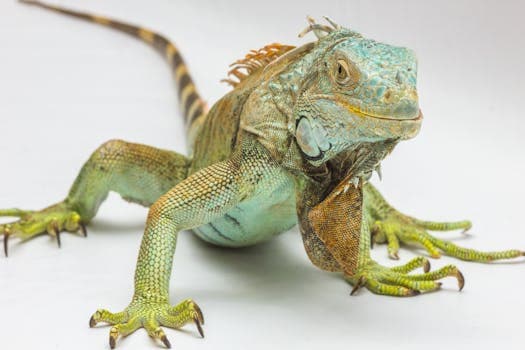
Understanding What Counts as an Exotic Pet
Exotic pets cover a broad spectrum. You might think of the small, unusual companions that aren’t your typical dogs and cats, but the category includes small mammals, reptiles, birds, and even certain invertebrates. The common thread is that these animals require specialized care, housing, and enrichment that goes beyond what many first-time owners expect. If you’re considering an exotic companion, it’s essential to understand not just the animal’s appearance or novelty, but the day-to-day realities of lifelong care, environmental needs, and welfare considerations.
Before bringing any nontraditional pet home, take stock of your environment, budget, and time. Exotic companions often need more dedicated daily routines, more frequent veterinary care, and more careful housing than their mainstream counterparts. This isn’t about proving you can handle a quirky choice; it’s about ensuring a safe, healthy, and fulfilling life for the animal you choose. A thoughtful planning phase reduces stress for both you and the pet and improves long-term outcomes.

Why Proper Research Is Nonnegotiable
Choosing an exotic pet is a long-term commitment. Some species can live for a decade or more, while others have shorter lifespans but intense care needs. Doing your homework helps you avoid impulse purchases that can lead to unnecessary stress for both you and the animal. Long before adoption, gather information on housing, climate, diet, enrichment, social needs, health concerns, and ethical sourcing.
Research should go beyond temperament. Look into dietary requirements, enclosure size, climate needs, enrichment opportunities, social behavior, and potential health issues. Speaking with a veterinarian who specializes in exotic species is a smart move. A quick consult can reveal hidden costs and practical challenges you might not anticipate. Consider also talking with experienced hobbyists or rescue organizations to understand real-world responsibilities and best practices.
Assessing Your Living Situation
Your home is the first line of defense in keeping an exotic pet safe and happy. Consider room layout, temperature control, humidity, and access to outdoor space if relevant. Some species require secure, escape-proof enclosures and quiet, low-stress environments. Assess electrical safety, toxic plants, and potential hazards that could threaten a sensitive species or a stressed animal during travel or relocation.
Noise, smells, and neighboring pets can all impact an exotic animal’s well-being. If you live in a densely populated area or have roommates who aren’t used to nocturnal activity, think through adjustments you can make. Veterinary visits, food shopping, and enrichment activities all hinge on a stable, predictable schedule. A realistic plan for daily routines, weekend monitoring, and seasonal changes helps keep stress low and welfare high.
Financial Planning for Exotic Pets
Initial costs can be just the tip of the iceberg. Enclosures, heating or cooling systems, lighting, substrate, and regular veterinary care add up quickly. Some species require ongoing specialty foods or live prey, which adds to the monthly expense. Budget for routine medications, emergency care, and potential insurance to soften big medical bills. It’s prudent to build a contingency fund for veterinary emergencies, equipment failures, or environmental upgrades as the animal grows or ages.
Consider how much time you’ll invest in maintenance. A well-kept habitat might mean daily cleaning, weekly deep cleanings, and periodic equipment replacements. If you’re not prepared to commit financially and logistically, an exotic pet might not be the right fit. Track hidden costs such as electricity for climate control, specialized lighting, and replacement parts for equipment over the pet’s lifetime.
Housing and Enclosures That Promote Wellbeing
Enclosures should mimic the animal’s natural habitat as closely as possible. For many small mammals, this means secure, escape-proof cages with sturdy latches and deep bedding for digging. Learning about ferrets as pets helps with understanding species-specific housing nuances, enrichment, and social needs. For reptiles, temperature gradients, UV lighting, and humidity control are critical. Birds need spacious flight areas and enrichment that encourages natural behaviors. Never underestimate the importance of proper ventilation and easy access for daily care. When possible, design a habitat layout that allows for gradual cleaning, safe handling, and easy monitoring of waste, humidity, and temperature.
Invest in enrichment that engages curiosity and reduces stress. Rotate toys, provide hiding places, and offer foraging opportunities. A bored, stressed exotic pet can develop behavioral issues or health problems that are avoidable with regular stimulation. Consider potential combinations of housing that allow safe supervised supervision, seasonal adjustments, and space that scales with growth or behavioral changes.
Diet: The Cornerstone of Health
Dietary requirements vary wildly across exotic species. Some thrive on specialized commercial diets, while others need carefully balanced fresh foods. Inadequate nutrition is a leading cause of illness and poor quality of life in exotic pets. Always verify dietary guidelines with a clinician who has experience with the species you’re considering. Keep in mind that dietary needs can change with life stage, reproduction, and activity level.
Hydration is equally important. Some animals drink little, so you may need to monitor water intake closely. Avoid overfeeding or giving foods that are unsafe for your pet. A well-planned diet supports energy, immune function, and longevity. Develop a feeding schedule that aligns with the animal’s natural rhythms and health monitoring routines, and be ready to adjust as you observe changes in appetite or digestion.
Social Needs and Housing Companions
Not all exotic pets are solitary by nature. Some thrive with companions, while others can become stressed if housed with others. Social requirements can also change with age or breeding status. If you’re considering fostering or adding a second animal, plan for gradual introductions and a contingency for separation if stress signs appear. For species with complex social dynamics, consider environmental enrichment that supports positive social interactions rather than competition for resources.
When it comes to social dynamics, always supervise interactions with children and other pets. A small mishap can cause injury or stress to a delicate exotic animal. Clear boundaries and gentle handling practices go a long way toward long-term harmony at home. A thoughtful rotation of interaction times and spaces can reduce conflicts and provide consistent, low-stress experiences for all animals in the household.
Healthcare: Finding the Right Veterinarian
Exotic animals require clinicians who understand species-specific anatomy, physiology, and disease profiles. Not every veterinarian treats exotics, and some may focus on certain groups like reptiles or small mammals. Before you adopt, locate a nearby exotic animal veterinarian and confirm they accept new patients. If you plan to move or travel, discuss continuity of care and referral options with your vet so you’re never without expert guidance during emergencies or seasonal health checks.
Regular wellness checks are essential. Vaccination schedules, parasite prevention, dental care, and preventive nutrition plans should be part of your routine. If you ever notice changes in appetite, behavior, or droppings, seek care promptly. Early intervention can prevent serious health problems. Keep a log of medical visits, medications, and notable health observations to share with any new care providers.

Legalities, Ethics, and Sourcing
Exotic pet ownership is regulated in many places. Some species require permits, and some are restricted or banned. Always verify local, state, and national laws before acquiring an animal. Responsible sourcing matters too. Avoid animals bred in questionable conditions and look for reputable breeders or rescue organizations that prioritize welfare and proper care standards. Ethical sourcing also includes considering the environmental impact of the animal’s origin and transport, as well as the potential for rescue or rehoming if circumstances change.
Ethical considerations extend to environmental impact and the animal’s role in captivity. A pet is a long-term commitment, not a decorative choice. If your lifestyle or home cannot sustainably support the animal, it’s better to reconsider. This section also includes a practical plan for rehoming, should future circumstances require it, to minimize stress for the animal.
Handling, Training, and Enrichment
Gentle handling builds trust and reduces stress. Learn the appropriate technique for your species, including how to support the body, where to stroke, and how to recognize signs of fear or pain. Enrichment should be crafted to match natural behaviors such as foraging, climbing, or burrowing. Training is less about obedience and more about safety and cooperative care, including responding to routine handling or medical checks calmly. Start with short, positive sessions and gradually increase duration as trust builds.
Training isn’t about obedience in the traditional sense. It’s about teaching safe handling, routine behaviors, and how to engage with daily care tasks. Consistency and positive reinforcement help you foster a cooperative relationship with your exotic pet. Document training progress, watch for signs of stress, and tailor approaches to the individual animal’s personality and needs.
What to Do Before You Bring an Exotic Pet Home
New owners should create a practical, step-by-step plan. Start with a clean, ready habitat, a vetted diet plan, and a first-aid kit tailored to the species. Establish a vet and a daily care routine before the animal arrives to minimize stress during transitions. A pre-adoption checklist can help you confirm you have all critical components in place, from climate control to bedding and enrichment items.
Build a support network. Connect with local clubs, rescue groups, and online communities that focus on your chosen species. They can offer advice, experiences, and pointers that you won’t find in a general guide. Engaging with a community gives you realistic expectations and access to practical troubleshooting tips that professionals may not always cover in general resources.
Common Myths and Realities About Exotic Pets
Common myths about exotic pets often center on ease of care. The truth is that exotic species can be incredibly rewarding, but they demand dedicated time, space, and expertise. Expect mistakes—learning from them is part of responsible ownership. Myth-busting helps you approach ownership with humility and a genuine commitment to welfare.
Another misconception is that exotic pets are low-maintenance. In reality, many require daily attention, specialized diets, precise environmental conditions, and ongoing veterinary care. If you’re not prepared for that, a more traditional pet may be a better fit. Acknowledge the realities of ongoing costs, time, and emotional energy required to meet the species-specific demands you’ll encounter.
Real-Life Scenarios: What Works and What Doesn’t
Successful exotic pet ownership hinges on planning and ongoing learning. A well-designed enclosure, a balanced diet, and routine veterinary care create a strong foundation. Conversely, cutting corners on housing or neglecting enrichment often leads to stress, behavioral issues, and health problems.
Consider a hypothetical situation where a new owner purchases a small mammal without researching housing needs. If the enclosure is too small, lacks a proper temperature gradient, or doesn’t provide appropriate bedding, the animal may suffer from boredom, respiratory issues, or digestive problems. This underscores why upfront research pays off in the long run. Real-world planning should include contingency plans for travel, vet access, and seasonal changes that affect the animal’s care requirements.
Realistic Expectations: Time and Commitment
Exotic pets vary in their daily care demands. Some may require morning and evening routines, while others need continuous environmental monitoring. Set realistic expectations about time and energy you can dedicate. If your schedule shifts seasonally or you travel frequently, consider how you will arrange care in your absence. Build a network of trusted sitters, vet contact, and local rescue supports to maintain continuity of care during disruptions.
Putting It All Together: Your Personalized Readiness Check
Before you commit, run through a readiness checklist. Do you have space that can be dedicated to a secure enclosure? Have you consulted a veterinary professional who understands exotic species? Is your budget prepared for ongoing care, food, and possible emergencies? If you can answer yes to these questions, you’re on a solid path to responsible ownership.
Remember that owning an exotic pet is as much about ongoing learning as it is about passion. You’ll continuously adapt as you observe your animal’s responses to different environments, diets, and enrichment activities. That adaptability can become one of the most rewarding parts of the journey. Build in time for regular reassessment of housing, diet, enrichment, and welfare indicators as your animal grows and ages.
Conclusion: Making a Thoughtful Choice
Choosing an exotic pet is a journey of discovery and responsibility. With careful planning, professional guidance, and a readiness to adapt, you can build a thriving relationship with an animal that brings unique joy to your life while also honoring its welfare.
If you’re evaluating whether an exotic companion is the right fit for you, start by clarifying your goals, lifestyle, and capabilities. The more you know, the more confident you’ll feel about making a choice that lasts for years to come. Remember that the decision should prioritize the animal’s welfare, your ability to provide appropriate housing and care, and a realistic plan for long-term life changes.