Home
Home
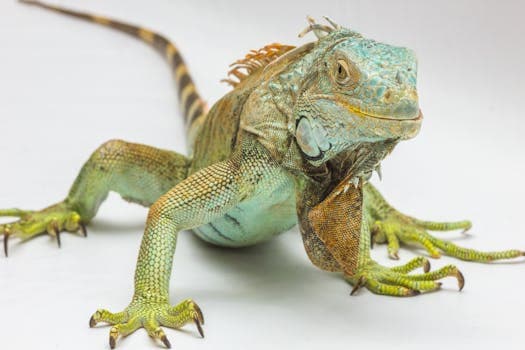
Bringing an exotic animal into your home isn’t a weekend impulse. It’s a long‑term commitment that starts with honest self‑assessment, thorough research, and a plan for ongoing care. The right choice balances your lifestyle, finances, and the animal’s welfare, now and into the future.
Before you start shopping cages or thinking about species, take a close look at your daily routines, living space, and long‑term plans. Some exotic species thrive in calm homes with predictable schedules; others require constant enrichment, specialized diets, and regular veterinary attention. The biggest dividends come from choosing a companion whose needs you can meet consistently over many years.
Ethical Foundations of Exotic Pet Ownership
Ethics aren’t a checklist item you complete once and forget. They’re a daily practice that starts with evaluating the source of your animal and the time you’re ready to invest. Wild capture, import pressures, and disruptions to natural habitats all matter when you weigh the moral implications of ownership.

Ask yourself whether the animal’s welfare can be prioritized in your home. Will you provide daily mental and physical stimulation, safe handling, and a suitable environment? Responsible care isn’t a trend; it’s a lifelong obligation that affects the animal’s health, behavior, and quality of life.
Part of ethical ownership is transparency with family members and housemates. Exotic pets can behave unpredictably, and not everyone in the home may be comfortable or safe around them. Clear boundaries, consistent routines, and shared education help prevent accidents and stress for both people and animals.
Legal and Licensing Realities You Must Understand
Legal requirements for keeping exotic pets vary dramatically by country, state, province, and even municipality. Some species are outright prohibited, while others require permits, inspections, or specific enclosures. Failing to meet legal obligations can put your pet at risk and create consequences for you as the owner.
Start by researching local laws and ordinances that govern import, possession, and sale of exotic animals. If you’re unsure, reach out to a licensed veterinarian or an animal control agency that specializes in exotic species. They can help you navigate permits, zoning restrictions, and humane welfare standards.
As you explore the legal landscape, consider how public spaces, airlines, and housing policies could affect your plans. Some landlords restrict certain exotic animals, and airlines often impose strict rules on transporting nontraditional pets. Planning ahead reduces surprises later on.
Understanding an Exotic Pet’s Needs: A Practical Lens
Exotic pets aren’t a monolith. Each species has a unique biology, social structure, and daily routine. A thoughtful owner builds a care plan around the animal’s natural behaviors, not around what’s convenient for humans.
Start with a baseline understanding of life stages, dietary requirements, housing needs, and enrichment. Some animals require specialized heat, humidity, lighting, or substrate. Others rely on social interactions and predictable playtimes to stay engaged and calm.
In practice, this means creating a care calendar that covers meals, medical checkups, daily enrichment, and seasonal adjustments. A predictable routine reduces stress for the animal and makes it easier for you to spot subtle health changes early.
Space, Enclosure, and Habitat Planning
Housing is the backbone of animal welfare. The enclosure should mimic the species’ natural environment as closely as possible while ensuring safety for humans and other pets. Size, structure, ventilation, and escape prevention all matter.
Consider vertical space, climbing opportunities, hiding spots, and appropriate substrates. Some species need deep enclosures with climbing branches, others need warm, humid corners or dry, sunlit perches. Plan for cleaning access, routine disinfection, and ease of inspection so you can monitor health without stressing the animal.
Temperature and humidity aren’t cosmetic details. They influence digestion, respiration, coat condition, and behavior. Use reliable gauges and alarms to maintain stable conditions, and have backups in case of power outages or equipment failure.
- Choose enclosure materials that are durable and easy to sanitize.
- Provide enrichment elements that align with the animal’s natural behaviors.
- Ensure safe, age‑appropriate supervision during handling and play.
When you’re unsure about a specific enclosure, consult a veterinarian or a reputable exotic pet specialist. They can help tailor a habitat plan that supports the animal’s welfare while fitting your home’s dimensions and budget.
Diet, Nutrition, and Veterinary Care
Nutrition is a pillar of health for exotic pets. A diet that seems similar to a familiar pet’s meals can be dangerous if it’s not species‑appropriate. Some animals require fresh, varied diets with exact vitamin and mineral balances, while others rely on finely tuned fiber content or specialized prey items.
Establish a long‑term feeding plan in partnership with an exotic animal veterinarian. They can help you design menus, identify high‑quality sources, and adjust the diet across life stages. Regular weight checks and dental assessments are essential components of preventive care.
Veterinary access for exotic pets often requires finding a clinic with trained personnel and equipment for species‑specific needs. Routine exams, parasite screenings, and vaccinations (where applicable) should be scheduled on a timetable that reflects the animal’s physiology and risk factors. If you ever notice a change in appetite, activity, or coat condition, don’t delay a professional consultation.
Fire up a care plan that includes emergency contacts, a first‑aid kit tailored to your species, and a transportation kit for veterinary visits. Having these resources ready reduces stress during health events and improves outcomes for your pet.
Social Needs, Behavior, and Enrichment
Many exotic species are highly intelligent and sociable, while others are inherently solitary or territorial. Understanding these social dynamics helps you decide whether a species fits your household and whether you can meet its mental needs.
Enrichment isn’t a luxury; it’s a daily necessity. For species that explore, forage, and manipulate objects, enrichment can prevent boredom‑driven behaviors that result in stress or injury. Rotate toys, create foraging tasks, and vary daily routines to keep your pet curious and engaged.
Handling should be gentle, predictable, and appropriate for the animal’s temperament and size. Build trust gradually through short, positive interactions. If the animal signals stress—freezing, retreating, or vocalizing loudly—step back and adjust the approach to avoid fear and aggression.
Social dynamics extend to your human family. Train all household members on safe handling and boundary rules. Supervise interactions with children and other pets to prevent accidental harm or stress for the exotic animal.

Safety, Risk Factors, and Public Health
Safety starts with the animal’s temperament and potential zoonotic risks. Some exotic species can carry pathogens that affect humans if not handled properly. Regular handwashing, safe enclosure hygiene, and adherence to veterinary guidance are critical for keeping everyone healthy.
Risk doesn’t end with the home. If you ever need to rehome the animal, plan for a safe transition to an appropriate facility or caregiver. Rehoming can be challenging for exotic species, and many organizations are equipped to provide lifelong care rather than quick placements.
Think through the long‑term commitments before you decide to adopt. Some exotics live for decades or longer, well beyond the average human lifetime in a shared household context. If you’re contemplating a move, a family change, or major life shifts, you’ll need contingencies for the animal’s care during those periods.
Public perception also plays a role. Social environments and community guidelines can influence how comfortable people feel around exotic pets. Responsible ownership includes being mindful of neighbors, noise, odors, and potential safety concerns in shared spaces like apartments or condos.
Choosing a Species: A Practical Decision Tree
Choosing the right exotic species starts with honest self‑assessment and information gathering. Use a decision framework that weighs practicality, welfare, and legality against your goals for companionship, education, or novelty. The right fit is often a species that naturally aligns with your daily rhythm and living space.
Begin with a set of non‑negotiables: enclosure size, household members, budget, and local regulations. Then add a list of nice‑to‑haves: display value, educational potential, or opportunities for enrichment. Finally, assess red flags such as high maintenance costs, specialized diets, or intense handling requirements that could strain your capacity over time.
In the process, consult credible sources, speak with experienced keepers, and tour reputable facilities. Realistic expectations save both you and the animal from heartbreak or unnecessary risk. A clear plan makes the journey enjoyable and sustainable rather than stressful and impulsive.
As part of your due diligence, you might browse practical resources like where to pet a capybara to understand public interaction realities and safety considerations in real‑world settings. This can illuminate how people interact with large, sociable species and what your environment would need to do to keep such interactions safe. Similarly, guides about how a particular species behaves in a home can frame your expectations and planning.
Species Spotlight: Reptiles, Birds, Mammals, and Invertebrates
Reptiles require precise temperature gradients, UV lighting, and careful humidity management. They often have specific feeding schedules and frequent health checks to prevent metabolic and dietary issues. If you’re drawn to reptiles, you’ll want to simulate a natural microclimate and provide a reliable source of clean water and varied prey where appropriate.
Birds can be highly intelligent and social, but many species are noisy, destructive, or prone to stress when housed indoors without sufficient stimulation. Caging, perch variety, foraging opportunities, and daily human interaction are essential for their well‑being. Some birds require professional training and behavior modification to prevent biting or feather plucking, so be prepared for ongoing behavioral work.
Mammals offer a broad spectrum of personalities and care needs. Small mammals like guinea pigs or hamsters differ dramatically from larger cousins that may require complex housing and more robust veterinary care. Always tailor your enclosure, enrichment, and diet to the animal’s size, energy level, and social preferences.
Invertebrates, while often overlooked, have unique welfare considerations. Some species thrive in controlled environments with stable temperatures and humidity, while others require precisely tuned substrates and micro‑environments. Even when a pet is small, it deserves careful planning and monitoring to ensure humane treatment and long‑term health.
Across these categories, one theme remains constant: a home that respects the animal’s natural biology will be easier to manage and more enjoyable for everyone involved. Your success rests on ongoing education, realistic expectations, and a willingness to adapt as you learn what works best in your particular situation.
Financial planning and Long‑Term Commitments
Exotic pets come with ongoing costs that extend far beyond initial purchase or adoption. Housing, heating, lighting, and climate control are continuous expenses. Diet, enrichment materials, veterinary care, and routine inspections also add up over time.
Consider the lifetime cost of care. Some species live many years or even decades, which means you’ll be responsible for medical expenses, enclosure upgrades, and potential relocation if your circumstances change. Building a budget that accounts for emergencies, routine care, and long‑term enrichment will protect both you and your pet from financial stress.
It’s wise to create a sinking fund for unexpected veterinary needs. Exotic pets may require specialist care, which can be more costly than standard companion animal care. Planning ahead helps ensure that urgent health issues don’t force you into difficult decisions about the animal’s future.
Making the Decision: Before You Bring an Exotic Pet Home
The decision to welcome an exotic animal should come after careful consideration, consultation, and deliberate planning. It isn’t a test of novelty but a commitment to welfare, science, and responsible stewardship. If you’re uncertain, postpone the decision until you’ve built a solid support system—vet contacts, reputable breeders or rescues, and community networks that can offer guidance when challenges arise.
Ask yourself practical questions: Can you meet the animal’s daily care needs, including night‑time routines and weekend schedules? Will you have access to funds for emergencies? Do you have a long‑term housing plan that won’t disrupt the animal’s environment due to travel or relocation? If the answer to any of these questions is uncertain, take more time to prepare or consider a different species with fewer constraints.
Responsible ownership also means having an exit plan. If circumstances change, you should be ready to rehome the animal compassionately through a licensed rescue or specialist facility that can provide appropriate care. This is not surrendering; it’s ensuring the animal’s welfare remains your top priority even when circumstances shift.
Conclusion: A Thoughtful Path to Exotics
Choosing any exotic pet should be a decision grounded in welfare, legality, and practical capability. When you commit to learning, planning, and adapting, you create an living environment where the animal can thrive and you can enjoy a meaningful relationship. The path isn’t simple, but it is profoundly rewarding for those who invest the time and energy it requires.
If you’re curious about how other exotic pet owners navigate real‑world scenarios, you can review practical examples and experiences, such as a discussion about daily routines and habitat needs in credible sources that discuss daily life with diverse species. These insights can help you tailor a plan that fits your home and lifestyle while prioritizing the animal’s welfare.
Remember, responsible ownership is a journey, not a destination. It’s a continuous practice of learning, adjusting, and renewing your commitment to the animal in your care.