Home
Home
Introduction and the Core Question
You want to provide the best care for an African Grey parrot and its needs. This guide offers clear steps, practical tips, and real world examples to help you create a thriving environment. By understanding how these intelligent birds think and what they require daily you can build a strong bond while ensuring health and happiness.
African Grey parrots are intelligent highly social birds that require mental stimulation proper nutrition and safe living spaces. They are sensitive to stress and environmental changes which means planning and consistent routines matter. This article explains the needs of African Grey parrots in a practical way so you can act now with confidence.

What is an African Grey Parrot and why are their needs specific
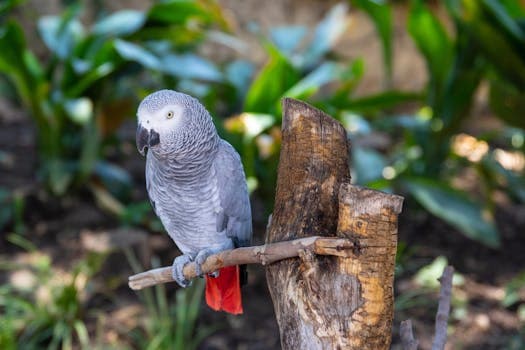
An African Grey parrot is a medium sized psittacine bird known for exceptional problem solving memory and communication abilities. They are native to forest habitats in West and Central Africa where they encounter a varied diet and ample foraging opportunities. In captivity these birds require mental enrichment regular social interaction and carefully balanced nutrition. The right environment helps prevent behavioral issues and supports longevity.
Key needs overview for African Grey parrots
To meet the needs of these birds you must address four core areas: environment enrichment nutrition healthcare and training. Each area has practical steps you can implement immediately. A strong foundation in these areas reduces stress supports wellbeing and strengthens your relationship with your bird.
Environment and housing how to create a safe stimulating space
Choosing the right cage and location
Start with a spacious cage that offers ample room to flap wings and climb. The bar spacing should be wide enough to prevent escape yet narrow enough to avoid entanglement. Place the cage in a well lit area with indirect sunlight and away from direct drafts. Position the perch height so your bird can observe family activity without feeling overwhelmed.
Enrichment and foraging setup
Enrichment is essential for mental health. Use a mix of foraging toys food puzzles and diverse perches. Rotate toys weekly to maintain interest. Natural wood perches with varying textures help exercise feet and reduce regressive behaviors. Include always accessible fresh water and a dedicated feeder for daily meals.
Safety and room design
Remove toxic foods and houseplants from reach. Secure electrical cords and avoid small objects that could be swallowed. Ensure quiet time and a secure bedroom at night to promote deep sleep. A calm environment supports temperament and reduces nocturnal stress.
Nutrition and feeding strategies for optimal health
Balanced diet components
African Grey parrots require a balanced diet that emphasizes high quality pellets as a staple along with fresh fruits vegetables and occasional healthy seeds. Pellets provide essential vitamins minerals and balanced calories. Fresh produce should include leafy greens berries apples carrots and broccoli. Limit high fat seeds and avoid avocado chocolate caffeine alcohol and salty foods.
Feeding schedule and portions
Offer two to three meals per day with fresh food available for a few hours. Use a measured portion system to avoid overeating and weight gain. Monitor daily intake and body condition to adjust portions. A consistent schedule supports digestion and reduces stress during feeding times.
Hydration and supplements
Always provide clean fresh water. Some owners supplement with calcium and vitamin D when advised by a veterinarian. Do not over supplement and avoid unverified online remedies. Regular veterinary checks help tailor supplementation to the birds needs based on age weight and health status.
Healthcare and preventive medicine
Regular veterinary care
Schedule annual wellness exams with an avian veterinarian. Vaccinations are not common in all regions for African Grey parrots, so discuss parasite control dental care and egg laying management with the professional. Early detection of symptoms such as changes in droppings appetite or feather quality can prevent serious illness.
Common health concerns to watch for
Be alert to feather plucking, changes in droppings, nasal discharge, sneezing or wheezing, swelling around the beak, and behavioral shifts. Weight changes can be subtle but meaningful. Maintain a log of daily observations to share with a veterinarian during visits.
Grooming and hygiene
Regular beak and nail checks reduce injury risk. Provide safe bathtime options like shallow water dishes or gentle misting to support feather condition and skin health. Clean cages and toys regularly to minimize bacterial buildup and mold growth.
Training and social interaction techniques that build trust
Communication basics for intelligent birds
African Grey parrots thrive when they are engaged verbally and mentally. Use a consistent vocabulary and short commands. Positive reinforcement through treats and praise strengthens desired behaviors. Avoid harsh words and maintain a patient calm demeanor during training sessions.

Step by step training plan
- Establish a daily routine with fixed wake up and feeding times to create predictability.
- Introduce a simple command such as step up using a perch and reward immediately.
- Incorporate foraging games to stimulate problem solving and reduce boredom.
- Gradually introduce new toys and rotate them to maintain novelty.
- Practice recall in a safe room and gradually increase the distance with a tethered training approach if needed.
Managing fears and aggressive behavior
Remain calm and don t punish fear responses. Use gradual desensitization exposure paired with rewards and create safe spaces the bird can retreat to. If aggression emerges during certain scenarios consult a professional avian trainer for tailored guidance.
Social needs and enrichment beyond basic care
Interaction time and quality
Daily interactive sessions are critical. Plan shared activities such as gentle training reading aloud or interactive games. Social needs extend to the whole flock including household members and other pets, but supervised interactions are essential to ensure safety for all.
Play and mental stimulation ideas
Provide puzzle feeders, hiding places, and varied toys. Use scent exploration with bird safe herbs and baked treats to engage different senses. Rotate enrichment objects to prevent habituation and maintain curiosity.
Travel and acclimation when on the move
Preparing for trips and boarding
Plan ahead with a travel cage that fits securely and provides comfortable space. Bring familiar toys and a sample of their regular food. When boarding choose an avian experienced facility and request an acclimation period before the stay to minimize stress.
Homecoming habits after travel
Upon return, reestablish routines gradually and observe for stress indicators. Resume training and feeding schedules to restore confidence and calm behavior after the journey.
Comparisons and practical decision making
Diet options compared
Pellets plus fresh produce offers a balanced long term diet versus seed heavy regimes that may contribute to obesity and nutritional gaps. Foraging enrichment should be part of daily routine regardless of diet plan to support cognitive engagement.
Indoor space versus aviary style living
A cage centered living space provides control and safety while an aviary setup can offer more space for climbing and social interaction. The best choice depends on available space budget and your ability to supervise. A hybrid approach can also work well in many homes.
Common misconceptions clarified
Do African Grey parrots really outgrow their needs
They do not outgrow their needs. As birds age they require sustained mental stimulation consistent social contact and regular veterinary care. Tailoring enrichment and conversation to life stage helps maintain wellbeing.
Can I keep a parrot alone without human interaction
Human interaction is essential for African Grey parrots. While they can enjoy companionship with other birds, daily engagement with humans reduces stress and prevents loneliness. If left alone for long periods ensure rich enrichment and safe environmental design to support the bird.
Step by step quick start checklist
- Set up a spacious cage in a well lit room away from drafts
- Provide fresh water daily and a balanced diet with pellets and produce
- Offer daily mental enrichment with toys foraging and training sessions
- Schedule annual avian veterinary care and track health indicators
- Maintain a consistent routine with predictable wake and bed times
- Document observed behaviors to guide adjustment and training
Conclusion and actionable takeaways
Caring for an African Grey parrot blends science with daily practice. Prioritize a safe space robust enrichment balanced nutrition and ongoing veterinary care. Build a communication oriented routine that respects the birds intelligence and emotional needs. Your commitment today translates into a confident companion tomorrow.
Ready to begin Use the steps above to create a practical plan write down your routines and track progress. If you value clarity and consistency you are on the right path to a thriving African Grey parrot and a rewarding pet ownership experience.