Home
Home
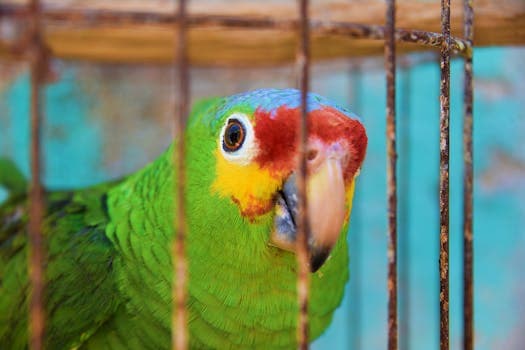
Exotic pets capture our imagination with their quirks, colors, and surprising personalities. They can bring joyful companionship when cared for thoughtfully, but they also demand a level of commitment that goes well beyond what many traditional pets require. This guide is a practical, no-fluff look at the essential care habits, safety considerations, and welfare needs that help exotic pets thrive in home environments. If you’re contemplating a nontraditional companion, you’ll find clear, actionable advice to start on the right foot.
Responsible exotic pet ownership starts with honest self-assessment. Think about your daily routine, budget for veterinary care, climate compatibility, and the long lifespan of many species. Some exotics live for decades and require ongoing enrichment, social interaction, and specialized housing. By planning ahead, you reduce stress for the animal and prevent avoidable health problems that come from mismatched expectations.
Choosing Exotic Pets Responsibly
The first step is choosing a species that fits your lifestyle, local laws, and the work you’re willing to put in. Some animals are highly social and require constant interaction, while others do best with limited handling and lots of environmental enrichment. Before making a decision, research temperament, activity patterns, dietary needs, and space requirements. A thoughtful choice reduces the chance of impulse purchases that end in regret for both you and the animal.

Be aware that many exotic species have complex housing needs and specialized diets. Meeting those needs isn’t optional—it directly affects health, behavior, and quality of life. If you’re unsure about a particular animal’s suitability, reach out to local exotics veterinarians or established care groups for guidance. Their experience can save you from costly mistakes and heartache later on.
Housing and Enclosures
Proper housing is the foundation of daily care for most exotic pets. You’ll want a space that matches the animal’s natural behavior, temperature needs, humidity range, and safety requirements. Create an area that offers room to move, climb, hide, and explore, while keeping hazards like toxic plants and small objects out of reach. A well-designed enclosure reduces stress and supports healthier interactions with your home environment.
Enclosures should be easy to clean and free from injury risks. Use sturdy substrates, non-toxic materials, and secure latching mechanisms if the animal is a climber or jumper. Regularly inspect perches, ramps, and enrichment devices for wear, and replace anything that shows signs of damage. For many species, a mix of vertical space, hiding spots, and foraging opportunities mirrors their natural world and lowers stress levels.
Temperature and humidity play into enclosure design as well. Some species thrive in warm, humid microclimates, while others tolerate drier, cooler conditions. Use thermometers and hygrometers to monitor conditions and adjust with heating pads, lamps, or humidifiers as needed. Consistent environmental control is linked to better appetite, digestion, and activity levels.
Diet and Nutrition Essentials
Diet is one of the most crucial factors in exotic pet care. Many species require specialized diets that mimic what they would eat in the wild, including a mix of appropriate forages, high-quality protein, and specific minerals. Inadequate nutrition can cause a cascade of problems, from dental disease to organ stress. Always consult species-specific feeding guidelines and work with a veterinarian to tailor a plan for your animal.
Fresh water should be available at all times, and some species benefit from added supplements or fortified foods. Do not assume a diet that works for one animal will suit another, even within the same family. Observe appetite, stool quality, and energy levels, and adjust portions gradually. If you notice changes in weight, digestive upset, or lethargy, seek veterinary advice promptly.
For many exotics, enrichment comes through foraging and problem-solving. Incorporate food puzzles, seasonal changes in menu, and varied textures to keep meals interesting. This helps prevent boredom-related behaviors and encourages natural foraging behaviors that can keep a pet mentally engaged for years.
Healthcare and Preventive Care
Exotic pets benefit from proactive veterinary care that’s tailored to their unique needs. Find a veterinarian with training and experience in exotics and establish a relationship early. Regular wellness checks, parasite screening, and age-appropriate vaccinations (where applicable) are cornerstone practices for preventing disease and extending lifespan.
Develop a preventive care plan with your vet. This should include dental exams, dental care supplies suitable for your species, and guidance on safe medications in case of minor illnesses. Do not attempt medicating at home without veterinary direction. Some substances safe for common pets can be dangerous or fatal for exotics.
In emergencies, knowing where to seek urgent care matters. Build a list of emergency contacts, including near-by exotic animal clinics and 24/7 hotlines if available in your area. Having these resources lined up minimizes delays during critical moments and improves outcomes for sudden illnesses or injuries.
Handling, Socialization, and Enrichment
Gentle handling establishes trust and reduces fear, but it should always respect the animal’s comfort level. Observe body language for signs of stress, and never force interaction with a pet that’s actively avoiding contact. Short, calm sessions are generally more effective than prolonged handling that could lead to anxiety or aggression.
Social needs vary widely. Some exotic pets thrive with companionship, while others do best with minimal social interaction. Understand your species’ natural behavior to design appropriate social structures and enrichment. For many animals, enrichment should simulate natural challenges and opportunities for exploration—think climbing structures, varied textures, and scavenger-style food discovery.
Rotate toys and hide daily enrichment in different areas of the enclosure. This keeps the environment stimulating and helps prevent the development of repetitive or destructive behaviors. Regular, predictable routines also provide a sense of security, which supports overall well-being.
Legal and Ethical Considerations
Legal requirements for keeping exotic pets differ dramatically by country, state, and even municipality. Some animals require permits, specific housing standards, or outright bans. Always verify compliance with local regulations before bringing an exotic pet home. This isn’t about red tape—it’s about safety, welfare, and community harmony.

Ethical considerations extend beyond legality. Consider the species’ welfare, potential impact on ecosystems, and whether you can meet the animal’s long-term needs in your current environment. A well-informed decision honors the animal’s quality of life and avoids contributing to demand that fuels ill-considered breeding or illegal trade.
Species Spotlight: Capybaras and Ferrets
Capybaras are known for their social nature and large size. They demand extensive outdoor space, consistent companionship, and careful attention to humidity and temperature. If you’re curious about experiences with capybaras, capybara pet locations offer real-world context on housing needs and social behavior. capybara pet locations provide a practical snapshot of how enthusiasts navigate these challenges in various settings.
Ferrets are highly energetic and curious, with a penchant for exploring every corner of the home. They require robust enrichment, taming, and safe, supervised handling to prevent injuries. For broader insights into ferret care, see ferret care basics, which covers temperament, housing ideas, and common health considerations.
Safe Transportation and Travel
Travel introduces a new set of stressors for exotic pets. Whether moving between rooms, visiting a veterinarian, or relocating to a new home, plan for safe transportation. Use species-appropriate carriers, secure fastenings, and familiar bedding to reduce anxiety. Abrupt environmental changes can trigger illness in sensitive animals, so gradual acclimation is key.
When traveling long distances, research climate requirements and escape-proof containment. Some animals need environmental controls during transit, while others benefit from minimal handling. Talk with your veterinarian about any travel restrictions, vaccination records, or medication needs to ensure a smooth journey for your companion.
Emergency Preparedness and First Aid
Emergencies can strike suddenly, so be prepared with a basic first aid kit tailored to your species. Include items for wound care, temperature management, and hydration, but never administer drugs without veterinary guidance. A quick, calm response can prevent complications and stabilize your pet until professional help arrives.
Keep a current care plan accessible, including your veterinarian’s contact details, surgical histories, and any chronic conditions. Post-incident debriefs with your vet help refine your approach for future events and reduce stress for both you and your animal.
Sourcing, Quarantine, and Social Responsibility
Where you obtain an exotic pet matters as much as how you care for it. Responsible sourcing means avoiding animals bred under stressful conditions or captured from the wild, and instead choosing reputable breeders or rescue groups that prioritize welfare. Ask about health histories, genetics, and the stability of social groups before finalizing a purchase.
Quarantine is not optional when introducing new animals to an existing household. A careful quarantine period limits disease transmission and helps you observe animals’ personalities and needs before full integration. Create a step-by-step plan with your veterinarian, including gradual exposure, shared spaces, and monitoring protocols.
Building a Long-Term Care Plan
Exotic pet ownership is a long-term commitment that unfolds day by day. Start with a written care plan that covers housing, feeding, medical care, enrichment, and emergency contacts. Revisit and revise this plan as your pet grows, as regulations change, and as your household dynamics shift.
Document milestones like weight changes, behavioral shifts, or dietary adjustments. This record helps you track what works and catch problems early. When you’re aligned with your pet’s needs, both your life and your animal’s life become more harmonious and rewarding.
Practical Tips for Everyday Care
- Establish a predictable daily routine that includes feeding times, cleanup, enrichment, and quiet bonding periods.
- Invest in high-quality, species-appropriate equipment designed to minimize stress and maximize safety.
- Maintain clean water and clean food sources, and rotate diets thoughtfully to prevent nutritional imbalances.
- Schedule regular vet visits with a specialist familiar with exotic species and keep vaccination and parasite prevention up to date where applicable.
- Observe body language carefully and document any changes in appetite, energy, or stool as early warning signs.
Things to Avoid
- Don’t assume all exotic pets can live in plain household conditions without adaptation.
- Avoid keeping multiple species together if their needs and temperaments differ significantly.
- Don’t rely on DIY medical techniques or unverified remedies for serious conditions.
- Steer clear of pet shops or breeders that cannot provide comprehensive health histories or transparent welfare practices.
- Avoid storing hazardous materials or toxic foods in reach of curious animals.
Care for exotic pets blends science, ethics, and daily hands-on attention. By building a solid foundation—focused housing, nutrition, health care, and enrichment—you give your animal the best chance to live a long, engaged, and happy life. The payoff is a deep, mutually rewarding relationship that honors the animal’s complex needs and your own responsibilities as a caretaker.