Home
Home
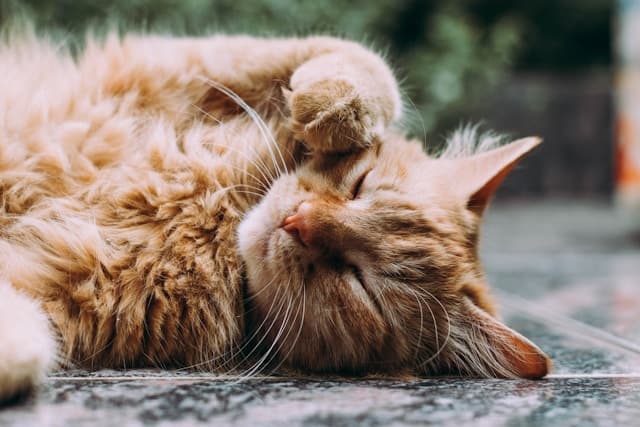
The question “Can cats get colds?” is common among cat owners who notice their feline friends showing signs of respiratory distress.
Indeed, just like humans, cats can suffer from colds, known in the veterinary world as Feline Upper Respiratory Infections (URI).
These colds share similarities with the common colds humans experience and can range from mild to severe, affecting cats of all ages.
How Can Cats Get Colds?
Cats catch colds through viruses or bacteria, and the infection is typically spread through airborne droplets, such as those released during sneezing.
Consequently, cats that spend time outdoors or in close quarters with other cats, such as in shelters or boarding facilities, are at a higher risk of contracting a cold.
Recognizing Symptoms: Does Your Cat Have a Cold?

Identifying a cat cold early can help in managing the symptoms and preventing secondary infections. The initial sign of a cat cold is often sneezing, followed by:
- Runny nose
- Frequent sneezing and coughing
- Congestion and difficulty breathing
- Fever and dehydration
- Loss of appetite
- Watery, red eyes
Differentiating Between Allergies and a Cold in Cats
Understanding whether your cat has colds or if your cat is suffering from allergies is crucial.
Both conditions may present with sneezing and watery eyes, but allergies tend to be a chronic issue, often triggered by specific allergens.
In contrast, colds are acute and can include additional symptoms like fever, which is not typical of allergies.