Home
Home
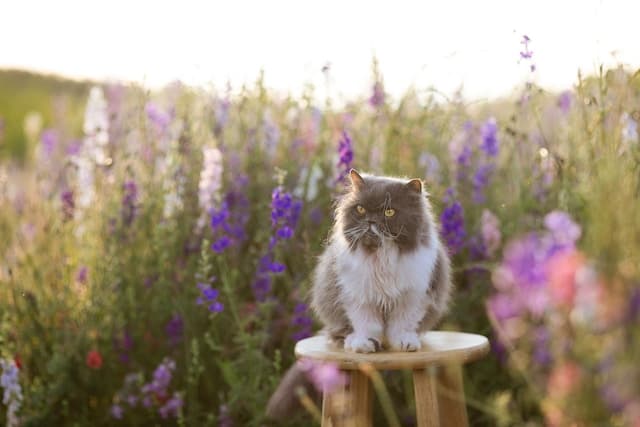
Is Lavender Safe for Cats? No, lavender is not safe for cats as it contains compounds that can be toxic to them, particularly if ingested in large quantities.
Understanding the Risks of Lavender for Cats
Lavender contains linalool and linalyl acetate, compounds that can cause gastrointestinal upset and more severe symptoms in cats.
Even small amounts of lavender oil can lead to toxicity, and ingestion of the plant itself can also be harmful.
Symptoms of Lavender Toxicity in Cats
If a cat ingests lavender or is exposed to lavender oil, you might observe the following symptoms:
- Vomiting: One of the most common signs of ingestion.
- Diarrhea: Accompanied by abdominal pain.
- Loss of Appetite: Your cat may refuse to eat.
- Lethargy: General weakness and lack of energy.
- Nausea: Signs of discomfort and drooling.
Are All Parts of Lavender Harmful?
Yes, all parts of the lavender plant, including the flowers, leaves, and stems, can be harmful to cats if ingested.
The essential oils are particularly potent and can cause more severe reactions.
Safe Alternatives to Lavender
If you love having plants around your home, consider these cat-friendly alternatives:
- Spider Plant: Non-toxic and easy to care for.
- Bamboo Palm: Safe for cats and adds a tropical touch to your home.
- Boston Fern: Another non-toxic option that is safe for cats.
Do Cats Hate Flowers?
Cats generally do not have strong aversions to flowers, but certain scents, like citrus, can deter them.
Lavender, while not typically repellent to cats, should still be avoided due to its toxicity.
Are All Flowers Toxic to Cats?

Not all flowers are toxic to cats, but many common household plants and flowers can be harmful. It’s essential to know which ones to avoid. Common Toxic Flowers for Cats:
- Lilies: Lilies are extremely toxic and can cause kidney failure.
- Tulips: The bulbs in tulips are particularly dangerous.
- Daffodils: Can cause severe gastrointestinal issues.