Home
Home
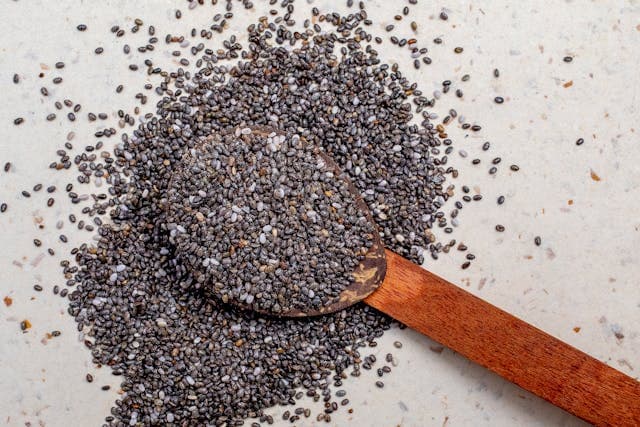
Have you ever wondered if dogs can have chia seeds? Yes, chia seeds are safe and beneficial for dogs when given in appropriate amounts.
Chia seeds are packed with nutrients that can be beneficial for a dog’s health.
Nutritional Profile of Chia Seeds
- Omega-3 Fatty Acids: Chia seeds are a great source of omega-3 fatty acids, which promote a healthy skin and coat.
- Fiber: High in fiber, chia seeds can aid in digestion and promote regular bowel movements.
- Protein: They provide a plant-based protein source which is useful for muscle growth and repair.
- Antioxidants: Chia seeds contain antioxidants that help protect against cell damage.
Potential Risks and Considerations
While chia seeds are generally safe for dogs, there are a few things to keep in mind:
- Allergic Reactions: Rarely, dogs might show allergic reactions to new foods, including chia seeds.
- Caloric Content: Chia seeds are high in calories, so they should be added sparingly, especially for dogs that are overweight or have low activity levels.
Serving Suggestions
Here are some creative ways to include chia seeds in your dog’s diet:
- Mixed in Food: Sprinkle soaked chia seeds over your dog’s regular food.
- Homemade Treats: Add chia seeds to homemade dog treats for an extra health boost.
- In Smoothies: Include chia seeds in a dog-safe smoothie made with ingredients like plain yogurt and blueberries.
Can dogs eat chia seeds regularly?
- Safe for Regular Consumption: Dogs can eat chia seeds on a regular basis but should do so in moderation.
- Nutritional Benefits: Chia seeds are rich in omega-3 fatty acids, fiber, and protein, which can enhance a dog’s skin, coat, and digestive health.
- Moderation is Key: Introduce chia seeds slowly into your dog’s diet to prevent digestive issues and manage calorie intake.
- Preparation Method: Always soak chia seeds in water before serving to avoid expansion in the dog’s stomach, which can cause discomfort or health problems.
- Consult a Veterinarian: Before regularly incorporating chia seeds into your dog’s diet, consult with a veterinarian to tailor the portion size and frequency to your dog’s specific needs.