Home
Home
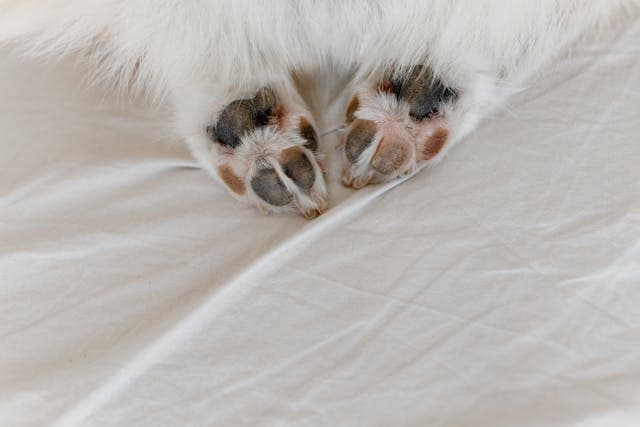
Dogs bite their paws for several reasons, including allergies, parasites, injuries, boredom, and anxiety.
Understanding the cause of this behavior is essential for addressing it effectively.
Common Reasons Dogs Bite Their Paws
- Allergies: Allergies are a frequent cause of paw biting in dogs. These can be due to food, environmental factors, or contact allergies. Common signs of allergies include redness and swelling, excessive licking and biting, hair loss and scabs.
- Parasites: Parasites such as fleas, ticks, and mites can cause intense itching and discomfort. Look for visible parasites, scabs and sores, and restlessness due to discomfort.
- Injuries: Injuries to the paws, such as cuts, punctures, or splinters, can lead to biting as the dog tries to alleviate the pain. Signs of injury include limping, swelling and bleeding, and reluctance to walk.
- Boredom and Anxiety: Dogs may bite their paws out of boredom or anxiety. This behavior can become a compulsive habit if not addressed. Indicators of boredom or anxiety include restlessness, destructive behavior, and excessive licking or biting.
- Dry Skin: Dry skin can cause itching and discomfort, leading dogs to bite their paws. This can be due to cold weather, lack of fatty acids, and frequent baths
Identifying the Cause

To identify the root cause of your dog’s paw biting, carefully observe any behavioral, environmental, or dietary changes.
Once you notice symptoms, seek veterinary consultation promptly.
A veterinarian can conduct allergy tests to pinpoint specific allergens, check for parasites through skin scrapings or blood tests, and examine any injuries for proper treatment.
For more information on identifying the cause visit our comprehensive pet care guide about How to Know If My Dog Has Worms.
Treatment and Prevention
If allergies are the culprit, your veterinarian might suggest dietary adjustments to remove potential triggers, alongside medications like antihistamines or steroids to quell inflammation.
Regular cleaning can help eliminate environmental allergens.
For parasite management, consistent flea and tick treatments are crucial, along with meticulous environmental hygiene and routine inspections.
Injuries should be promptly cleaned, disinfected, and bandaged to prevent further irritation, while monitoring their healing progress.
Combatting boredom and anxiety involves providing mental stimulation, regular exercise, and comfort measures like anxiety wraps.
Additionally, for dry skin, moisturizing shampoos, omega fatty acid supplements, and limiting baths can help maintain skin health.
Learn more about preventative health care for dogs about Why Is My Dog Shaking and How Often Should You Wash Your Dog.
For detailed grooming tips, refer to Dog grooming on Wikipedia.
Conclusion
Understanding why dogs bite their paws is crucial for providing appropriate care and treatment.
By identifying the cause, whether it’s allergies, parasites, injuries, boredom, anxiety, or dry skin, you can take steps to address the issue and ensure your dog remains healthy and comfortable.