 Home
Home
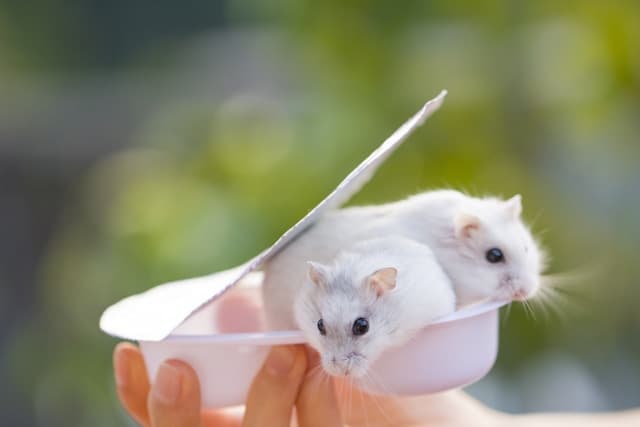
What to Feed a Baby Hamster? Feeding a baby hamster requires careful attention to ensure they receive the right nutrients for healthy growth and development.
Initial Feeding for Baby Hamsters
When baby hamsters are first born, they rely entirely on their mother’s milk for the initial two to three weeks of their lives.
During this critical period, it’s essential to ensure that the mother is healthy and receiving a nutritious, balanced diet, as the quality of her milk directly impacts the growth and development of the babies.
Providing the mother with high-quality food, fresh vegetables, and protein-rich supplements such as boiled eggs or mealworms will help her produce the best possible milk.
Additionally, maintaining a stress-free and clean environment for the mother will support her health and, consequently, the well-being of her newborns.
Learn more about taking care of hamsters and hamster wellness in our related articles.
Transitioning to Solid Food
Introducing Soft Foods
At around two to three weeks old, baby hamsters begin to nibble on solid foods. Start with soft, easily digestible options:
- Boiled egg yolk: Rich in protein and easy to digest.
- Mashed vegetables: Such as carrots and peas.
- Baby cereal: Made with water or hamster-safe milk.
Gradual Introduction of Dry Food
Once the baby hamsters are comfortable with soft foods, you can start introducing dry food gradually.
This transition helps their digestive systems adjust and ensures they get accustomed to their adult diet.
For more tips on feeding adult hamsters a strawberry, check out our comprehensive guides.
Essential Foods for Baby Hamsters
High-Quality Hamster Pellets
Choose pellets specifically designed for hamsters. These pellets are formulated to provide the right balance of nutrients for growing hamsters.
Fresh Vegetables and Fruits
Introduce small amounts of fresh vegetables and fruits. Good options include:
- Carrots: Provide vitamins and are easy to chew.
- Cucumbers: Hydrating and low in calories.
- Apples: Remove seeds as they are toxic to hamsters.
Learn more about can hamster eat apples in our related articles.
Protein-Rich Foods
Ensure your baby hamster gets enough protein, which is vital for growth:
- Boiled chicken: Small, bite-sized pieces.
- Tofu: A good vegetarian protein source.
- Mealworms: Provide protein and are a natural part of a hamster’s diet.
For more detailed information on hamster care, refer to Wikipedia.
Toxic Foods
Certain foods can be harmful or even fatal to hamsters:
- Chocolate: Contains theobromine, which is toxic to hamsters.
- Onions and garlic: Can cause digestive issues.
- Citrus fruits: High acidity can upset their stomach.
Feeding Tips for Baby Hamsters

To ensure your baby hamsters are growing properly, closely monitor their food intake, making sure they consume enough to support their rapid development.
Always provide fresh, clean water, as baby hamsters can dehydrate quickly, so check that their water bottle is functioning correctly.
Regularly check their health and weight, and schedule veterinary visits to catch any potential health issues early.
Conclusion
Feeding a baby hamster requires a balanced diet of soft foods initially, followed by gradual introduction to solid foods.
Providing high-quality hamster pellets, fresh vegetables, and protein-rich foods ensures they receive the necessary nutrients for healthy growth.
Avoid toxic foods and ensure constant access to fresh water.




