Home
Home
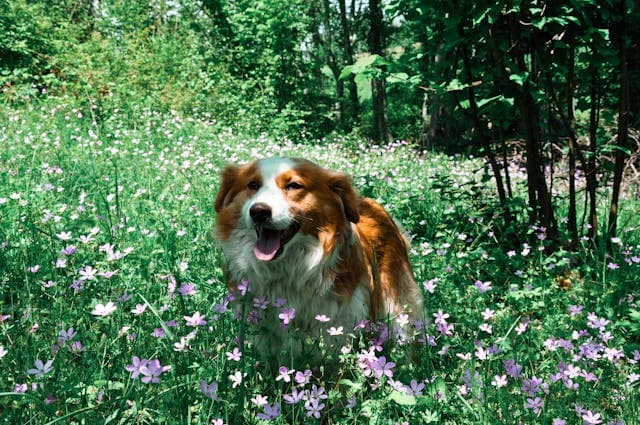
What Does Catnip Do to Dogs? Catnip has a calming effect on dogs, rather than the euphoric reaction seen in cats.
When consumed or smelled, it can act as a mild sedative, helping to ease anxiety or aid digestion.
Understanding how catnip affects dogs can help pet owners use it safely and effectively for their canine companions.
Understanding Catnip and Its Effects on Dogs
Catnip (Nepeta cataria), a herb from the mint family, is widely known for its stimulating effect on cats, but its influence on dogs is quite different.
While catnip doesn’t trigger the same playful or excited behavior in dogs, it is entirely safe for them and can actually be beneficial in certain situations.
Instead of acting as a stimulant, catnip tends to have calming properties when consumed by dogs, making it a natural option for reducing anxiety or stress.
This can be especially useful during stressful events such as vet visits, thunderstorms, or car rides. In some cases, catnip may even serve as a mild sedative, helping to soothe nervous or anxious dogs without the need for prescription medications.
Though the effects are generally mild, catnip can be an effective tool to help keep your dog calm and relaxed in tense situations.
According to AKC, catnip is non-toxic to dogs and may be used to help them relax in certain scenarios.
Read more about catnip and its chemical properties in the Wikipedia article on catnip.
For more on managing stress and anxiety in pets, see our guide to calming remedies for anxious dogs.
Catnip as a Digestive Aid for Dogs
Catnip can also benefit a dog’s digestive system when used correctly. Dr. Hinsperger says dogs may experience the following benefits if they consume catnip in moderation:
- Stress and Anxiety Relief: Catnip can provide a soothing effect for dogs, potentially alleviating stress and anxiety during certain situations. This can be particularly beneficial for dogs with storm phobia, separation anxiety, or other stress-related issues.
- Better Sleep: If your dog struggles with insomnia, giving them catnip before bedtime may help promote relaxation and improve their ability to sleep.
- Flea and Mosquito Prevention: The oils found in catnip might serve as a natural insect repellent, making it a good idea to plant catnip around your home to keep fleas and mosquitoes at bay. Additionally, catnip oil can be used as a topical flea treatment, but it’s advisable to consult your veterinarian before applying it.
Some dog owners choose to give their dogs catnip or catnip oil mixed with their food due to its potential benefits. A small amount can be fine if your dog enjoys it, but it shouldn’t be given daily as a supplement.
“Fortunately, catnip is very safe for dogs,” says Dr. Hinsperger. However, like with any substance, consuming too much can lead to an upset stomach. Leslie Sinn, DVM, DACVB, from Behavior Solutions, advises that while it’s important to monitor your dog when they consume the live plant, dogs would need to ingest a significant amount for it to cause any adverse effects.
Dr. Karen Becker, a holistic veterinarian, suggests that “Catnip can be a gentle herb for calming or helping with digestive upsets in dogs, but always consult with a vet before use.”
PetMD notes that while catnip is primarily associated with cats, it can provide mild digestive relief for dogs when used sparingly.
Is Catnip Safe for Dogs?
When incorporating any new herb or supplement into your dog’s regimen, safety should be the foremost concern.
Catnip is considered safe for dogs, whether they are smelling or consuming it in small amounts, as it contains no toxic substances that could pose a threat to their health.
However, it’s important to use catnip in moderation, as excessive intake may result in mild digestive issues.
Always observe your dog for any unusual reactions after introducing catnip to ensure they are responding well.
For more information on what herbs are safe for dogs, read our list of dog-safe herbs.
According to Dr. Carol Osborne, a veterinarian with expertise in holistic care, emphasizes that “Catnip is safe for dogs when given in small amounts, but as with any herb, it’s best to consult with a veterinarian before using it frequently.” VCA Animal Hospitals advises that while catnip is non-toxic for dogs, it’s important to monitor their reactions and consult a veterinarian before regular use.
Catnip and Playtime: Adding Variety for Dogs

Catnip can be incorporated into dogs’ playtime to enhance their enrichment activities, even though it doesn’t evoke the same playful response as it does in cats.
Sprinkling a bit of catnip on a dog’s bedding or toys introduces a new scent that provides mental stimulation, which can keep dogs engaged.
While their reaction may be subtle, the presence of catnip encourages curiosity, prompting some dogs to sniff or lick the areas where it has been applied.
This simple addition can offer a fun and varied experience in their daily routine.
Discover more about how different animals respond to catnip in the Wikipedia article on the effects of catnip.
For more tips on enriching your dog’s environment, see our guide to interactive toys for dogs like why do dogs loves to play tennis ball.
How to Use Catnip with Dogs
If you’re thinking about using catnip to soothe or entertain your dog, here are some helpful tips.
Start by introducing a small quantity of dried catnip, either sprinkled on your dog’s bedding or mixed into their food, and observe how they react.
Catnip can be particularly beneficial during stressful situations, such as grooming, vet visits, or long car rides.
Before incorporating catnip into your dog’s routine on a regular basis, it’s wise to consult with your veterinarian, especially if your dog has any existing health issues.
For more information to catnip, visit and compare the effects of catnips to cats dogs on what does catnip do to cats.
Conclusion
Catnip primarily has a calming effect on dogs, unlike the playful reactions seen in cats.
It can serve as a mild sedative or digestive aid, making it a gentle, natural option for certain situations.
Always introduce catnip slowly and consult with a veterinarian to ensure it’s safe for your specific dog.
FAQs
1. Can catnip calm a hyper dog?
Yes, catnip can have a calming effect on dogs, helping to reduce anxiety or stress without making them hyper.
2. How much catnip is safe for a dog?
A small pinch of dried catnip is typically safe for dogs, but always consult a vet for the best dosage for your dog.
3. Is catnip useful for dogs during travel?
Yes, catnip can help calm dogs during stressful situations like car travel, making them feel more relaxed.