Home
Home
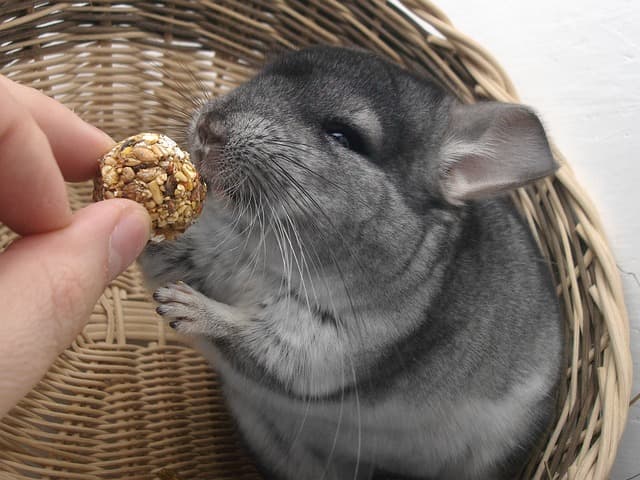
What Do Chinchillas Eat? Chinchillas eat a diet primarily of high-quality hay, supplemented with specialized pellets and occasional treats like dried herbs or safe fruits, ensuring proper nutrition and digestive health.
Providing the right diet is essential for keeping these small rodents healthy, as their digestive systems are delicate and sensitive to changes.
Understanding the Diet of Chinchillas
Chinchillas, native to the Andes Mountains of South America, have a unique diet that requires a careful balance of fiber and nutrients. Their natural diet consists mainly of grasses and roughage, which they have adapted to over time. To replicate this diet for pet chinchillas, hay and pellets are the primary foods, with limited treats to prevent digestive upset.
Hay: The Essential Component of a Chinchilla’s Diet
Hay is the most crucial part of a chinchilla’s diet, providing the necessary fiber for their digestive system and helping to wear down their ever-growing teeth.
- Types of hay: The best choices are timothy hay, orchard grass, and meadow hay, as they are high in fiber and low in calcium, which helps prevent urinary issues.
- How much to feed: Chinchillas should have unlimited access to fresh hay at all times to keep their digestion smooth and prevent hairballs.
Learn more about the role of hay in rodent diets in the Wikipedia article on hay.
Dr. Laura Brown, a veterinarian specializing in exotic pets, explains, “Hay is the cornerstone of a chinchilla’s diet, providing the fiber they need to maintain gut health and keep their teeth from overgrowing. A lack of sufficient hay can
According to RSPCA, hay should make up 75-80% of a chinchilla’s diet as it helps maintain their dental and digestive health.
Pellets: Nutritional Supplementation
Pellets formulated specifically for chinchillas provide additional nutrients and ensure that your pet gets a balanced diet. These pellets are denser in vitamins and minerals compared to hay alone.
- Choosing the right pellets: Look for high-fiber, chinchilla-specific pellets that do not contain added seeds, nuts, or dried fruits, as these can be too high in fat and sugar.
- Feeding guidelines: Typically, a tablespoon of pellets per day is enough to complement their hay intake.
Dr. Emily Carter, a veterinarian specializing in small pets, advises, “Always opt for plain, high-fiber pellets for chinchillas, as those with added treats can lead to obesity and digestive issues. A diet high in fiber helps to keep their digestive tract moving smoothly.”
Water: Essential for Hydration
Chinchillas need constant access to fresh, clean water. A water bottle is generally better than a bowl to prevent contamination from bedding or food.
- Water quality: Use filtered or bottled water to avoid any chemicals that might be present in tap water, such as chlorine, which can upset their sensitive systems.
- Changing the water: Refill the water bottle daily and clean it thoroughly to prevent the growth of bacteria.
Dr. Steven Richards, an exotic animal specialist, emphasizes, “Chinchillas are very sensitive to water quality. Clean, fresh water is crucial to prevent dehydration, especially since they originate from dry climates where water sources are limited.”
Treats: Occasional Indulgence
While hay and pellets form the foundation of a chinchilla’s diet, small amounts of treats can be offered occasionally. Safe treats include dried rose hips, plain dried herbs like parsley or dandelion, and very small pieces of dried apple or raisin.
- Moderation is key: Treats should not make up more than 5-10% of a chinchilla’s diet. Overfeeding treats, especially those high in sugar, can lead to obesity and digestive problems.
- Unsafe foods to avoid: Nuts, seeds, and fresh fruits should be avoided, as they can cause digestive upset and are too rich for chinchillas.
Dr. Michael Hughes, a small mammal vet, states, “Chinchillas have a sweet tooth, but too many sugary treats can disrupt their gut flora. Stick to high-fiber options like dried herbs or flowers to keep their diet balanced.”
PetMD emphasizes that treats should be given sparingly to chinchillas, as their delicate digestive systems are prone to imbalances with excess sugars and fats.
How can I tell if my Chinchilla is eating correctly?
To ensure your chinchilla is eating properly, observe its natural feeding times, typically in the early morning or late evening.
A healthy chinchilla should eat daily and pass a good amount of dry droppings.
According to experts, changes in eating or drinking habits could signal health issues, so it’s crucial to monitor their intake closely.
Dr. Carolynn Harvey, an exotic pet veterinarian, emphasizes that sudden dietary changes can upset their sensitive digestive systems, potentially leading to illness.
She advises introducing new foods slowly and consulting a vet if you notice any irregularities.
Regular vet check-ups are also key to ensuring your chinchilla’s nutritional needs are met and catching any health problems early.
Foods to Avoid When Feeding Chinchillas
Chinchillas have sensitive digestive systems, and feeding them the wrong foods can quickly lead to health issues. Here are some foods that should be avoided:
High-Sugar Foods
Chinchillas should not eat foods high in sugar, such as bananas, grapes, or other sugary fruits. These can disrupt their gut flora and lead to issues like diarrhea or bloating.
- Dried fruit caution: Even dried fruits, like raisins, should only be offered as an occasional treat due to their high sugar content.
- Symptoms of overfeeding: Watch for soft stools or a lack of appetite if too many sugary foods have been consumed.
Nuts and Seeds
While they may seem like a natural treat, nuts and seeds are high in fat and can be difficult for chinchillas to digest.
- Potential risks: High-fat foods can lead to liver problems and obesity in chinchillas, shortening their lifespan.
Fresh Vegetables and Fruits
Chinchillas should avoid fresh produce, as it contains too much moisture, which can cause bloating or diarrhea.
- Examples to avoid: Lettuce, cucumber, and other high-water content vegetables should not be given to chinchillas.
Creating a Balanced Diet for Chinchillas

Ensuring your chinchilla has a well-balanced diet is essential for its overall health and happiness.
The majority of their diet, around 75-80%, should be composed of high-quality hay, which should always be available to them.
Chinchilla-specific pellets should make up 10-15% of their daily intake, with one tablespoon per day being sufficient.
Treats should be limited to 5% of their diet and only given in small, safe amounts to avoid overfeeding.
In terms of routine care, check their hay supply and refill their water every morning and evening, ensuring they have constant access to fresh resources.
Additionally, make sure to clean their food dishes and water bottles on a weekly basis to maintain hygiene and prevent any bacterial buildup.
This routine will help keep your chinchilla thriving.
Conclusion
Chinchillas thrive on a diet rich in hay, complemented by specially formulated pellets and occasional healthy treats.
Avoid feeding them high-sugar foods, nuts, seeds, or fresh produce to prevent digestive problems.
Understanding the dietary needs of your chinchilla will help ensure they live a long, healthy life.
Always consult with a veterinarian if you are unsure about any changes to your pet’s diet.
FAQs
1. Can chinchillas eat carrots?
While carrots are safe in very small amounts, their high sugar content makes them unsuitable for regular feeding. Stick to dried herbs or flowers for treats.
2. How often should I change my chinchilla’s water?
It’s best to change your chinchilla’s water daily to ensure freshness and prevent bacterial growth.
3. Is alfalfa hay good for chinchillas?
Alfalfa hay is richer in calcium and protein, so it can be given occasionally but should not replace timothy or orchard grass as the primary hay.