Home
Home
Seasonal Wellness Overview
Each season brings new challenges for pets. Temperature changes, dietary shifts, and hidden hazards can affect a pet’s energy, appetite, and overall health. A proactive approach to seasonal wellness means checking in with your veterinarian, adjusting routines, and prioritizing preventive care. Small, consistent steps now can prevent bigger health issues later. This article provides a veterinary-approved, year-round framework to keep pets thriving through spring, summer, fall, and winter.
Think of seasonal wellness as a balanced mix of activity, nutrition, grooming, and environmental safety. When you align these elements with your pet’s age, breed, and medical history, you set up a happier, healthier year for your furry friend. By planning ahead for seasonal shifts and communicating with your veterinarian, you can tailor tips to your pet’s unique needs.

Seasonal Feeding and Hydration
Weather changes influence thirst, appetite, and digestion. Always provide fresh water and monitor drinking patterns. In hot weather, pets may need more water than usual and shorter, more frequent exercise sessions to prevent overheating. In cooler months, ensure hydration remains a priority as appetite and activity levels can fluctuate.
Seasonal treats can be a healthy addition when offered in moderation. If you are curious about safe human foods, consider checking with your vet for guidance. For example, some owners find making treats at home rewarding, but it should be done with pet-specific recipes and portion control. Always avoid toxic foods and consult your vet before introducing new items, particularly for pets with chronic conditions.
When introducing new foods, do it gradually and watch for signs of intolerance such as vomiting, gas, or diarrhea. Keep a simple log of what your pet eats and any reactions. If you notice persistent symptoms, call your veterinarian for guidance. Seasonal changes can also affect digestion, so monitor stool patterns and weight closely during transitions.
Seasonal Vaccinations and Vet Visits
Annual or semi-annual wellness visits keep vaccines up to date and help catch problems early. Your vet will tailor a plan based on risk factors like age, lifestyle, and exposure to other animals. Seasonal checkups can also include dental assessments, weight management, and parasite prevention. Regular visits are a chance to review medications, dietary needs, and activity goals as the seasons shift.
Rodent, bird, or exotic pets have species-specific needs. If you share your home with multiple species, you might need a staggered care plan to minimize stress and optimize preventive care. Regular dental checks, nail trims, and coat care support overall comfort and health year round. Work with a veterinarian who understands each species in your household to ensure coordinated care.
Allergies, Skin, and Coat Health Across Seasons
Allergies aren’t just a spring issue. Seasonal triggers can flare up at different times of the year, affecting skin, ears, and coat quality. Watch for itching, redness, scabs, or hair loss. Early intervention with a vet-guided plan often prevents more serious concerns. Environmental allergens, grooming products, and dietary ingredients can all play a role, so discuss a comprehensive plan with your veterinarian.
A healthy coat isn’t just about appearance. Regular brushing removes loose fur and distributes oils, supporting skin health. Bath frequency depends on coat type and activity; your veterinarian can recommend a routine that suits your pet’s needs. In seasons with heavy shedding, more frequent brushing and cleaning can reduce hair ingestion and skin irritation.
Grooming and Hygiene as the Year Turns
Seasonal grooming ties directly to comfort and skin integrity. Shorter coats in warmer months can require more frequent baths and protective skin care, while cooler seasons benefit from moisture-rich conditioners to prevent dryness. Be mindful of sensitive areas, including paws, which can collect salt on sidewalks or ice melt products in winter. Check between toes for irritation after winter walks and rinse off residues after outdoor time.
Clean living spaces reduce allergen exposure. Regular vacuuming, washing pet bowls, and changing litter or bedding more frequently during high-shed seasons can improve indoor air quality and reduce respiratory irritation for both pets and humans. Consider washing pet beds and blankets in hot water periodically to minimize dust mites and allergens.
Seasonal Exercise and Safety
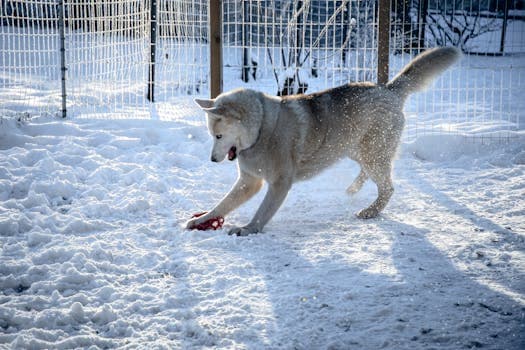
Exercise should adapt to daylight hours and outdoor conditions. In winter, consider shorter, more frequent walks with protective gear like booties and a weather-appropriate coat. In summer, exercise earlier in the morning or later in the evening helps avoid peak heat. If you have a yard, ensure fencing is secure and supervise outdoor play to prevent escape or injury.
Always assess the environment for safety hazards specific to the season. Outdoor hazards shift with weather; for example, holiday decorations pose ingestion risks, and frostbite can occur on exposed paws in freezing temperatures. Protective gear and routine safety checks before outings keep adventures healthy and fun. Keep seasonal items like antifreeze, de-icer, and toxic plants out of reach and educate family members about pet-proofing strategies.
Heat, Cold, and Humidity: Managing Temperature Extremes
Extreme temperatures stress pets. Heat stroke signs include excessive panting, drooling, lethargy, and collapse. If you suspect heat stroke, move your pet to a cool area and offer water, then seek veterinary care immediately. In cold weather, provide warmth without overbundling, which can cause overheating or restricted movement. Never leave pets in a parked car, even for a few minutes, as temperatures can escalate quickly.
Humidity affects skin and respiratory comfort, particularly for brachycephalic breeds with breathing difficulties. If humidity is high, limit intense exercise and ensure access to shade and ventilation. Regularly check paws for cracking and cracking can be a sign of dehydration or exposure to harsh elements. In humid conditions, monitor for heat-related stress and adjust activity levels accordingly.
Seasonal Safety for Special Diets and Conditions
Pets with chronic conditions such as diabetes, kidney disease, or allergies require tailored seasonal plans. Temperature shifts can influence appetite and medication needs. Always keep a consistent dosing schedule, use a labeled pill organizer, and review any seasonal foods or treats with your vet. Changes in activity and appetite during seasonal transitions may affect appetite-regulating medications or insulin requirements, so regular monitoring is essential.

For rabbits and other small mammals, seasonal care includes ensuring a stable environment with appropriate bedding and heat sources. If you keep a rabbit, consult guidelines about safe greens and treats that fit the season. You can explore content on safe greens like mint and other yard treats by visiting resources such as bunny mint guidance. Ensure housing remains well-ventilated and free from drafts, and adjust bedding to stay dry and comfortable as temperatures fluctuate.
Seasonal Stress Reduction and Mental Wellbeing
Dogs and cats can sense seasonal changes in routine. Sudden changes in daylight, holidays, and travel can stress pets. Create a predictable schedule with regular meals, exercise, and quiet time. Enrichment toys and training sessions help maintain mental stimulation during transitions. Consider gradual exposure to new environments or routines to minimize anxiety.
Resilience grows from routine and companionship. Short, daily bonding activities strengthen trust and reduce anxiety. If you notice behavioral changes that persist, discuss them with your veterinarian or a veterinary behaviorist to craft a plan tailored to your pet. Behavioral considerations can vary by season, so address mood shifts and stress signals promptly.
Parasite Prevention Through the Seasons
Parasites adapt to seasons too. Fleas, ticks, and intestinal parasites have varying activity patterns. A year-round prevention plan often yields the best protection, with adjustments for travel, outdoor time, and regional climate. Your vet can help determine the right preventives and timing for your area. Don’t skip parasite prevention during seasons perceived as lower risk; some parasites remain active year-round or appear in unexpected weather windows.
Sanitation, grooming, and yard maintenance are part of parasite control. Regularly treat outdoor spaces, trim grass where possible, and check your pet after outdoor activities, especially after playing in tall grass or wooded areas. Clean pet bedding and washing equipment helps reduce parasite exposure and maintain a healthier living space.
Travel, Vacation, and Seasonal Breaks
Travel adds stress and risk. Whether you’re heading to a cabin, beach, or relatives’ home, plan in advance for pet-friendly accommodations, transportation rules, and emergency contact details. Ensure identification is up to date and consider a microchip if your pet isn’t already implanted. Pack a pet first-aid kit and copies of medical records, especially if traveling across state or country lines.
Prepare a seasonal travel kit with medications, a copy of medical records, favorite foods, and familiar toys. If you have questions about what to bring, your veterinarian can provide a personalized checklist based on your destination and planned activities. Always have a plan for unexpected weather changes or delays, and know where to access emergency veterinary care at your destination.
Seasonal Resources and Planning Toolkit
A practical seasonal toolkit helps you stay organized. Include a calendar for vet visits, a log for feeding and medications, and a stock list for essentials like flea and tick preventives, grooming supplies, and disaster readiness items. Keeping everything in one place reduces last-minute stress and supports responsible pet ownership. Consider digital backups of critical information for easy access when away from home.
Seasonal Wellness Checklist
Use a simple, repeatable checklist to stay on track. Regularly review it with your veterinarian to ensure it reflects your pet’s current needs and any seasonal risks in your region.
- Hydration: fresh water access and monitoring
- Nutrition: seasonal adjustments and safe treats
- Vaccinations and preventive care: up-to-date timing
- Grooming: coat care and skin checks
- Exercise: temperature-aware routines
- Safety: seasonal hazards and home environment checks
- Parasite prevention: year-round strategy
- Stress management: routine and enrichment
Interacting With Other Species
Household harmony matters for seasonal wellness. If you share your home with other pets, introduce seasonal changes gradually to minimize stress. Monitor for changes in appetite, activity, or mood when new foods or treats are introduced. Maintain separate resources when needed to reduce competition and stress among pets.
For rabbits and other small mammals, seasonal safety extends to enclosure temperature, humidity, and ventilation. If you have questions about safe greens or seasonal foods for rabbits, check resources such as onion safety for rabbits and related guides for plant-safe options.
Closing Thoughts on Seasonal Wellness
Seasonal wellness isn’t a one-time plan. It’s a set of habits that evolve with the weather and your pet’s life stage. Regular veterinary check-ins, mindful feeding, and a calm, stimulating environment create a foundation for enduring health and happiness. By staying proactive and adaptable, you can help your pet thrive in every season.
If you want practical ideas about safe seasonally appropriate foods, you can explore safe treat ideas for dogs and more, all backed by veterinary guidance. And remember, your veterinarian is the best resource for customization based on your pet’s unique needs. This ongoing partnership supports long-term health and quality of life for your companion.