 Home
Home
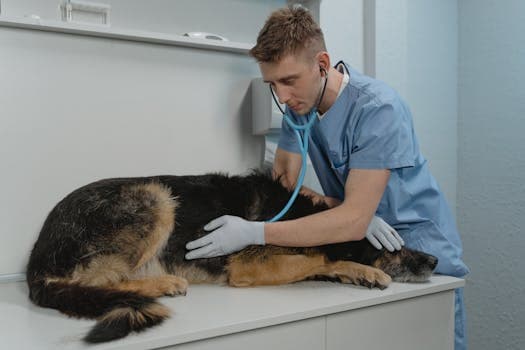
Introduction You want to keep your furry friend healthy and happy yet routine health checks can feel daunting This guide shows simple vet checkup routines you can use at home with professional reassurance and clear steps You will learn practical how to tips and friendly practices that protect your pets health while fitting into a busy schedule
What is a vet checkup is a routine examination performed by a veterinarian to detect disease prevent illness and monitor overall wellbeing It helps catch issues early and supports long term quality of life For most pets it combines a physical exam vaccination review and discussion of behavior appetite and energy levels This article uses plain language and actionable steps you can start today
Why routine checkups matter for all pets
Regular vet visits are essential because pets cannot tell us when something is wrong Early signs like subtle weight change dull coat or less activity can indicate underlying problems Routine visits also support parasite control dental health and preventive care that lowers medical costs over time

What to expect during a typical vet checkup
A standard visit includes a physical exam blood pressure heart rate and respiratory assessments weight and body condition vaccination review and a discussion about diet exercise and behavior If needed the veterinarian may perform vaccines dental cleaning microchip check and laboratory tests For new pets a first wellness exam sets a baseline for future care Your questions are welcome during every step
How to prepare your pet for a checkup
Preparation reduces stress and ensures accurate results Start with a short car ride practice and a calm environment Use a well fitting collar or harness and a secure carrier Introduce your pet to the carrier weeks before the appointment Bring a current list of medications and any behavioral concerns Note any changes in eating drinking urination or stool to discuss with the vet
How to create a home routine that mirrors a vet visit
Three simple steps help you evaluate health at home Step one monitor weight and body condition with a simple counting method for ribs and waist Step two check coat skin ears eyes and nose for signs of irritation parasites or infection Step three track appetite energy and bathroom habits for trends over time Consistency is key and keeping notes makes visits more productive
What to ask your vet during each checkup
Ask about vaccination schedules parasite prevention dental care weight goals and nutrition tailored to age and activity If you have a senior pet inquire about screenings for thyroid function kidney health or joint issues If your pet has a chronic condition request a simple care plan with milestones and home monitoring tips

Frequently overlooked but important checks
Dental health matters every year not just when teeth hurt Early dental disease can lead to heart and kidney problems Even small changes in weight or thirst can signal disease Regular ear cleaning and nail trimming reduce discomfort and infection Risks vary by species and breed so discuss prevention with your vet
How to handle a stressful vet visit
Choose a calm time level with your pets routine and bring familiar items such as a blanket or toy Use calming treats and gentle vocal cues during the visit If the pet is highly anxious talk to the clinic about pre visit medications or comfort avenues A positive association with the vet improves care in the long term
Five practical tips you can start this week
- Schedule a wellness check with your veterinarian and confirm a vaccination plan
- Track weight energy and appetite for 14 days with a simple journal
- Prepare a prioritized list of questions before your appointment
- Practice carrier or car rides to reduce travel stress
- Establish a home dental care routine with brushing and dental chews
FAQ for pet owners
Q1 What is a wellness checkup A wellness checkup is a routine veterinary examination that assesses overall health and preventive care goals
Q2 How often should a pet see a vet Most healthy adult pets should have a checkup at least once a year and seniors or those with health concerns may need every six months
Q3 What home data should I track for my pet Weight appetite energy bathroom habits coat condition behavior and hydration are key indicators
Conclusion and action plan
Protecting your pals health starts with simple vet checkup routines that fit into daily life You can prepare your pet for visits build a home monitoring system and ask clear questions at each appointment Acting on these steps helps catch issues early improve comfort and extend life Start your wellbeing plan today by scheduling a wellness visit and setting up your home tracking journal for the next 30 days






