 Home
Home
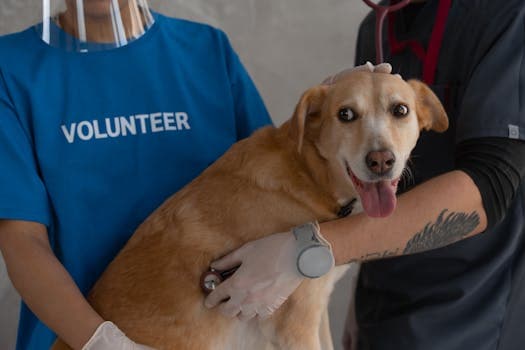
Introduction: Why Routine Vet Checks Matter to Every Pet Owner
You want a dog that thrives, not just survives. Routine veterinary checks are the frontline of preventing illness, catching problems early, and keeping your canine companion happy. This article explains what routine vet checks are, why they are essential, and how you can make them part of a simple, family friendly care plan. You will learn practical steps, realistic timelines, and smart questions to ask at each visit to maximize your dog s health and longevity.
What Are Routine Vet Checks and Are They Really Necessary
Routine vet checks are regular examinations conducted by a licensed veterinarian to monitor your dog s overall health. They include physical exams, preventive care, vaccination reviews, dental checks, weight assessment, and tailored guidance based on age, breed, and risk factors. These visits are necessary because dogs cannot communicate subtle health problems as clearly as humans. Early detection through annual or semi annual exams can prevent costly, invasive treatments later. Regular checks also help track health trends over time, making it easier to notice deviations from your dog s normal state.

How Often Should Your Dog Visit the Veterinarian
The frequency of visits depends on age and health status. Puppies typically need vaccines and early wellness checks every two to four weeks during growth, with a final round at around four to six months. Adult dogs usually benefit from annual wellness visits, while senior dogs or those with chronic conditions may require two visits per year or more. Special cases such as recent surgeries, new medications, or spontaneous weight changes should prompt a vet visit sooner. Scheduling a yearly calendar reminder helps keep these critical appointments consistent.
Key Components of a Routine Vet Check
During a standard wellness visit, veterinarians focus on several core areas to build a complete health profile for your dog. These components help identify risks early and guide preventive care. Here are the main elements to expect and why they matter:
- Physical Exam A head to tail check assesses eyes, ears, mouth, teeth, skin, coat, abdomen, joints, heart, and lungs. Small clues, like a subtle limp or a loose tooth, can indicate bigger issues if caught early.
- Vaccination Review Vaccines protect against common infectious diseases. The vet verifies which vaccines are up to date and when to booster them based on age and exposure risk.
- Weight and Body Condition A healthy body weight supports energy, mobility, and organ function. Weight trends help tailor diet adjustments or exercise plans.
- Dental Health Dental disease is common and often silent. A check includes assessment of gums, tartar buildup, and planning cleanings if needed.
- Laboratory Tests Routine blood work or fecal tests may be recommended, especially for senior dogs, to monitor organ function and parasite risks.
- Parasite Screen and Heartworm Prevention Regular screening and preventive medications reduce the risk of serious complications from parasites and heartworm.
- Nutrition and Weight Management The vet can tailor a feeding plan, discuss portion sizes, treats, and safe table foods for your dog, helping prevent obesity.
- Behavior and Mental Health Check Stress, anxiety, or behavior changes can signal medical problems or environmental needs that require adjustments.
What to Bring to a Routine Vet Check
Being prepared helps the visit go smoothly and ensures you do not miss important information. Bring a current list of medications and supplements, recent changes in appetite or energy, and any concerns you want addressed. You may also bring recent vet records from other clinics if you have moved or changed veterinarians. A quick family note about the dog s daily routine, exercise, and environment can help the vet tailor advice to your living situation.
Age Based Wellness Plans: Puppy to Senior
Wellness needs evolve as dogs age. A structured plan provides clarity and keeps preventive care consistent. Here is concise guidance for different life stages:
- Puppies (8 weeks to 6 months) Frequent visits for vaccination series, a puppy wellness check, deworming, and microchipping discussion. Socialization guidance and training tips are often covered during these visits.
- Young Adults (1 to 3 years) Annual wellness visits focused on growth milestones, dental care, and a preventive plan including vaccines and parasite control.
- Adults (4 to 7 years) Annual checks with weight management, dental health, vaccine reviews, and early screening tests based on breed risk factors.
- Seniors (7+ years) Bi annual visits offered to monitor chronic conditions, organ function, and mobility. Geriatric screenings help detect age related changes early.
How Routine Vet Checks Help with Common Dog Health Problems
Regular veterinary visits play a pivotal role in preventing and managing common canine health issues. Here are examples of how routine checks help and what to watch for at home:
- Dental Disease Early detection through oral exams helps prevent tooth loss and reduces the risk of systemic problems like heart and kidney disease linked to poor dental health.
- Obesity Weight management programs started during routine visits help maintain energy, mobility, and overall health, reducing risk of diabetes and arthritis.
- Parasites Regular screening and preventive medications protect against intestinal worms and heartworm, which can be life threatening if untreated.
- Skin and Coat Problems Early skin conditions are easier to treat and can prevent severe allergies or infections from developing.
- Chronic Conditions Early detection of conditions like diabetes, thyroid imbalances, and kidney disease allows timely management and improved quality of life.
Diet, Exercise, and Preventive Care: A Holistic Approach
Routine veterinary checks are part of a broader health plan that includes diet, exercise, and preventive care. A practical approach combines professional guidance with home routines that fit your daily life. Start with a simple framework and then adjust as your dog grows and changes. For example, schedule daily walks that match your dog s energy level, provide dental care like brushing or dental chews, and implement a measured feeding plan. Your veterinarian can help fine tune portions and adjust activity levels as needed.
Vaccinations: What to Expect at a Routine Check
Vaccination protocols vary by country, region, and risk factors. At a routine check, your veterinarian will review the vaccine schedule and update as needed. Core vaccines for dogs generally protect against the most serious diseases, while non core vaccines are considered based on exposure risk. The vet will also explain potential side effects and when to return for boosters. Keeping vaccinations up to date is a cornerstone of preventive care and helps maintain community health in addition to protecting your dog.
Dental Care: A Critical Part of Vet Visits
Dental health is often overlooked, yet it has a direct impact on your dog s overall well being. Routine checks include an assessment of mouth health, and the vet may recommend professional cleaning if needed. Home dental care, such as brushing, dental chews, and water additives, can significantly reduce tartar buildup and gingivitis when used consistently. Ask your vet for a dental care plan tailored to your dog s needs and age.

Managing Chronic Conditions Through Regular Checkups
Chronic conditions require ongoing monitoring. Your vet may propose regular blood work, urine tests, or imaging to track disease progression. Establishing a baseline health profile helps detect changes early and guides adjustments in medications, diet, and activity. If your dog has a known condition, keep a medication list, note any side effects, and track symptom changes between visits to share with your veterinarian.
Engaging Your Dog During the Visit: Reducing Stress and Improving Outcomes
Many dogs experience stress during veterinary visits. You can reduce anxiety by acclimating your dog to handling, bringing familiar blankets or toys, and using positive reinforcement. Short, positive training sessions that pair vet related handling with treats can help your dog become more comfortable over time. A calm, confident owner helps communicate effectively with the vet and makes the checkup smoother for everyone involved.
Practical Tips for Before, During, and After the Appointment
Effective routines around checkups include a few simple steps. Before the appointment, write down questions and update your dog s medical history. During the visit, listen to the vet s explanations and take notes. After the visit, implement any new care instructions and schedule the next wellness visit. Keeping a small health log at home helps you notice trends and prepare for the next appointment.
Common Myths About Vet Visits Debunked
Several misconceptions can deter owners from seeking routine care. Myths such as routine checks being unnecessary for healthy dogs, vaccines being risky, or dental care being optional can lead to avoidable health problems. In reality, preventive care saves money in the long run, vaccines are widely studied for safety, and dental health is essential for longevity. A well informed owner makes better decisions for their dog s wellbeing.
How to Build a Routine Vet Check Schedule That Fits Your Family
The key to success is consistency and simplicity. Start by mapping a yearly plan: at minimum, schedule one wellness visit annually for adult dogs and two visits for senior dogs or those with chronic conditions. Use a shared family calendar and set reminders. If you have multiple dogs, you can coordinate visits to optimize travel time and reduce stress for your pets. Over time, routine checks become a predictable part of your dog s life, not a reaction to illness.
What If You Cannot Afford Frequent Vet Visits
Financial constraints are common, but you can still prioritize health. Discuss preventive care packages with your veterinary practice, explore pet insurance options, or set up a medical savings fund. Some clinics offer wellness plans that bundle vaccines, exams, and routine testing at a reduced rate. Prioritizing preventative care often reduces the risk of expensive emergency interventions later.
Choosing the Right Veterinarian and Clinic
Not all clinics are the same. Consider factors such as location, hours, staff experience, communication style, and the availability of emergency services. Reading reviews, touring the facility, and meeting the team can help you gauge whether the clinic aligns with your dog s needs and your family s expectations. A good relationship with your veterinarian makes routine checks more effective and enjoyable for everyone involved.
How to Incorporate Internal Links Naturally
During your routine checks, you may encounter topics where a quick resource can add value. For example, when discussing dental care, a natural link to a practical guide on how to clean a dog wound or how to get a dog to drink water may be relevant in the broader wellness context. The aim is to integrate links in a way that supports reader learning without interrupting the flow or appearing forced.
Conclusion: Taking Control of Your Dog S Health with Routine Vet Checks
Routine vet checks are an essential pillar of pet health that protect your dog today and for years to come. By understanding what occurs during visits, how often to schedule them, and how to personalize care for your dog s age and lifestyle, you empower yourself to prevent illness, detect problems early, and maintain optimal well being. Start today by marking a yearly wellness visit on your calendar and planning the next steps with your veterinarian. Your dog will thank you with more energy, happier days, and a longer, healthier life.






