Home
Home
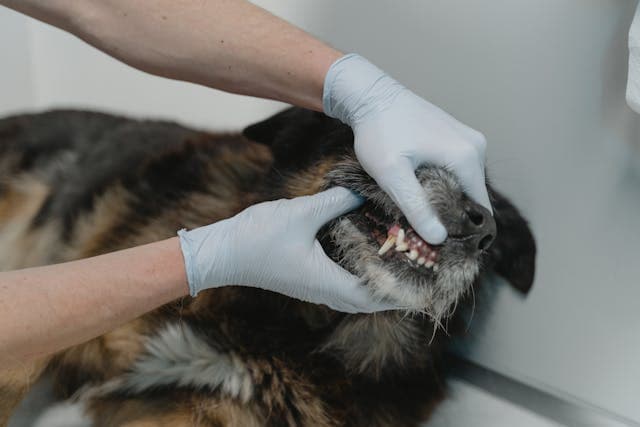
How to Brush a Dog’s Teeth? To brush a dog’s teeth, use a dog-specific toothbrush and toothpaste, gently brush in circular motions, and make it a positive experience with treats and praise.
Regular brushing is essential for maintaining your dog’s dental hygiene and overall health.
Why Brushing Your Dog’s Teeth is Important
- Prevents Dental Diseases: Regular brushing helps prevent dental diseases such as gingivitis and periodontitis by removing plaque and tartar buildup. Dental diseases can lead to tooth loss and serious health issues if left untreated.
- Freshens Breath: Consistent brushing keeps your dog’s breath fresh by removing food particles and bacteria that cause bad breath.
- Improves Overall Health: Good dental hygiene contributes to your dog’s overall health. Poor oral health can lead to infections that may spread to vital organs, such as the heart and kidneys.
Learn more about periodontal disease and its effects on pet health.
Supplies You Need
- Choosing the Right Toothbrush: Select a toothbrush designed for dogs, which usually has softer bristles and is angled to reach all areas of your dog’s mouth. A finger brush can be used for better control, especially for smaller dogs.
- Selecting Dog-Safe Toothpaste: Use toothpaste specifically formulated for dogs. Human toothpaste can be toxic to dogs due to ingredients like xylitol, which is harmful to pets.
Steps to Brush Your Dog’s Teeth
- Introduce the Toothbrush: Let your dog get used to the toothbrush by allowing them to sniff and lick it. You can also put a small amount of dog toothpaste on your finger and let your dog taste it to become familiar with the flavor.
- Find a Comfortable Position: Position your dog comfortably, either sitting or standing, where you have good access to their mouth. You might find it easier to brush your dog’s teeth when they are relaxed or slightly tired.
- Lift the Lip: Gently lift your dog’s lip to expose their teeth and gums. Start with the front teeth and gradually move towards the back.
- Brush Gently: Apply a small amount of dog toothpaste to the toothbrush. Brush in small circular motions, covering the outer surfaces of the teeth. Pay special attention to the gum line where plaque tends to accumulate.
- Be Patient and Gentle: Brush a few teeth at a time, especially if your dog is new to the experience. Gradually increase the number of teeth you brush as your dog becomes more comfortable.
- Reward and Praise: After brushing, reward your dog with treats and praise to create a positive association with toothbrushing. This helps ensure they are more cooperative in the future.
How Often Should You Brush Your Dog’s Teeth?
Ideally, brush your dog’s teeth daily. If daily brushing is not feasible, aim for at least three times a week to maintain good dental hygiene.
If you notice bad breath, yellow or brown teeth, or red and swollen gums, your dog might need more frequent brushing or a dental checkup.
Additional Tips for Brushing Your Dog’s Teeth

- Start Young: Begin brushing your dog’s teeth when they are a puppy to get them accustomed to the process early on. This makes it easier to maintain their dental hygiene throughout their life.
- Use Dental Chews and Toys: Supplement brushing with dental chews and toys designed to clean your dog’s teeth and massage their gums.
- Regular Vet Checkups: Schedule regular veterinary checkups to monitor your dog’s dental health and address any issues early.
Learn more about dental chews and their benefits for dogs.
Conclusion
Regularly brushing your dog’s teeth is crucial for their dental health and overall well-being.
By following these steps and incorporating good dental hygiene practices, you can help ensure your dog maintains healthy teeth and gums.