Home
Home
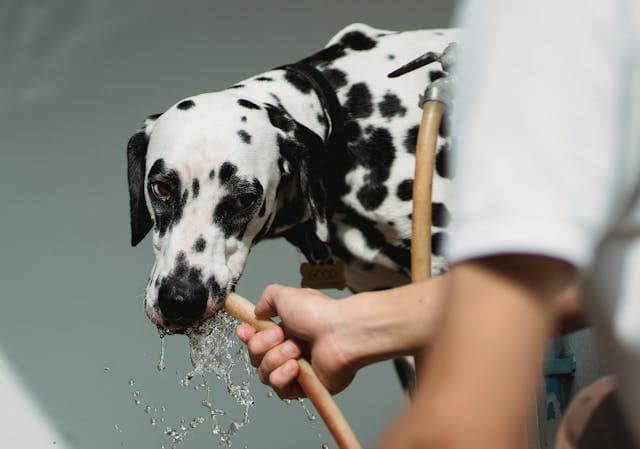
Have you ever wondered how long a dog can go without water? Proper hydration is crucial for dogs’ health and well-being.
Water is essential for various bodily functions in dogs, including digestion, circulation, temperature regulation, and waste removal.
Adequate hydration helps maintain healthy organs, joints, and tissues, ensuring overall well-being.
Hydration and Nutrition
Proper hydration is closely linked to nutrition in dogs. Water helps facilitate the absorption of nutrients from food, supports metabolic processes, and aids in the digestion of nutrients.
Without enough water, dogs may experience digestive issues and nutrient deficiencies.
How Long Can a Dog Go Without Water: Factors Affecting Water Needs
Several factors influence how long a dog can go without water, including:
- Size and Breed: Larger dogs generally need more water than smaller breeds due to their size and metabolism.
- Activity Level: Active dogs or those exposed to hot weather may require more water to stay hydrated.
- Health Conditions: Certain health conditions, such as kidney disease or diabetes, can increase a dog’s water needs.
General Guidelines
On average, a healthy adult dog can survive for about three to five days without water, depending on various factors.
However, prolonged dehydration can lead to serious health problems, including organ damage and even death.
Signs of Dehydration in Dogs
Recognizing the signs of dehydration in dogs is crucial for ensuring their health and well-being. Here’s a closer look at each of these indicators:
- Excessive Thirst: One of the most obvious signs of dehydration is increased thirst. If your dog is constantly seeking out water or drinking larger amounts than usual, it may be a sign that they are dehydrated.
- Dry, Sticky Gums: Healthy dogs typically have moist gums. Dry or sticky gums can indicate dehydration. You can check your dog’s gums by gently lifting their lip and pressing a finger against their gums. If the gums feel dry instead of moist and slick, it may suggest dehydration.
- Sunken Eyes: Dehydration can cause a dog’s eyes to appear sunken or hollow. Normally, a dog’s eyes are bright and full. If you notice that your dog’s eyes look sunken or unusually dull, it could be a sign of dehydration.
- Lethargy: Dehydrated dogs often show signs of lethargy or decreased energy levels. They may seem more tired or sluggish than usual, with less interest in activities they normally enjoy. Lethargy can be a general indicator of illness, but when combined with other signs of dehydration, it’s essential to consider hydration levels.
- Loss of Appetite: A decrease in appetite can be another indication of dehydration in dogs. If your dog is not interested in eating or shows a significant decrease in their food intake, it may be due to dehydration. Dehydration can affect a dog’s digestive system, leading to a lack of appetite.
- Dark-Colored Urine: Monitoring your dog’s urine can provide valuable insights into their hydration status. Dark-colored urine, particularly urine that appears concentrated or darker than usual, can be a sign of dehydration. In contrast, well-hydrated dogs typically produce urine that is light yellow in color.
It’s essential to note that these signs can vary in severity depending on the degree of dehydration and other factors such as age, overall health, and environmental conditions.
If you suspect that your dog is dehydrated based on these signs, it’s essential to take prompt action.
Offering small amounts of water, providing a cool environment, and seeking veterinary attention if necessary can help address dehydration and prevent further complications.
If you suspect your dog is dehydrated, seek veterinary attention immediately.
Tips for Ensuring Proper Hydration
To keep your dog hydrated and healthy:
- Provide Fresh Water: Always ensure your dog has access to clean, fresh water at all times, especially during hot weather or after physical activity.
- Monitor Water Intake: Pay attention to how much water your dog drinks daily and seek veterinary advice if you notice any significant changes in their drinking habits.
- Add Water to Food: Mixing water with your dog’s food can help increase their water intake, especially for dogs who are reluctant to drink water on its own.
- Offer Hydrating Treats: Incorporate hydrating treats like frozen fruit or homemade broth ice cubes into your dog’s diet to encourage water consumption.
What to Give Dogs: A Guide to Balanced Nutrition

When it comes to providing for our furry companions, it’s essential to offer them a balanced and nutritious diet that meets their specific dietary needs. Here’s a guide on what to give to dogs to ensure their health and well-being:
- High-Quality Dog Food: Choose a high-quality commercial dog food that is appropriate for your dog’s age, size, and activity level. Look for brands that meet the nutritional standards set by organizations like the Association of American Feed Control Officials (AAFCO).
- Protein: Dogs require protein for muscle development, maintenance, and overall health. Ensure that their diet includes high-quality sources of protein, such as meat, poultry, fish, or plant-based proteins like beans and lentils.
- Healthy Carbohydrates: Carbohydrates provide dogs with energy and fiber. Opt for whole grains like brown rice, oats, and barley, as well as vegetables like sweet potatoes, peas, and carrots to provide essential nutrients and fiber.
- Fruits and Vegetables: Incorporate a variety of fruits and vegetables into your dog’s diet to provide vitamins, minerals, and antioxidants. Safe options include apples, bananas, blueberries, carrots, and green beans. Avoid feeding dogs grapes, raisins, onions, garlic, and avocado, as these can be toxic to dogs.
- Healthy Fats: Fats are essential for maintaining healthy skin and coat, as well as supporting various bodily functions. Include sources of healthy fats in your dog’s diet, such as fish oil, flaxseed oil, and small amounts of olive or coconut oil.
- Supplements: Depending on your dog’s specific needs, supplements may be beneficial. Common supplements for dogs include omega-3 fatty acids for joint health, glucosamine and chondroitin for joint support, and probiotics for digestive health. However, it’s essential to consult with your veterinarian before introducing any supplements to your dog’s diet.
- Fresh Water: Always provide your dog with access to clean, fresh water at all times. Proper hydration is essential for their overall health and well-being.
- Treats in Moderation: While treats can be a fun way to reward your dog, it’s essential to offer them in moderation and choose healthy options. Look for treats made with natural ingredients and avoid those high in added sugars, fats, and artificial preservatives.
Conclusion
Water is essential for dogs’ health, and proper hydration is crucial for their well-being.
While dogs can survive for a few days without water, it’s vital to ensure they have access to fresh water at all times to prevent dehydration and maintain optimal health.
By understanding your dog’s hydration needs and taking proactive measures to keep them hydrated, you can help ensure a happy, healthy life for your canine companion.
Remember, a well-hydrated dog is a healthy dog. Prioritize their hydration needs for a vibrant and active life.