 Home
Home
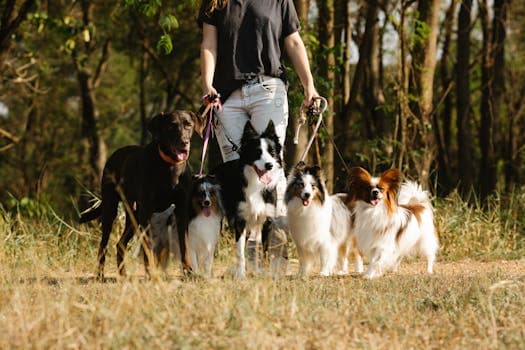
Why Immunity and Energy Matter in Dogs
A strong immune system helps your dog fend off everyday illnesses and recover faster from minor infections. Energy levels influence daily activities, mood, and trainability. When both are balanced, your pup enjoys a happier, healthier life.
Healthy habits aren’t about a single miracle intervention. They’re about steady routines, smart nutrition, regular checkups, and safe endurance workouts. Small daily choices add up to lasting benefits for your dog’s immune health and vitality.

Foundations of Immunity: Nutrition, Sleep, and Stress Management
Nutrition provides the raw materials the immune system uses to function. A balanced diet tailored to your dog’s life stage, size, and health status supports white blood cells, gut health, and energy production. Pair it with consistent sleep and low-stress environments for best results.
Prioritize a diet with high-quality protein, appropriate fats, and complex carbohydrates. Include source-varied proteins to reduce allergy risk, and ensure a reliable supply of micronutrients like zinc, selenium, and vitamins A, E, and D. Always choose foods approved for dogs and consult your veterinarian before major changes.
Hydration and Digestion: The Gut-Immunity Link
Most of the immune system is housed in the gut. Adequate water intake and gut-friendly fiber support a diverse microbiome, which helps regulate inflammation and nutrient absorption. If your pup drinks water inconsistently, consider a cooled water fountain to encourage steady intake.
Introduce fiber gradually through vegetables, fruits, or specially formulated canine fiber supplements if recommended by your vet. Monitor for signs of digestive upset during dietary adjustments, such as loose stools or vomiting, and adjust accordingly.
Exercise as a Boost for Immunity and Energy
Regular, age-appropriate exercise strengthens the cardiovascular and immune systems. It also improves energy, mood, and weight management. A mix of aerobic activity and strength work helps dogs stay resilient across seasons.
Design a routine around your dog’s breed, age, and fitness level. Short, frequent sessions often work better than long, exhausting workouts. Always provide fresh water and rest periods during and after activity.
Sleep, Recovery, and Restorative Habits
Quality sleep supports immune function and cognitive health. Dogs typically sleep 12 to 14 hours a day, with variations by age and activity. A quiet, comfortable sleeping area helps your dog recover from daily stressors and workouts.
Establish a predictable routine that includes wind-down time before bedtime. Offer a cozy bed, a stable temperature, and minimal disruptions to promote restorative sleep.
Vaccination and Regular Veterinary Care
Vaccinations prime the immune system to recognize and neutralize specific pathogens. Keep up with booster schedules and annual checkups so your veterinarian can identify health issues early. Regular exams also help tailor nutrition and exercise plans to your dog’s evolving needs.
Share any changes in appetite, energy, or stool with your vet. Early intervention often means easier treatment and better outcomes for your pup.
Stress Management and Environmental Health
Chronic stress can suppress immune function. Create a stable home environment with predictable routines, safe toys, and positive reinforcement training. Consider enrichment activities that challenge the mind and reduce anxiety.
Be mindful of environmental factors such as noise, heat, and pollutants. Provide a comfortable space during extreme weather and ensure your dog isn’t exposed to allergens or irritants that trigger immune responses.

Healthy Habits: A Practical Daily Routine
Consistency is key. Build a simple daily routine that covers meals, hydration, exercise, training, play, and rest. A predictable day reduces stress and supports steady energy and immune function.
Below is a sample framework you can adapt:
- Morning: light exercise, fresh water, and a balanced breakfast
- Midday: short walk or interactive play and hydration check
- Afternoon: mental stimulation and a small, digestible snack if appropriate
- Evening: longer walk, training session, calm wind-down routine
Nutritional Strategies to Support Immunity and Energy
Focus on high-quality protein sources and a balanced fat profile. Omega-3 fatty acids from fish or supplements can support inflammatory responses and skin health. Consider a diet that includes prebiotic fibers to nourish gut bacteria and promote digestive health.
Supplement decisions should be made with a veterinarian. Some dogs benefit from probiotics or vitamin D, but excess supplementation can be harmful. Tailor supplements to your dog’s age, breed, and health status.
Common Mistakes That Undermine Immunity
Avoid rapid dietary changes, overeating treats, and inconsistent exercise. Sudden weight gain or loss can stress the body and alter immune function. Also, be cautious with household toxins and plants that are poisonous to dogs.
Special Considerations for Puppies, Seniors, and Working Dogs
Puppies need calorie-dense diets with balanced nutrients to support growth and immunity. Seniors may require easier-to-digest foods and adjusted fat and protein levels. Working dogs often burn more energy and need endurance-focused plans and frequent hydration checkpoints.
Creating a Pet-Owner Partnership for Longevity
The best immune-and-energy plan is collaborative. Work with your veterinarian to tailor a plan that considers your dog’s medical history, lifestyle, and environment. Regular monitoring helps adjust nutrition, exercise, and enrichment as needed.
FAQs: Quick Answers for Busy Owners
Q: Can certain human foods boost my dog’s immunity?
A: Some can be safe in moderation, but many human foods can be harmful. Always verify with your veterinarian before sharing foods with your dog.
Q: How much exercise does my dog need?
A: It depends on age, breed, and health. Start with shorter sessions and progressively increase duration and intensity under guidance from your vet or trainer.
Putting It All Together: A Sustainable Plan
Healthy immunity and energy come from a consistent, well-rounded lifestyle. Pair a nutrient-dense diet with regular activity, quality sleep, stress reduction, and proactive veterinary care. With time, you’ll likely notice improved vitality and a stronger, more resilient pup.






