Home
Home
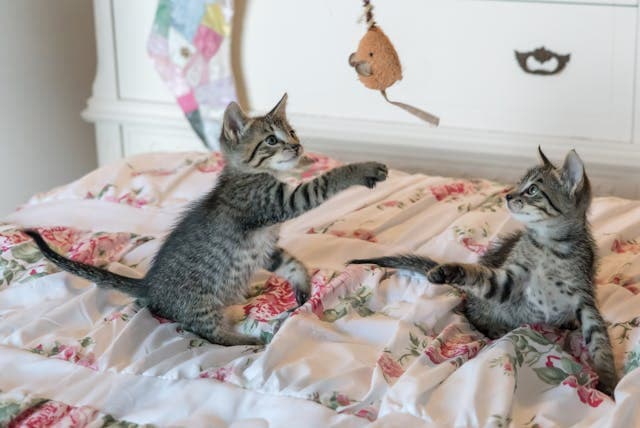
Do Cats Eat Mice? Yes, cats do eat mice and sometimes rats as part of their natural hunting instinct.
This behavior stems from their ancestral need to hunt for food, even if today’s domestic cats often hunt more for sport than sustenance.
The Natural Hunting Instinct of Cats
Cats are born with a natural predatory instinct, which drives them to hunt small animals like mice and rats.
This instinct is not only about hunger; it’s also about practice and play.
Hunting provides mental stimulation and physical exercise for cats, fulfilling an instinctual need.
Why Cats Hunt
- Instinctual Behavior: Hunting is a deeply ingrained behavior that all cats share, regardless of whether they are wild or domestic.
- Skill Development: Young cats learn hunting skills from their mothers, practicing these skills throughout their lives.
- Play and Exercise: The act of hunting is also a form of play and provides physical exercise, which is essential for a cat’s health and well-being.
Risks Associated with Eating Mice
While hunting and consuming mice is a natural behavior for cats, it comes with certain risks, especially for domestic cats.
Mice can carry parasites and diseases that can be transferred to cats upon ingestion, including:
- Toxoplasmosis: A parasite that can cause serious health issues in humans, particularly pregnant women.
- Intestinal Worms: Such as roundworms and tapeworms, which can infest a cat’s digestive system.
- Bacterial Infections: Such as salmonella, which can cause food poisoning.
- Chemical Poisoning: Mice that have ingested rodenticides may also pose a risk to cats if eaten. These poisons can transfer to the cat and cause poisoning, sometimes with fatal consequences.
Alternatives to Live Prey
For cat owners concerned about the risks associated with their pets eating mice, there are alternatives to satisfy their hunting instincts safely.
Interactive Toys

Interactive toys designed to mimic the movements of prey offer an effective way to engage cats’ natural hunting instincts in a controlled and safe environment.
These toys, which can range from motorized mice that scurry around to feather wands that flutter through the air, serve multiple purposes in the health and well-being of domestic cats.
Here’s a deeper look into the benefits and types of interactive toys for cats:
Benefits of Interactive Toys for Cats
- Mental Stimulation: Cats are intelligent animals that require mental engagement. Interactive toys challenge their hunting and problem-solving skills, keeping their minds sharp and entertained.
- Physical Exercise: Regular play with these toys helps cats stay physically active, which is crucial for maintaining a healthy weight and preventing obesity-related health issues.
- Emotional Well-being: Engaging in play that simulates hunting can reduce stress and boredom in cats, improving their overall mood and preventing behavior problems associated with lack of stimulation.
- Bonding Time: Using toys like feather wands can enhance the bond between cats and their owners, as it allows for positive interaction and shared fun.
Types of Interactive Toys
- Motorized Mice: These battery-operated toys move unpredictably, simulating the behavior of real prey and encouraging the cat to chase.
- Feather Wands: Consisting of a wand with feathers or other enticing materials attached via a string, they can be maneuvered to mimic the flight of birds.
- Laser Pointers: A small, bright dot of light moves across surfaces, engaging the cat’s chase instinct. However, it’s important to occasionally let the cat “catch” the light to avoid frustration.
- Treat Dispensers: These toys release treats as the cat plays with them, providing a reward for their hunting effort and encouraging problem-solving skills.
Feeding Practices
Providing a balanced diet that meets all of a cat’s nutritional needs can reduce their instinct to hunt for food, though it may not eliminate the behavior entirely.
Conclusion
While cats do eat mice and it’s a natural part of their behavior, it’s important for cat owners to be aware of the potential risks involved.
Encouraging play with safe, interactive toys and ensuring a balanced diet can help satisfy a cat’s hunting instincts while keeping them safe from harm.
Understanding and accommodating the natural behaviors of cats, while mitigating risks, ensures a happy and healthy life for these cherished pets.