Home
Home
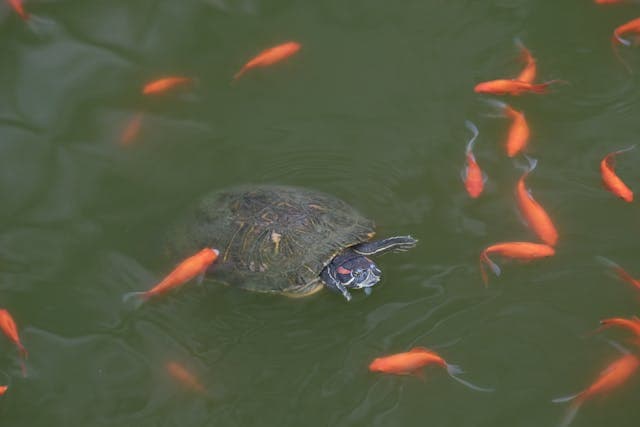
Can Turtles Eat Fish? Yes, turtles can eat fish, and it is often a healthy part of their diet, especially for species that are omnivorous or carnivorous.
Understanding Turtle Diets
Turtles have diverse dietary requirements depending on their species. Some turtles are herbivores, while others are omnivores or carnivores. Omnivorous and carnivorous turtles, in particular, benefit from including fish in their diet.
Types of Turtles and Their Dietary Needs
- Herbivorous Turtles: These turtles primarily eat plants, including leafy greens, vegetables, and fruits. Examples include tortoises.
- Omnivorous Turtles: These turtles eat both plants and meat. They require a balanced diet that includes vegetables, fruits, and proteins like insects or small fish. Examples include red-eared sliders.
- Carnivorous Turtles: These turtles primarily eat meat. They often feed on fish, insects, and small mammals. Examples include snapping turtles.
For more details on types of turtle such as turtle carnivores, turtle omnivores, and turtle herbivores, check our other articles.
Benefits of Fish in a Turtle’s Diet
Including fish in a turtle’s diet offers a range of essential nutrients that are vital for their health and growth.
Fish supplies crucial protein needed for growth and tissue repair, along with omega-3 fatty acids that play a significant role in maintaining healthy skin and shell.
Additionally, fish is rich in a variety of vitamins and minerals, which are indispensable for overall wellness, supporting immune function, and preventing nutritional deficiencies.
Feeding fish also helps diversify the diet, which is important for meeting all of a turtle’s nutritional needs.
Types of Fish Turtles Can Eat
When feeding turtles fish, it’s important to choose appropriate types that are safe and nutritious:
- Feeder Fish: Small fish like guppies or minnows are excellent for turtles.
- Goldfish: While they can be fed occasionally, they are not the best option due to their high fat content.
- Tilapia: A good source of lean protein.
- Salmon: Rich in omega-3 fatty acids but should be given in moderation due to its higher fat content.
Feeding Guidelines and Precautions
When feeding fish to turtles, consider whether to use live or frozen fish; live fish can stimulate natural hunting behaviors, while frozen fish should be thawed first.
Ensure the fish is cut into bite-sized pieces to prevent choking, especially for smaller turtles, and avoid feeding them seasoned or spiced fish. Fish should be part of a balanced diet, not the sole component.
There are risks if fish is not fed correctly: large pieces can be a choking hazard, overfeeding can lead to an unbalanced diet lacking essential nutrients, and live fish can carry parasites, so source them from reputable suppliers.
Monitor your turtle for signs of health issues when introducing fish into their diet, such as digestive problems like diarrhea or constipation, which may indicate dietary imbalances, and shell issues like softness or deformities, which can suggest nutrient deficiencies.
For more detailed information on turtle diets, refer to Wikipedia.
Safe Practices and Tips

To meet all nutritional needs, ensure your turtle’s diet includes a variety of foods, such as leafy greens like kale and collard greens, vegetables like carrots and squash, occasional fruit treats like berries or apples, and protein sources such as insects and cooked chicken.
Additionally, be cautious of toxic foods, including onions and garlic, which can cause health problems, avocado due to its harmful persin content, and rhubarb, which is highly toxic and should be avoided.
For more details on taking care of turtles and turtles’ wellness, check our other articles.
Conclusion
Fish can be a healthy and beneficial part of a turtle’s diet, especially for omnivorous and carnivorous species.
Providing a balanced diet that includes appropriate types of fish, along with a variety of greens and vegetables, ensures your turtle stays healthy and happy.
Always monitor your turtle’s health and consult with a veterinarian if you notice any issues.