Home
Home
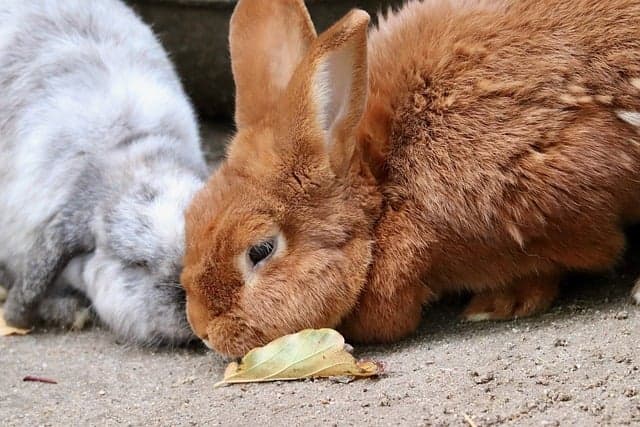
Can Rabbits Eat Mushrooms? No, rabbits should not eat mushrooms because many types of mushrooms are toxic to rabbits and can lead to serious health issues or even death.
While some mushrooms might be safe for humans, they can be harmful or fatal to rabbits, making it crucial to keep mushrooms out of your rabbit’s diet.
Why Mushrooms Are Dangerous for Rabbits
Mushrooms contain various toxins that can have severe effects on a rabbit’s health. The exact impact depends on the type of mushroom, but in general, mushrooms can cause a range of symptoms from digestive upset to more severe conditions like liver failure. Here are the following common toxins in mushrooms:
- Amanitin: Found in some wild mushrooms, this toxin can cause liver damage and is potentially fatal to rabbits.
- Muscarine: This toxin can affect the nervous system, leading to symptoms like excessive drooling, difficulty breathing, and in severe cases, death.
- Psilocybin: Known for its hallucinogenic effects in humans, this compound can be highly toxic to rabbits, leading to disorientation and potentially lethal symptoms.
For further reading on mushroom toxicity, visit Wikipedia’s page on mushroom poisoning.
Symptoms of Mushroom Poisoning in Rabbits
If a rabbit ingests a toxic mushroom, it may show symptoms rapidly, including gastrointestinal issues such as diarrhea, abdominal pain, or signs of nausea, as rabbits can’t vomit.
Neurological symptoms may also occur, such as disorientation, lethargy, or seizures.
In severe cases, poisoning can result in liver or kidney failure, which could be fatal if not addressed quickly.
What to Do if Your Rabbit Eats Mushrooms

If you suspect that your rabbit has eaten mushrooms, it’s crucial to seek veterinary assistance as soon as possible.
Prompt intervention is essential for minimizing potential harm. Your veterinarian will likely recommend administering activated charcoal to help absorb any toxins that may have been ingested.
They may also provide supportive care, such as intravenous fluids and medications, to manage symptoms and prevent further complications.
Timely treatment can significantly improve your rabbit’s chances of recovery, so do not delay in contacting a vet.
For more information on what to do in case of poisoning, visit our guide on rabbits food that needs to avoid.
Safe Alternatives to Mushrooms for Rabbits
If you’re looking for healthy treats to give your rabbit, consider offering safe vegetables and herbs that are known to be non-toxic. Rabbits enjoy a variety of leafy greens and other veggies that can provide both nutrition and enrichment. These are the following vegetables that are safe for rabbits:
- Romaine Lettuce: A crunchy and safe option for rabbits.
- Carrots: In moderation, carrots can be a sweet treat.
- Bell Peppers: These add color and variety to a rabbit’s diet without the risks associated with mushrooms.
For more ideas on healthy treats, see our about can rabbits eat carrots.
Conclusion
Mushrooms are not safe for rabbits and should be completely avoided in their diet.
The potential for toxicity is too high, and the risks far outweigh any possible benefits.
To keep your rabbit healthy and happy, stick to vegetables and herbs that are known to be safe and nutritious.
FAQs
All types of mushrooms, including those safe for humans, can be harmful to rabbits.
If your rabbit consumes a mushroom, it’s crucial to contact your veterinarian right away for guidance and possible treatment.
Currently, there are no mushrooms that are known to be safe for rabbits, so it is best to completely avoid including mushrooms in their diet to prevent any potential risks.